Nigeria’s beleaguered electricity sector received a much-needed reprieve this week as repairs to the vandalized Lagos-Escravos gas supply pipeline were completed, enabling increased power generation across the national grid, according to the Nigerian Independent System Operator.
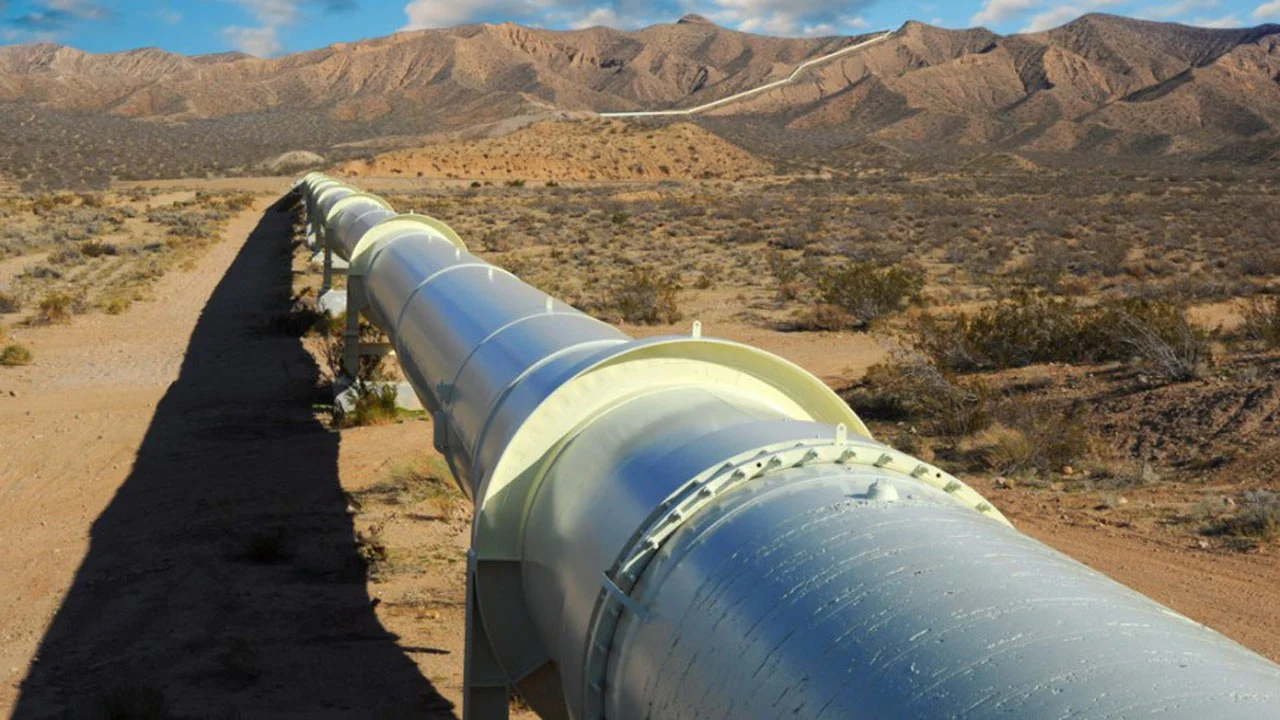
The restoration, announced Friday by NISO, represents a significant development in a country where chronic power shortages have strangled economic growth and left millions of households and businesses in darkness for years. The Lagos-Escravos pipeline serves as a critical artery feeding natural gas to several key thermal power plants that form the backbone of Nigeria’s electricity generation capacity.
“This development is a positive step towards stabilizing the electricity supply and improving grid reliability for consumers nationwide,” NISO said in its statement, highlighting the completion of repair works by the Nigeria Gas Infrastructure Company.
Rather than rushing to restore full capacity, authorities are implementing a measured approach to bringing affected power plants back online. NISO indicated that a gradual power offtake process is being executed to prevent system stress and maintain stability across both the gas network and the electricity grid.
This phased strategy aims to mitigate the risk of cascading failures—a recurring problem in Nigeria’s fragile power infrastructure—while ensuring a reliable supply to industries, businesses, and households that have endured yet another period of severe disruption.
Additional thermal power plants remain on standby, awaiting confirmation of gas supply from their respective suppliers, expected on Saturday. Once cleared, these facilities will be integrated into the national grid to bolster generation capacity further and provide additional buffer against outages.
The disruption underscores a persistent challenge facing Nigeria’s energy sector: the systematic vandalism of critical gas infrastructure. Such attacks, often carried out by criminal syndicates seeking to steal petroleum products or by militants with grievances against the government, have repeatedly crippled power generation and cost the nation billions in lost economic output.
The Lagos-Escravos pipeline vandalism had constrained gas supply to multiple power plants in recent weeks, contributing to nationwide fluctuations in electricity generation and leaving vast swaths of the country without power during a period of scorching heat.
Despite NISO’s optimistic assessment, the situation on the ground remains grim. Most parts of Nigeria continue to experience extensive blackouts, with many households and businesses relying on expensive diesel generators or simply going without electricity for extended periods.
The persistent power crisis has far-reaching consequences for Africa’s largest economy. Manufacturing facilities operate at reduced capacity, cold chain logistics for food and medicine are compromised, and small businesses struggle to survive amid soaring operational costs. The World Bank has estimated that inadequate power supply costs Nigeria approximately $29 billion annually—roughly two percent of its GDP.
NISO has urged consumers to continue practicing energy conservation as coordinated stabilization efforts progress, though such appeals offer little comfort to citizens who have grown weary of a power sector that has failed to keep pace with the nation’s needs despite decades of promised reforms.
While the restoration of the Lagos-Escravos pipeline offers temporary relief, analysts caution that Nigeria’s electricity challenges require comprehensive solutions extending far beyond infrastructure repairs. These include addressing the financial insolvency of distribution companies, improving grid management, expanding generation capacity beyond gas-fired plants, and fundamentally tackling the security challenges that enable repeated attacks on energy infrastructure.
For now, Nigerian households and businesses can only hope that this latest restoration proves more durable than past recoveries and that the lights—when they finally come back on—will stay on.
WHAT YOU SHOULD KNOW
Nigeria’s power generation has increased following repairs to the vandalized Lagos-Escravos gas pipeline, with authorities gradually bringing affected plants back online to avoid system overload. However, despite this progress, most of the country remains without electricity amid intense heat. The incident highlights Nigeria’s ongoing struggle with infrastructure vandalism and a fragile power sector that costs the economy an estimated $29 billion annually.
While the pipeline restoration offers temporary relief, the nation’s electricity crisis requires far deeper reforms beyond just fixing damaged infrastructure—including better security, grid modernization, and addressing the financial collapse of distribution companies. For ordinary Nigerians, the cycle of blackouts continues despite official announcements of improvement.