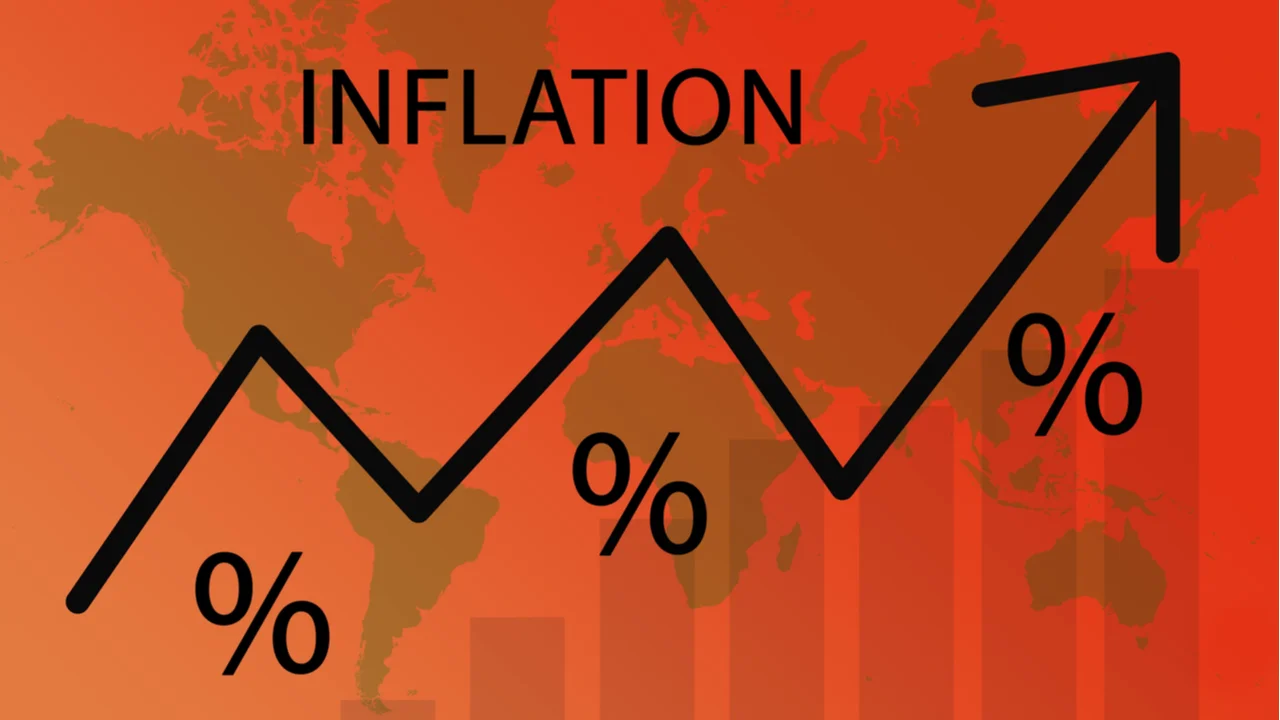
Nigeria is experiencing its most significant inflation slowdown in over a decade, with the country’s inflation rate dropping from a peak of 24.5% in January to 20.12% in August 2025, according to data from the National Bureau of Statistics and analysis by the Independent Media and Policy Initiative (IMPI).
The 17.5% reduction in the inflation rate marks what economists are calling a rare disinflationary period for Africa’s largest economy, with IMPI projecting further declines to 17% by December 2025. This would bring Nigeria close to the federal government’s ambitious 15% inflation target.
A Decade-Long Turnaround
Dr. Omoniyi Akinsiju, chairman of IMPI, emphasized the historical significance of this development, noting that 2025 stands alongside 2017 and 2018 as one of the few disinflationary years in Nigeria’s recent economic history. Unlike the period from 2020 to 2024, when inflation consistently accelerated, the current trend represents “the sharpest mid-year slowdown in over a decade.”
The policy think tank has identified three critical factors driving this inflation deceleration: the Central Bank of Nigeria’s maintenance of interest rates at 27.50%, which has cooled credit demand and speculative foreign exchange activities; improved foreign exchange stability due to increased inflows from oil revenues, remittances, and non-oil exports; and better agricultural harvests coupled with relative peace in food-producing regions, which has eased pressure on food prices.
Corporate Recovery Signals Broader Stability
The economic stabilization is reflected in corporate earnings, with seven major Nigerian companies that reported combined losses of ₦418 billion in Q1 2024 returning to profitability with combined pre-tax profits of ₦289.8 billion in Q1 2025. By Q2 2025, consumer goods companies had collectively generated approximately ₦264 billion in pre-tax profits.
This dramatic earnings reversal underscores how currency stability and improved cost management have rapidly transformed the fortunes of businesses previously battered by macroeconomic volatility following the government’s decision to float the naira.
Policy Recommendations and Future Outlook
With inflation now below the CBN’s 21% target, IMPI is calling for monetary policy adjustments, recommending that the Monetary Policy Committee reduce the benchmark rate by at least 50 basis points at its next meeting, with potential cuts of up to 200 basis points by December 2025. The think tank also suggests lowering the cash reserve ratio from 50% to 35% to increase liquidity in the banking system.
Such measures, IMPI argues, would reduce production costs, facilitate business expansion, and create jobs through cheaper credit and increased cash availability for banks to fulfill their financial intermediation roles.
The sustained disinflation trend has drawn positive attention from both domestic and international observers, signaling a potential turning point for Nigeria’s economy after years of persistent inflationary pressures. However, the sustainability of this trend will depend on continued stability in the foreign exchange market, agricultural productivity, and prudent monetary policy management.
As Nigeria approaches the final quarter of 2025, all eyes will be on whether the country can maintain this disinflationary momentum and achieve the government’s medium-term inflation targets, potentially setting the stage for renewed economic growth and investor confidence.
WHAT YOU SHOULD KNOW
Nigeria is experiencing its most dramatic inflation decline in over a decade, dropping from 24.5% in January to 20.12% in August 2025—a rare achievement driven by stable foreign exchange rates, controlled monetary policy, and improved agricultural output.
With inflation projected to fall further to 17% by December, Nigeria appears to have broken its cycle of persistent price increases, potentially setting the stage for sustained economic recovery and growth.