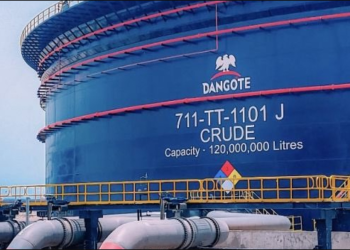
Nigeria has achieved a milestone in its oil production recovery, reaching 1.505 million barrels per day in June 2025, marking the second time this year that the country has met its Organization of the Petroleum Exporting Countries (OPEC) production quota of 1.5 million barrels per day.
The achievement represents a steady climb from the 1.453 million barrels per day recorded in May, according to data from OPEC’s Monthly Market Oil Report. This production level demonstrates Nigeria’s continued efforts to restore its position as a reliable oil producer within the global cartel.
The milestone is particularly noteworthy given Nigeria’s historical struggles to meet its OPEC obligations. The country’s production had languished at approximately 1.1 million barrels per day in 2023, rising to 1.3 million barrels per day in 2024 and maintaining around 1.4 million barrels per day since January 2025.
Recent data shows Nigeria achieved 100.4 percent of its OPEC quota in June, with daily average production reaching 1,697,045 barrels per day when including condensates.
However, the current production levels still fall short of the ambitious 2.06 million barrels per day target outlined in Nigeria’s 2025 budget. This gap highlights the challenges facing Africa’s largest oil producer as it works to restore production capacity that was decimated by years of pipeline vandalism, oil theft, and underinvestment.
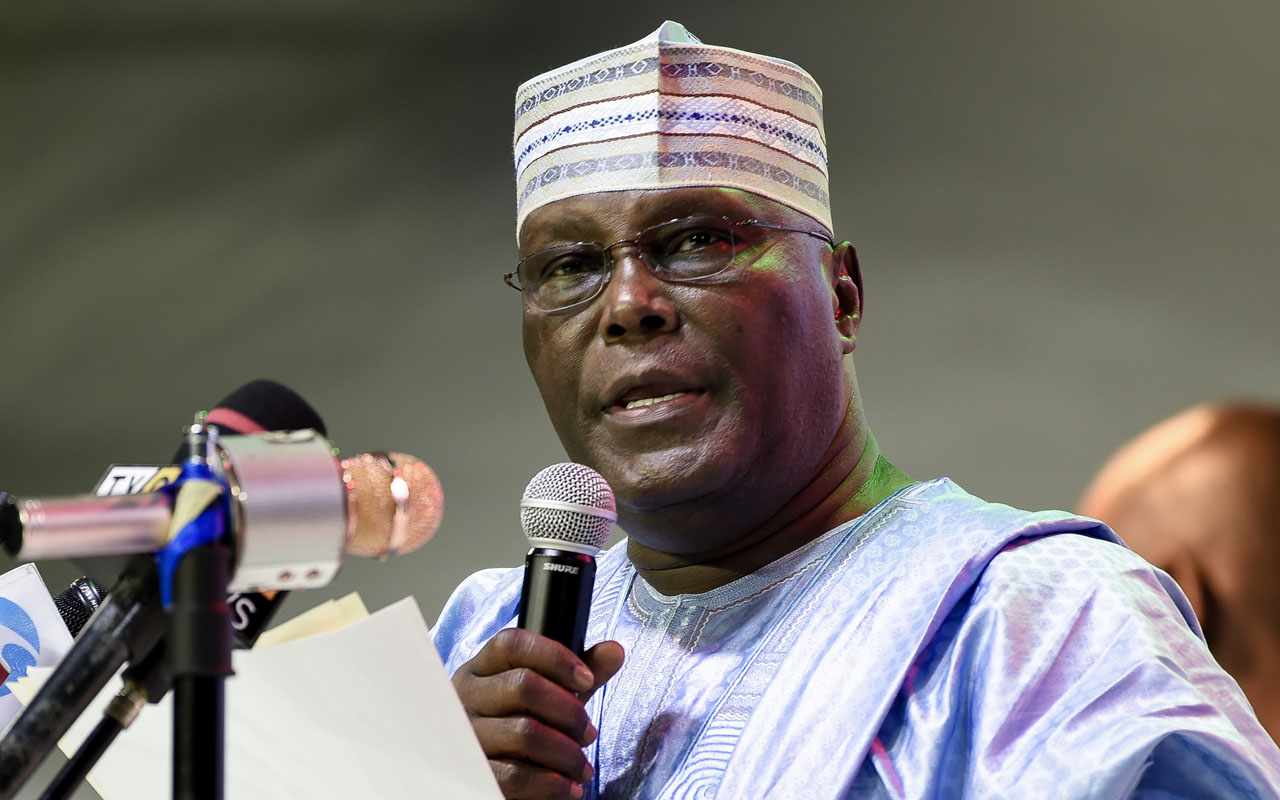
Bayo Ojulari, Group Chief Executive Officer of the Nigerian National Petroleum Company Limited (NNPC), expressed optimism about the trajectory, projecting that output could reach 1.9 million barrels per day by December 2025.
Speaking recently, Ojulari noted that production had already climbed to 1.63 million barrels per day, including condensates, from 1.56 million barrels per day in March.
A key factor in Nigeria’s production recovery has been the restoration of pipeline infrastructure security. For the first time in years, the country achieved 100 percent crude oil pipeline availability throughout June, a development Ojulari attributed to comprehensive security interventions led by the NNPC. This infrastructure stability has been crucial in enabling consistent production and transportation of crude oil.
The NNPC chief emphasized that sustained investment remains critical for further production increases. He highlighted the company’s improved performance in meeting cash-call obligations to joint venture operations, which has helped restore confidence among international oil company partners.
Looking ahead, Nigeria has set a medium-term target of reaching 2.06 million barrels per day by 2027. However, industry experts caution that achieving this ambitious goal will require addressing persistent challenges, including oil theft in the Niger Delta and attracting sufficient investment to the sector.
The production recovery comes at a crucial time for Nigeria’s economy, which remains heavily dependent on oil revenues. Meeting OPEC quotas not only demonstrates the country’s commitment to the oil cartel’s production discipline but also signals to international markets that Nigeria is regaining its footing as a reliable energy supplier.
With current pipeline infrastructure operating at full capacity and security measures showing results, industry analysts expect Nigeria’s oil production to continue its upward trajectory in the coming months, potentially positioning the country to consistently exceed its OPEC quota for the remainder of 2025.
WHAT YOU SHOULD KNOW
Nigeria has successfully met its OPEC production quota of 1.5 million barrels per day for the second time in 2025, reaching 1.505 million barrels in June. This represents a significant turnaround from years of underperformance, driven primarily by achieving 100% crude oil pipeline availability for the first time in years through enhanced security measures.
While this progress is encouraging, Nigeria still falls short of its ambitious 2.06 million barrels per day budget target. The country aims to reach 1.9 million barrels by December 2025 and 2.06 million by 2027, but sustained investment and continued infrastructure security will be critical to achieving these goals.