The Federal Government has taken a decisive step toward resolving Nigeria’s chronic electricity sector crisis, issuing the first tranche of bonds worth N590 billion under the Presidential Power Sector Debt Reduction Programme, officials announced on Friday.
The landmark issuance, structured through NBET Finance Company Plc—a special purpose vehicle of the Nigerian Bulk Electricity Trading Plc—represents what government officials are calling the largest coordinated financial intervention in the history of the country’s troubled power industry.
A Strategic Reset, Not a Bailout
Speaking at a recent investor forum, Mrs. Olu Arowolo Verheijen, Special Adviser to the President on Energy, emphasized that the initiative goes beyond emergency relief measures.
“This is not a bailout; it is a strategic reset, one that clears verified arrears, restores liquidity, and gives power generation companies the footing they require to operate and invest with confidence,” Verheijen said, underscoring the administration’s determination to tackle what she described as a “legacy debt overhang.”
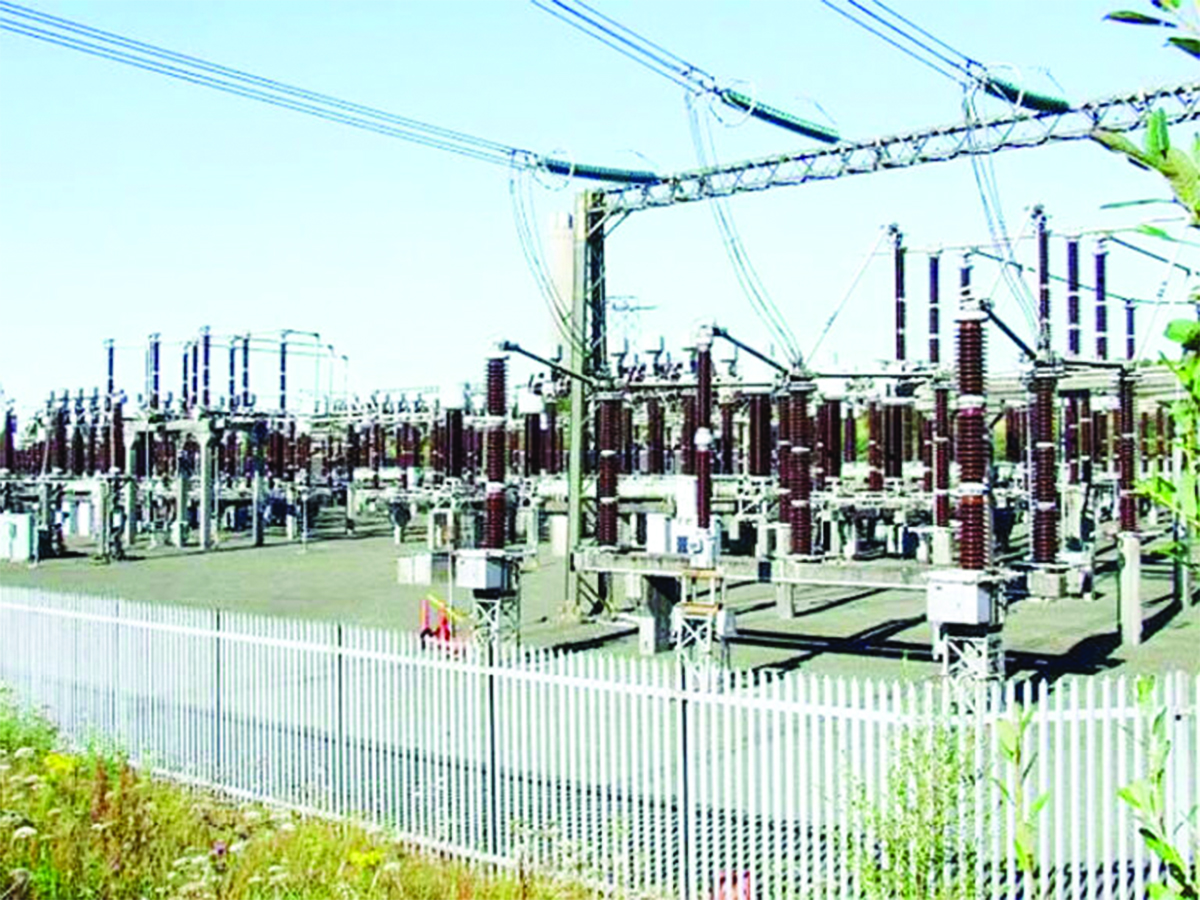
The Series 1 bond, backed by the full faith and credit of the Federal Government, will be used to settle long-standing arrears owed to power generation companies (GenCos) and gas suppliers—debts that have severely constrained the sector’s ability to attract investment and deliver reliable electricity to millions of Nigerians.
Ambitious Timeline, Higher Stakes
Friday’s issuance marks only the beginning of an ambitious debt reduction roadmap. According to the Presidency’s statement, released by Senan Murray, Team Lead for Communications in the Office of the Special Adviser to the President on Energy, the program targets N1.23 trillion in bond issuances by the first quarter of 2026, with the overall initiative authorized to raise up to N4 trillion in government-backed securities.
The scale of the intervention reflects the depth of the crisis. Years of payment arrears have left generation companies financially hamstrung, unable to pay gas suppliers or invest in critical infrastructure upgrades. The result has been a vicious cycle: insufficient generation capacity, unreliable power supply, and mounting losses across the entire value chain.
From Presidential Approval to Market Action
The program’s journey from concept to reality has been swift by government standards. President Bola Tinubu approved the N4 trillion bond initiative in August 2025, following consultations with GenCos and gas suppliers at the Presidential Villa. The Federal Executive Council subsequently endorsed the plan, clearing the path for implementation.
By October, implementation frameworks had been finalized with all major stakeholders, according to earlier reports. CardinalStone Partners Limited served as lead financial adviser and lead issuing house on the Series 1 bond, helping to structure the issuance for investor participation.
The December launch now sets in motion a multi-year issuance calendar that will extend through 2026, with additional tranches expected to follow as the government works to systematically clear the sector’s debt burden.
High Expectations, Uncertain Delivery
For Verheijen and the Tinubu administration, the program represents a calculated bet that resolving the sector’s financial bottlenecks will unlock the investment needed to finally deliver stable electricity to Africa’s most populous nation.
“Clearing the debt will create breathing room for operators to stabilize operations and plan new investments that will help deliver more power to Nigerians,” Verheijen stated, articulating hopes that have been voiced—and dashed—by successive Nigerian governments over the past two decades.
President Tinubu has publicly acknowledged that his administration inherited “historical liabilities” from previous governments, pledging to address the issue “with transparency and fairness.” Whether this latest intervention succeeds where others have failed may depend not just on clearing arrears, but on implementing the structural reforms needed to prevent their recurrence.
As the bonds begin circulating and funds flow to generation companies and gas suppliers, industry observers will be watching closely to see whether restored liquidity translates into the operational stability and new investment the sector desperately needs—or whether Nigeria’s power crisis proves more intractable than even a trillion-naira intervention can solve.
WHAT YOU SHOULD KNOW
Nigeria has issued its first N590 billion bond to clear massive debts owed to power companies and gas suppliers—part of a historic N4 trillion program aimed at fixing the country’s crippled electricity sector.
This isn’t just debt repayment; it’s a bet that solving the sector’s cash crisis will finally unlock the investment needed to deliver reliable power to Nigerians.