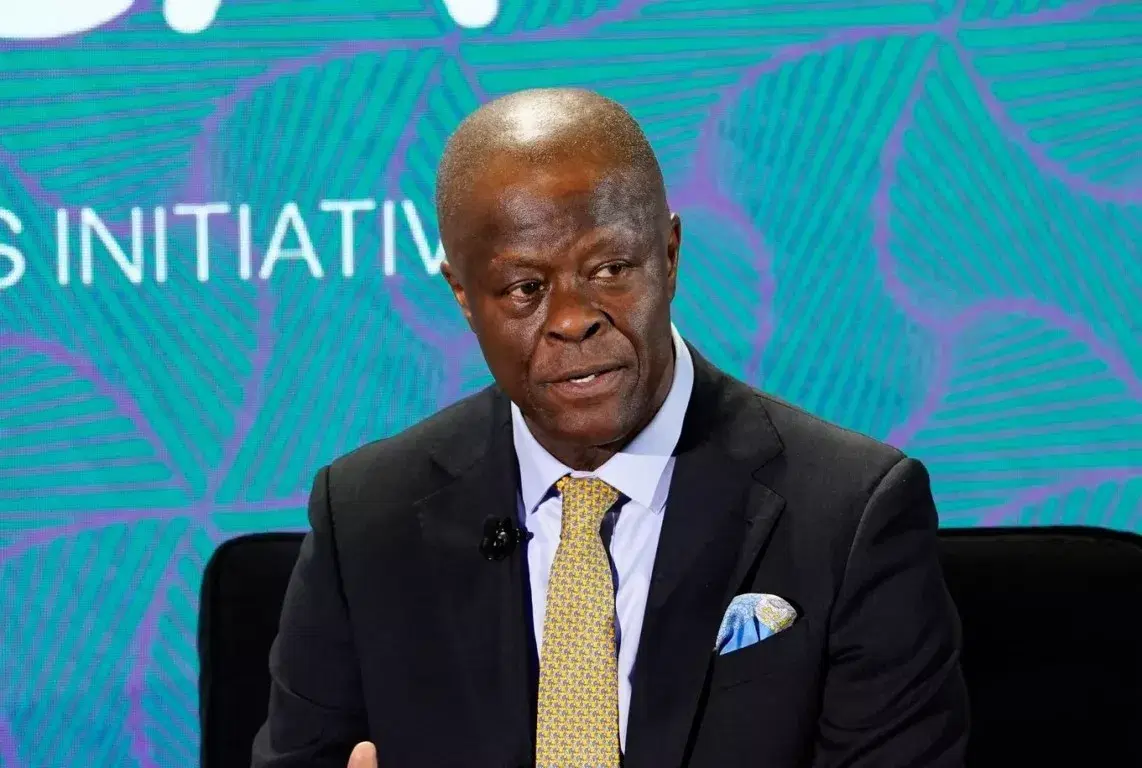
The Nigerian government has distributed ₦330 billion directly to poor and vulnerable households through its National Social Safety-net Coordinating Office, Finance Minister Wale Edun announced during a press briefing in the capital yesterday.
The substantial cash transfer program, funded through an $800 million World Bank facility, represents a cornerstone of President Bola Tinubu’s social protection strategy designed to cushion the impact of recent economic reforms on Nigeria’s most vulnerable populations.
Targeting Economic Hardship
The initiative comes as Nigeria grapples with rising living costs following two major policy shifts: the removal of fuel subsidies and the floating of the naira currency. These reforms, while deemed necessary for long-term economic stability, have triggered significant price increases across essential goods and services.
“This is part of the plan by Mr. President to get the social protection program that he had in mind to help the poorest and most vulnerable through the difficulties caused by the increase in the price level,” Edun explained, emphasizing the government’s commitment to protecting citizens during the transition period.
Massive Scale of Coverage
The program’s scope is impressive by African standards. According to official data, Nigeria’s National Social Register contains approximately 19.7 million poor and vulnerable households, encompassing over 70 million individuals. The current phase targets 15 million of these households, representing roughly 75 million Nigerians.
Progress has been substantial, with 8.5 million households already receiving at least one payment installment of ₦25,000. The structured approach provides for three tranches of payments, with some beneficiaries having received multiple disbursements depending on their registration timing and verification status.
Digital-First Approach
A key innovation in the program is its emphasis on digital payments and biometric verification. All beneficiaries are identified through their National Identity Numbers (NIN) and receive payments directly to bank accounts or mobile wallets, eliminating traditional cash distribution methods that have historically been prone to corruption and inefficiency.
“What has been put in place is a very robust system,” Edun noted. “People are identified biometrically by their NIN. Secondly, they are paid digitally through their bank accounts or their mobile wallets. So it’s a very robust and sustainable system.”
This digital-first mandate came directly from President Tinubu, according to National Social Safety-net Coordinating Office National Coordinator Funmi Olotu, who emphasized that the administration insisted on direct bank transfers to ensure program transparency.
Timeline and Sustainability
The government projects that all targeted households will receive their allocated payments before year-end. “The expectation is that the other 7 million or so households will be paid by the end of the year,” Edun stated, indicating the program’s accelerated implementation schedule.
Looking beyond the current emergency response, officials outlined plans for long-term institutionalization of social protection mechanisms. The Finance Minister indicated that future federal budgets will include dedicated allocations for social protection programs, creating a sustainable framework for ongoing support.
Economic Context
The cash transfer program represents Nigeria’s most significant social protection initiative in recent years, arriving at a critical juncture as the country implements challenging but necessary economic reforms. The removal of fuel subsidies, which previously cost the government billions annually, and the decision to allow market forces to determine the naira’s value have created short-term hardships for ordinary Nigerians.
However, these reforms are viewed by international financial institutions and economic analysts as essential steps toward fiscal sustainability and economic competitiveness in Africa’s most populous nation.
Regional Significance
With over 200 million people, Nigeria’s social protection program sets a precedent for large-scale poverty alleviation efforts across West Africa. The integration of biometric identification with digital payments could serve as a model for other developing nations seeking to modernize their social safety nets while ensuring transparency and accountability.
The success of this initiative may prove crucial for public acceptance of ongoing economic reforms and could influence similar programs across the continent, where governments increasingly recognize the importance of social protection in maintaining political stability during periods of economic transition.
As Nigeria continues navigating its economic transformation, the effectiveness of this ₦330 billion investment in social protection will likely serve as a critical indicator of the government’s commitment to inclusive growth and poverty reduction.
WHAT YOU SHOULD KNOW
Nigeria has distributed ₦330 billion directly to 8.5 million vulnerable households as part of President Tinubu’s strategy to cushion the economic impact of fuel subsidy removal and currency devaluation.
The program uses biometric verification and digital payments to reach 75 million citizens, with the remaining beneficiaries expected to receive payments by year-end. This represents Africa’s largest digital social protection initiative, funded by an $800 million World Bank facility, and signals the government’s commitment to protecting the poor during necessary but painful economic reforms.