Summary
The Nigerian government has strongly criticised the military takeover in Guinea-Bissau, calling for an immediate return to democratic rule in the troubled West African nation.
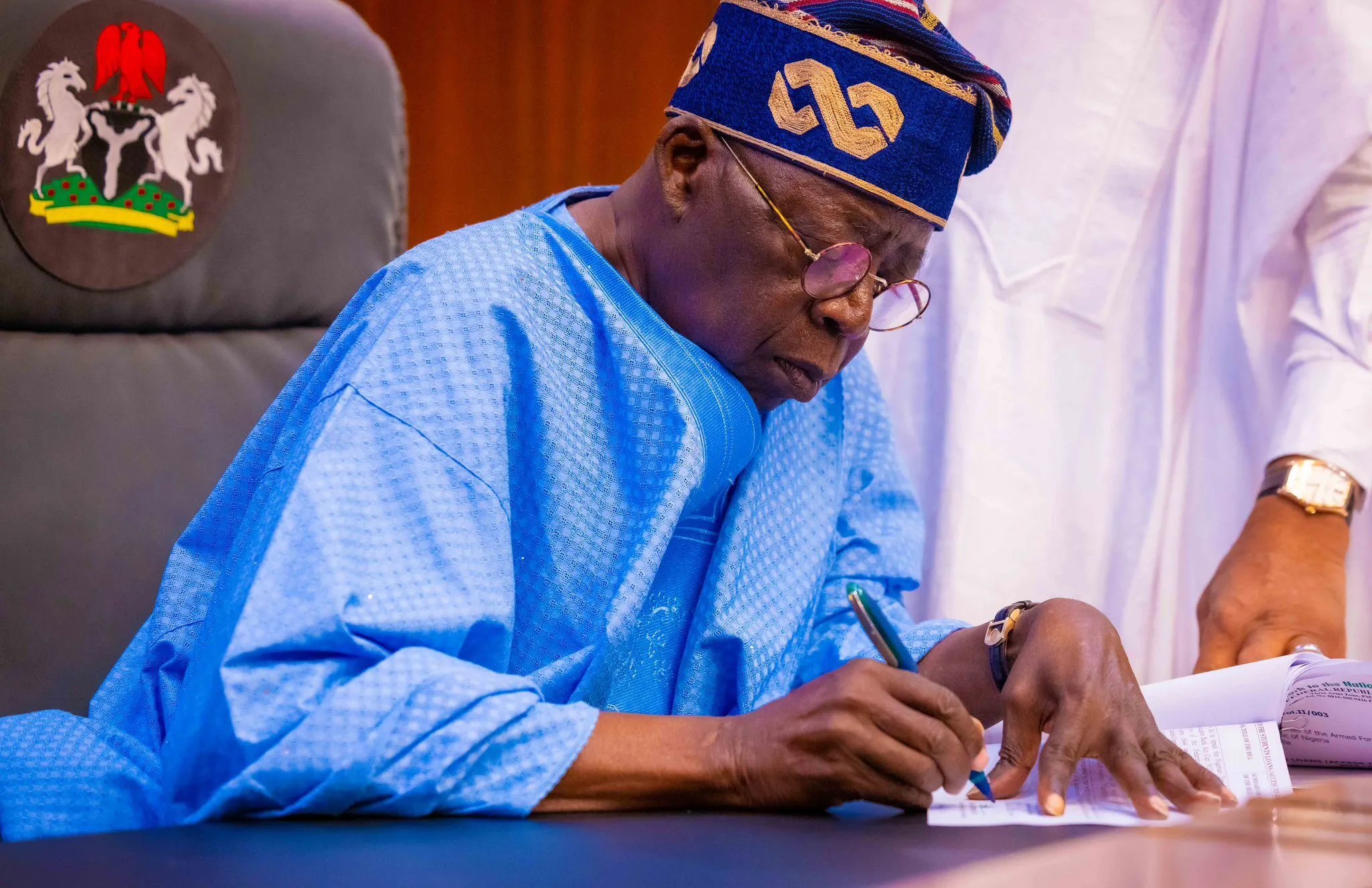
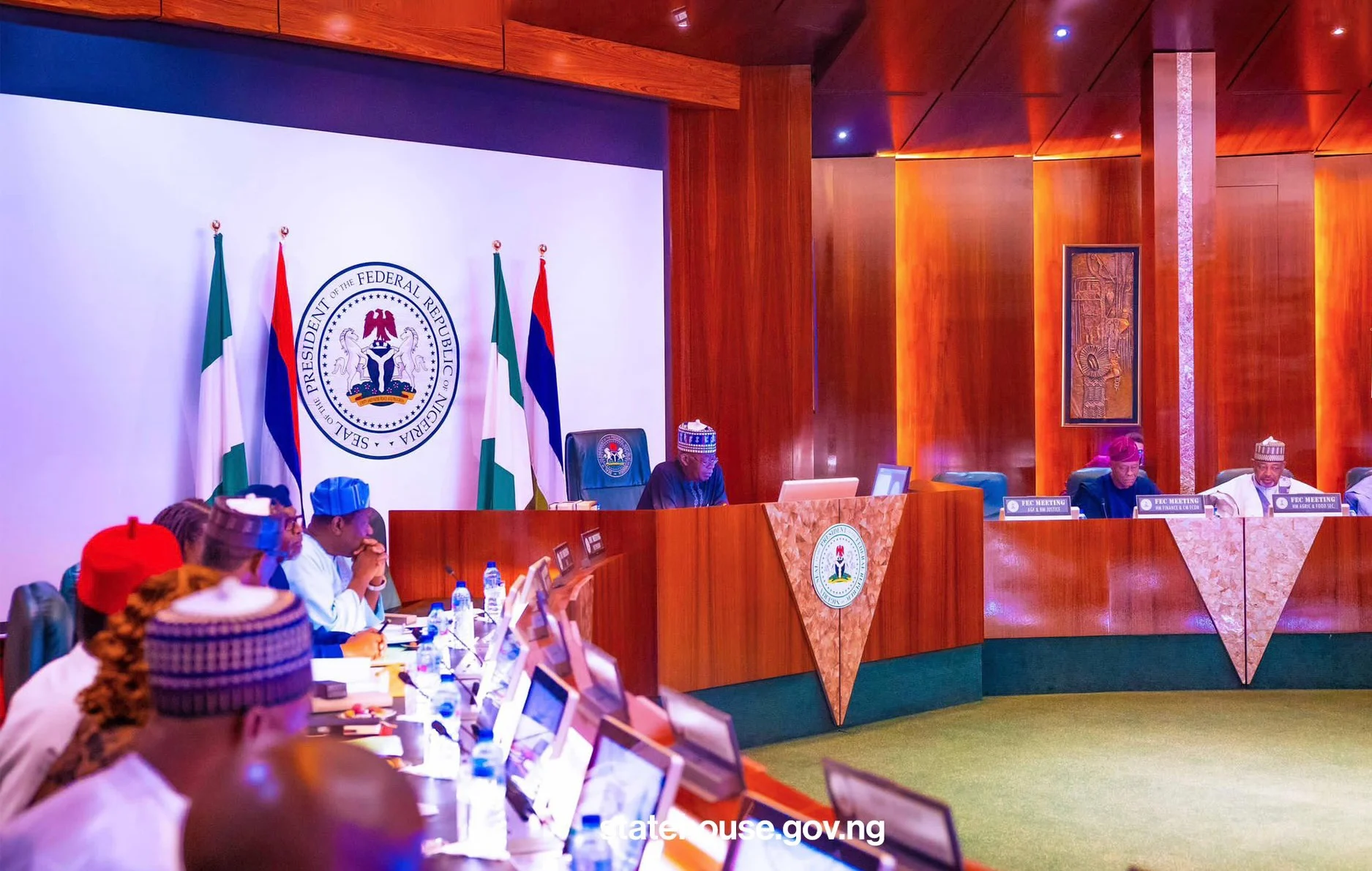
In a statement released early Thursday, the Federal Ministry of Foreign Affairs expressed shock over the unfolding situation, describing the abrupt seizure of power as “unfortunate.” The ministry’s spokesperson, Kimiebi Ebienfa, said Nigeria views the development as a serious setback for democratic stability in the region.
According to the statement, “The Federal Government of Nigeria, in the strongest possible terms, condemns this act of military insurrection which undermines the democratic progress, constitutional order, and stability not only of Guinea-Bissau but of the entire West African sub-region.” Nigeria stressed that the coup “represents a blatant violation of the fundamental principles of the ECOWAS Protocol on Democracy and Good Governance”, which firmly opposes unconstitutional access to power.
Reaffirming its stance, Nigeria emphasised solidarity with the people of Guinea-Bissau and demanded “the immediate and unconditional restoration of constitutional order, the safety and security of all those detained and the full respect for the sanctity of democratic institutions in Guinea-Bissau.”
The Nigerian government further urged all parties involved in the crisis to “exercise utmost restraint, prioritise peaceful dialogue, and respect the will of the people of Guinea-Bissau”, especially in light of the recently concluded elections. Nigeria warned that those responsible for the military action would be held accountable for decisions that could push the nation into deeper instability and reverse its democratic progress.
The statement added that Nigeria would “work closely with our regional and international partners to take all necessary measures to ensure the swift return to normalcy and constitutional governance in Guinea-Bissau”.
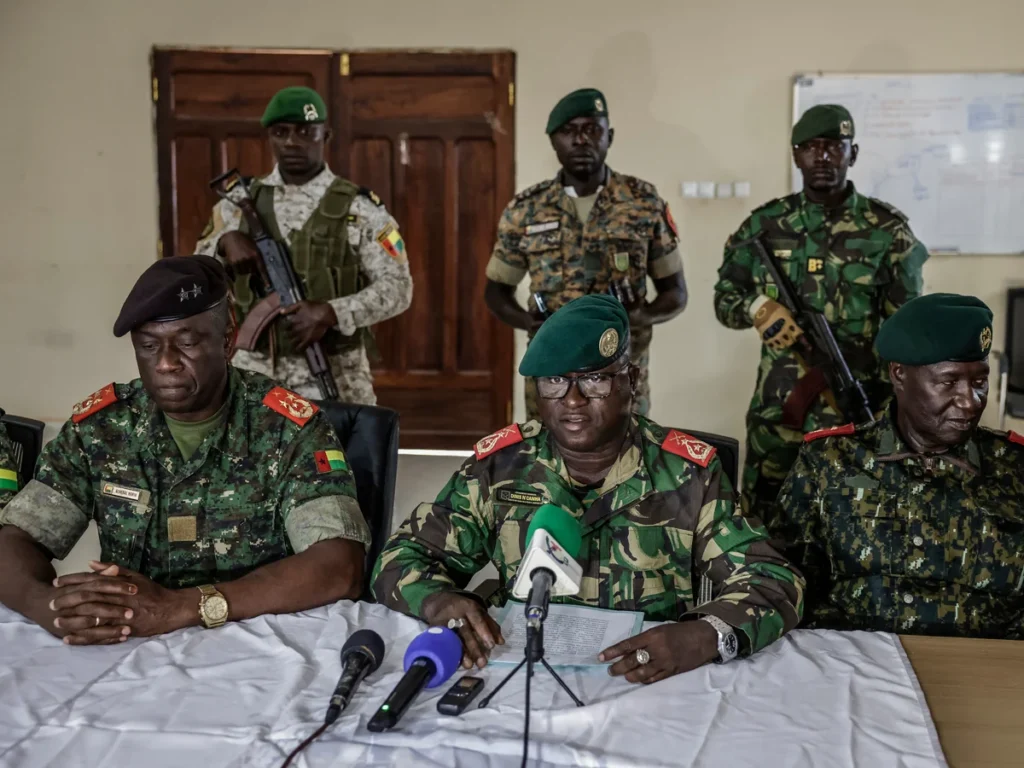
The crisis in Guinea-Bissau intensified on Wednesday when military officers seized “total control” of the country, halting the electoral process and shutting its borders just days after legislative and presidential polls. General Denis N’Canha, head of the presidential military office, announced that a command “composed of all branches of the armed forces” had assumed authority until further notice.
The military arrested President Umaro Embalo, who had been widely projected to secure victory in Sunday’s election. Reports also confirmed the detention of several key officials, heightening regional concern.
Election observers from the Economic Community of West African States (ECOWAS) and the African Union (AU) joined Nigeria in condemning the coup. In their statement, the observers said they “deplore this blatant attempt to disrupt the democratic process and the gains that have been achieved thus far.” They also called on both the AU and ECOWAS to take urgent steps to reestablish constitutional order in the country.
What You Should Know
Guinea-Bissau has experienced frequent political instability for decades, and the latest coup adds to a long history of disrupted democratic transitions.
Nigeria and regional bodies such as ECOWAS and the AU play key roles in safeguarding democracy across West Africa, making the situation a major regional concern.
The arrest of President Umaro Embalo and the suspension of the electoral process underscore the depth of the crisis and the urgency of international intervention.