California Governor Gavin Newsom faced sharp criticism from Nicki Minaj after sharing his dyslexia struggles and low 960 SAT score during a Sunday book tour event in Atlanta, moderated by Mayor Andre Dickens.
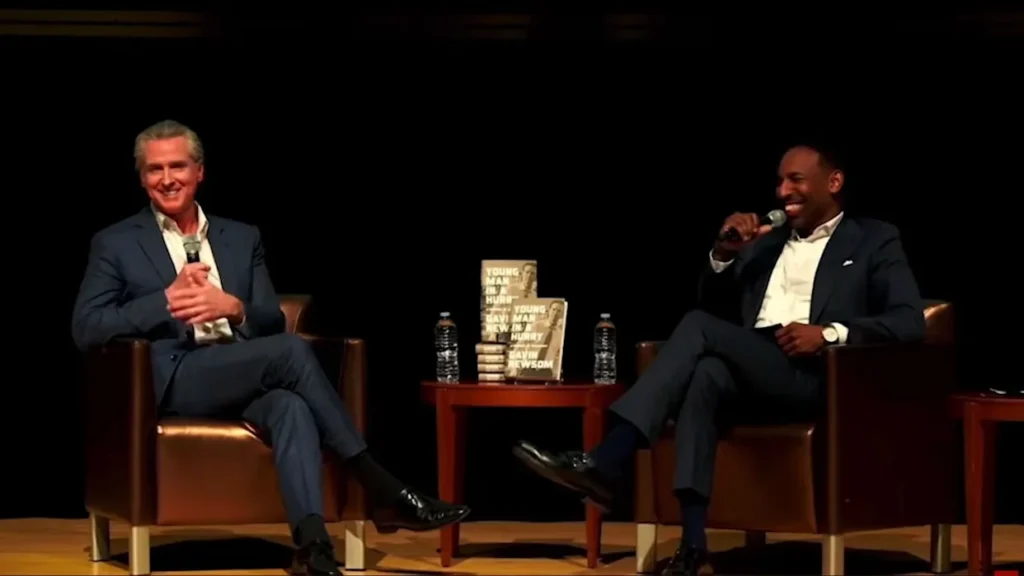
Promoting his memoir “Young Man in a Hurry,” Newsom said, “I’m like you. I’m no better than you… I’m a 960 SAT guy… you’ve never seen me read a speech, because I cannot read a speech.” He spoke deliberately about living with dyslexia, emphasizing vulnerability.
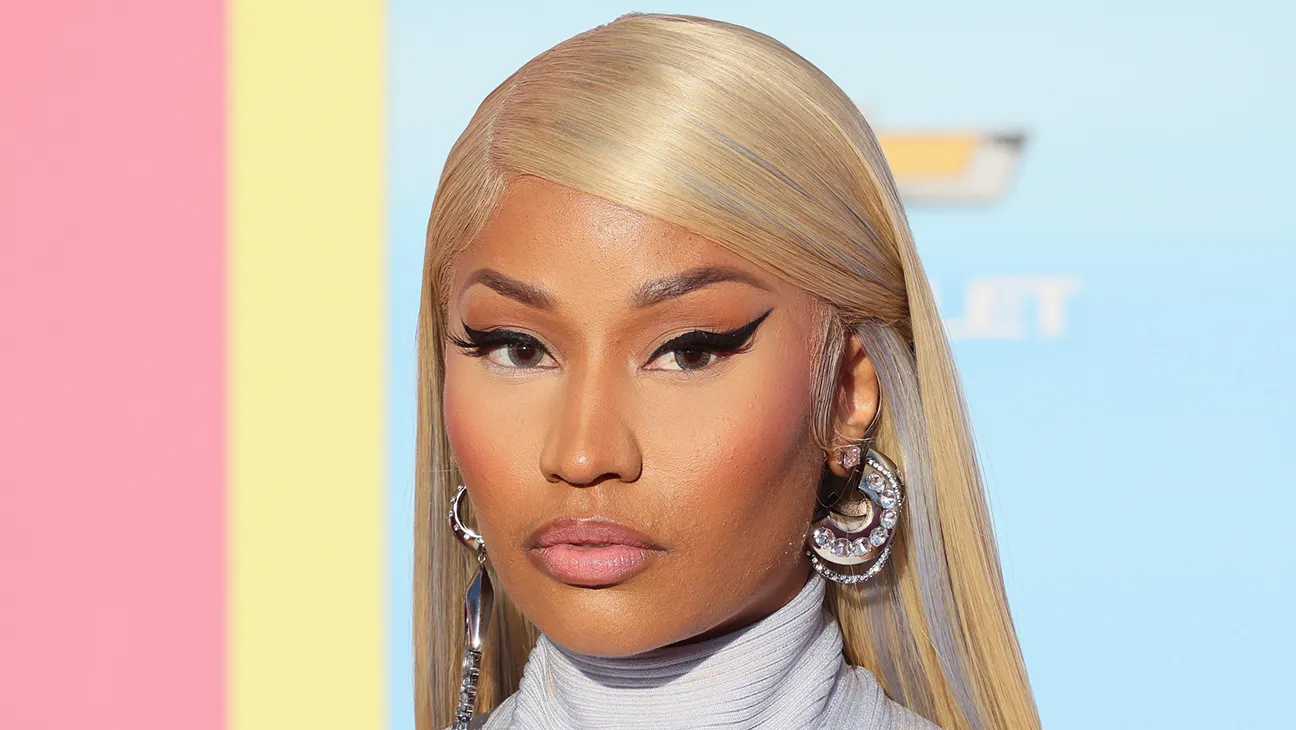
A viral clip prompted rapper Nicki Minaj to accuse him of racial condescension: X: “His way of bonding with Black people is to tell them how stupid he is & that he can’t read.” She added he was “LITERALLY SLOWING DOWN HIS SPEECH” as if addressing children who “probably can’t read.”
Footage showed a diverse audience, countering claims that it was predominantly Black. The clip Minaj shared focused only on Newsom and Dickens.
Sen. Tim Scott (R-S.C.) called it an “insult,” and MAGA voices amplified the outrage, labeling it pandering.
Newsom’s team dismissed it as “fake MAGA-manufactured outrage,” with the governor defending his remarks as a genuine sharing of lifelong challenges, not targeted at any group. He accused critics of hypocrisy.
This marks another clash for Minaj, a recent conservative voice who previously dubbed Newsom “TransKids Newsom.” A Politico report noted her political posts receive significant amplification from inauthentic bot accounts, per Cyabra analysis.
The incident underscores how personal anecdotes can fuel racial and political divides in a polarized landscape, especially as figures like Newsom and Minaj navigate national profiles.
WHAT YOU SHOULD KNOW
Gavin Newsom’s attempt to relate to the audience by sharing his own struggles with dyslexia and low SAT scores—saying, “I’m like you. I’m no better than you”—which Nicki Minaj and several critics interpreted as him implicitly calling Black voters stupid and speaking to them in a deliberately slowed, condescending manner.
While Newsom framed it as vulnerability and solidarity, the moment was quickly weaponized politically, amplified by Minaj’s large platform, turning a personal anecdote into a flashpoint accusation of racial pandering.
That disconnect between intended empathy and perceived insult is the key factor driving the outrage.