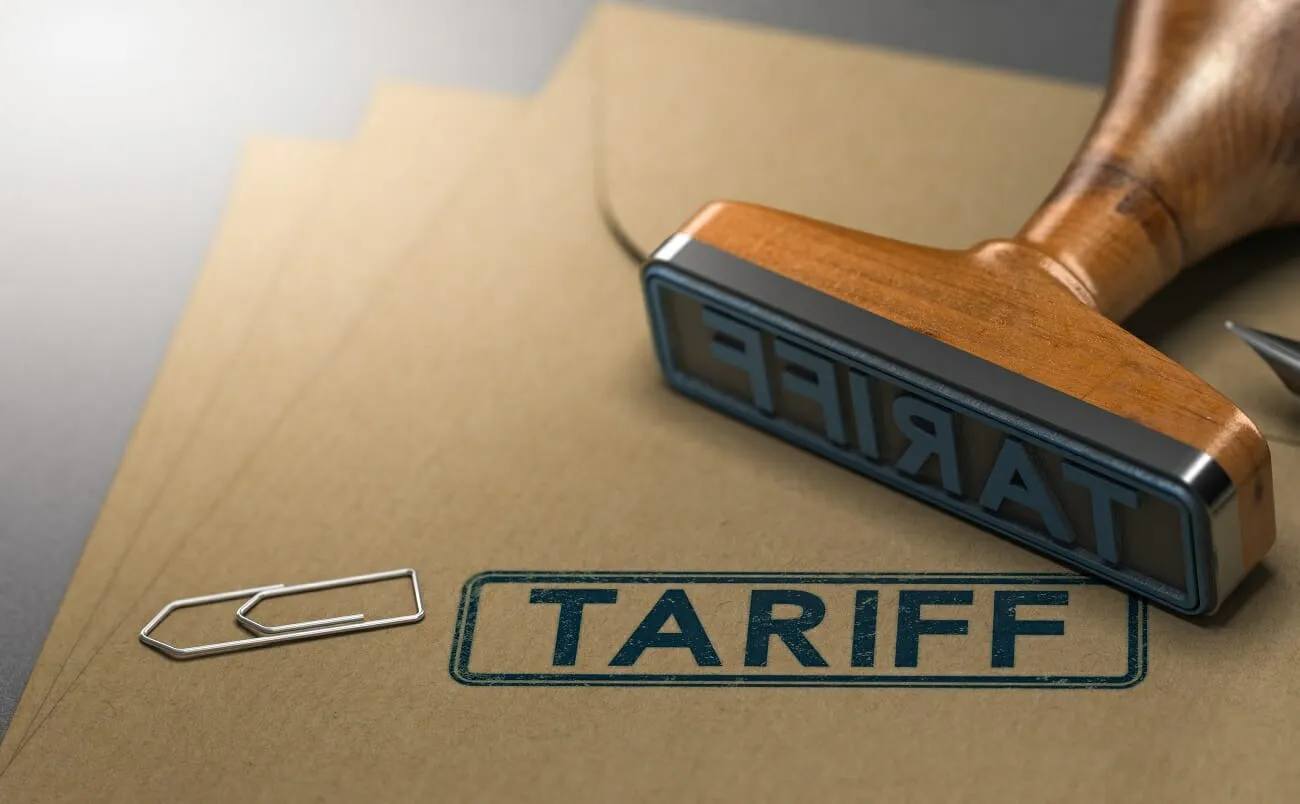
American households bracing for relief from persistent inflation faced fresh economic headwinds on Thursday as steep tariff increases on imported furniture took effect, marking the latest escalation in President Donald Trump’s aggressive trade policy agenda.
The new duties, which had been telegraphed since October as part of a phased tariff implementation, pushed rates on certain upholstered furniture from 25 percent to 30 percent, while levies on kitchen cabinets and vanities surged dramatically from 25 percent to 50 percent—effectively doubling the tax on these essential home goods.
The increases represent the second wave of sector-specific tariffs that the Trump administration has justified as necessary to revitalize domestic manufacturing and address what it characterizes as national security concerns. The initial round, implemented in October 2024, had already imposed a 10 percent duty on softwood timber and lumber alongside the original 25 percent furniture tariffs.
Trade analysts warn that the tariff escalation could translate directly into higher prices for American consumers, who are already contending with elevated costs of living despite recent improvements in inflation metrics. The furniture sector represents a significant household expenditure category, with Americans spending billions annually on home furnishings and cabinetry.
“These aren’t luxury items we’re talking about,” noted one industry observer. “Kitchen cabinets and basic furniture are essential purchases for families setting up homes, and a 50 percent tariff creates substantial cost pressures that will inevitably flow through to retail prices.”
The measures are expected to hit imports from Vietnam and China particularly hard. Both nations have emerged as dominant suppliers in the U.S. furniture market over the past two decades, with Vietnam especially benefiting from manufacturers relocating production out of China during previous trade tensions.
The tariff structure includes notable exemptions that reveal the geopolitical dimensions of the trade policy. Wood products originating from the United Kingdom will face a maximum 10 percent duty, while the European Union and certain other trading partners that successfully negotiated agreements with Washington secured a 15 percent ceiling on their exposure.
These differentiated rates underscore the Trump administration’s approach of using tariffs not just as economic tools but as diplomatic leverage, rewarding cooperation while punishing what it views as unfair trade practices.
Thursday’s tariff implementation fits within a broader pattern of protectionist measures that have defined Trump’s second term. Since returning to the White House in January 2025, the president has unleashed an expansive array of duties affecting industries from steel and aluminum to automobiles, with additional investigations underway that could trigger even more levies in the coming months.
In a parallel track, Trump has imposed sweeping “reciprocal” tariffs on numerous countries under the International Emergency Economic Powers Act—an aggressive use of emergency powers that has drawn legal challenges now pending before the Supreme Court. However, products already subject to sector-specific tariffs, like furniture, are shielded from these additional countrywide duties, avoiding what would otherwise amount to double taxation.
The Supreme Court’s anticipated ruling on the legality of the reciprocal tariffs, which could come in the coming months, will not affect the furniture and wood product duties that took effect Thursday, as those were implemented under separate statutory authority
The furniture industry has expressed concerns that the tariffs may prove counterproductive, potentially harming American retailers and consumers while failing to significantly boost domestic manufacturing capacity in the near term. Building furniture production facilities and supply chains requires substantial capital investment and time—resources that may not materialize if companies believe the tariff regime could shift with future administrations
As American families navigate these latest cost pressures, the furniture tariff increases serve as a tangible reminder of how international trade policy directly impacts household budgets, transforming abstract economic debates into concrete price tags at furniture showrooms and home improvement stores across the nation.
WHAT YOU SHOULD KNOW
Starting January 1, 2026, Americans will pay significantly more for imported furniture as Trump administration tariffs jump to 30% on upholstered furniture and 50% on kitchen cabinets—costs likely to be passed directly to consumers already struggling with high living expenses.
These increases hit imports from major suppliers Vietnam and China the hardest, while European allies secured lower rates through negotiated deals. Unlike Trump’s contested “reciprocal” tariffs awaiting Supreme Court review, these sector-specific furniture duties are legally secure and will remain in effect regardless of the court’s decision.