The Nigerian Bar Association has criticised the actions of Justice Mohammed Umar for directing a lawyer, Marshall Abubakar, to kneel during court proceedings in Abuja.
Abubakar, who serves as lead defence counsel to human rights activist Omoyele Sowore, reportedly angered the judge after raising his voice while arguing that the date set for the defence to open its case was not suitable.
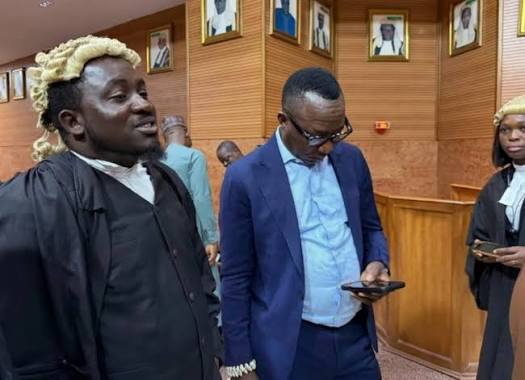
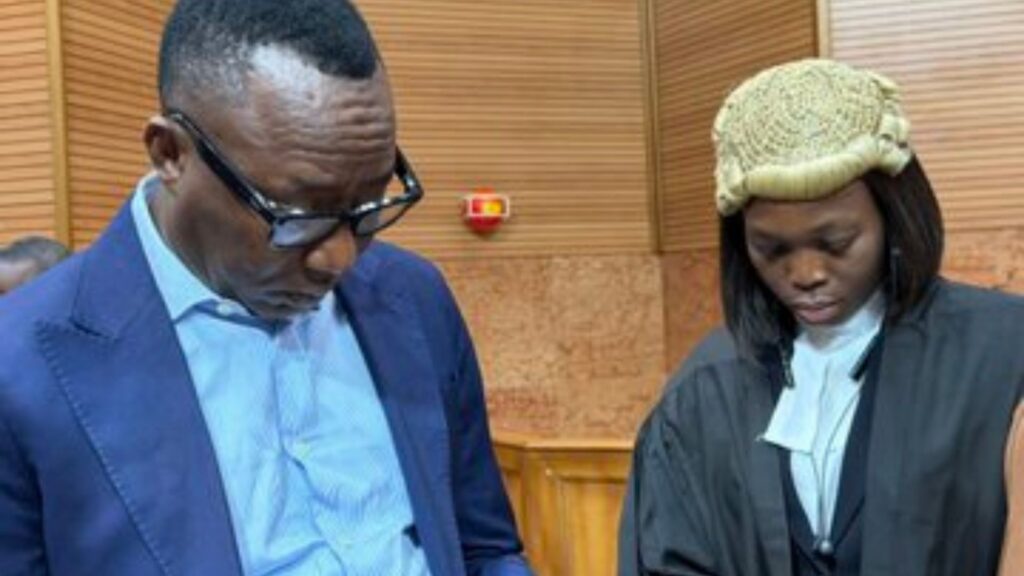
In response, Justice Umar ordered the lawyer to step out of the bar area and kneel, an action that has now drawn widespread criticism from the legal community.
Reacting to the incident, NBA President Afam Osigwe stated that no judge has the authority under Nigerian law to compel a lawyer or any individual to kneel in court.
“A judge directing a legal practitioner or indeed any person whatsoever to kneel in court is not a recognised judicial sanction under our laws and does not align with the standards of judicial conduct expected on the Bench,” Osigwe said in a statement released on Tuesday.
He further emphasised that while courts must maintain their dignity, this should be reflected not only in judgments but also in how judicial authority is exercised during proceedings.
“The dignity of the court must be preserved not only in outcome but also in process, and this includes the manner in which judicial authority is exercised. If a judge is of the view that a person has acted in a manner that is contemptuous of the court, the judge MUST follow the accepted way of conducting proceedings for such allegations,” he added.
Osigwe acknowledged that lawyers are expected to conduct themselves with professionalism, restraint, and respect at all times. However, he stressed that legal practitioners also have a duty to advocate strongly and fearlessly on behalf of their clients.
He noted that such advocacy must remain within the bounds of courtesy and decorum, and that any disagreement with the court should be expressed through proper legal channels rather than actions that may disrupt proceedings.
“The legal profession thrives on a delicate but essential balance, one rooted in mutual respect between the Bar and the Bench. This relationship is fundamental to the administration of justice and must be jealously guarded,” he said.
The development has sparked debate within Nigeria’s legal circles about courtroom conduct, judicial authority, and the appropriate limits of disciplinary measures.
What you should know
The Nigerian Bar Association is the umbrella body for all lawyers in Nigeria and plays a key role in upholding legal ethics and professional standards.
Incidents involving courtroom conduct often raise concerns about the balance of power between judges and lawyers. While judges have authority to maintain order and discipline, sanctions must follow established legal procedures, especially in cases involving alleged contempt.
This situation highlights ongoing discussions about judicial conduct, professional respect, and the rule of law in Nigeria’s justice system.