The Nigerian Bar Association (NBA) has demanded an immediate halt to the implementation of the Tax Reform Acts following claims that certain provisions in the officially gazetted versions differ from what was approved by the National Assembly.
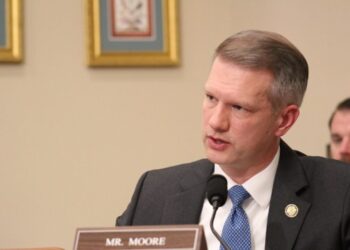
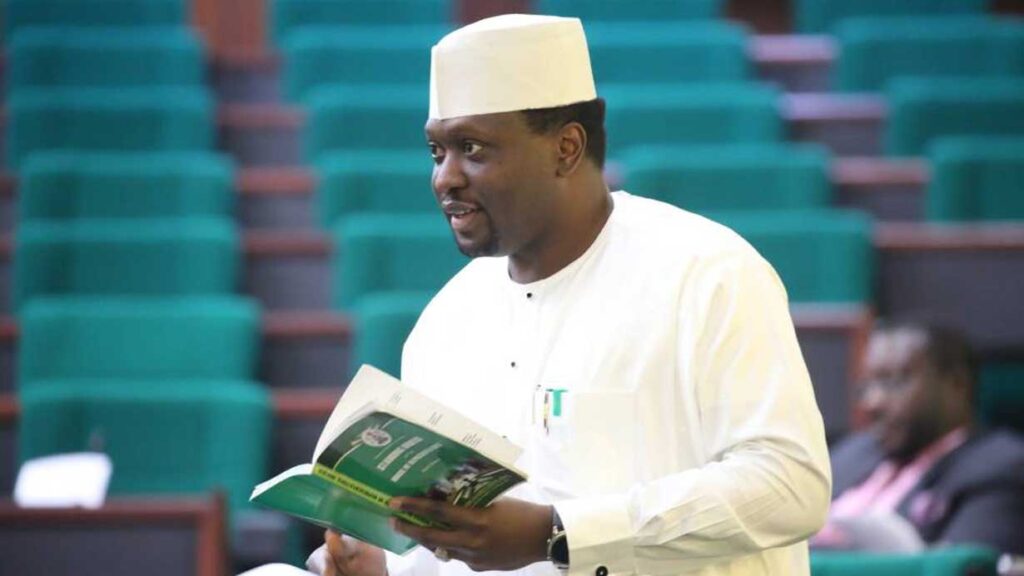
The controversy surfaced last week when a House of Representatives member from Sokoto, Abdulsamad Dasuki, alerted the public to alleged discrepancies between the tax legislation passed by lawmakers and the versions that were eventually gazetted.
Reacting to the revelation, the NBA said in a statement issued on Tuesday that the situation raises “grave concerns about the integrity, transparency, and credibility of Nigeria’s legislative process” and urged that “a comprehensive, open, and transparent investigation be conducted to clarify the circumstances surrounding the enactment of the laws.”
The association stressed that “Until these issues are fully examined and resolved, all plans for the implementation of the Tax Reform Acts should be immediately suspended,” according to the statement signed by its president, Afam Osigwe.
Osigwe warned that the allegations “strike at the very heart of constitutional governance and call into question the procedural sanctity that must attend lawmaking in a democratic society.”
Beyond legal concerns, the NBA cautioned that the unfolding dispute could have wider economic consequences. It noted that such “legal and policy uncertainty of this magnitude has far-reaching consequences,” explaining that it destabilizes the business climate, weakens investor confidence, and creates uncertainty for individuals, companies, and institutions expected to comply with the law.
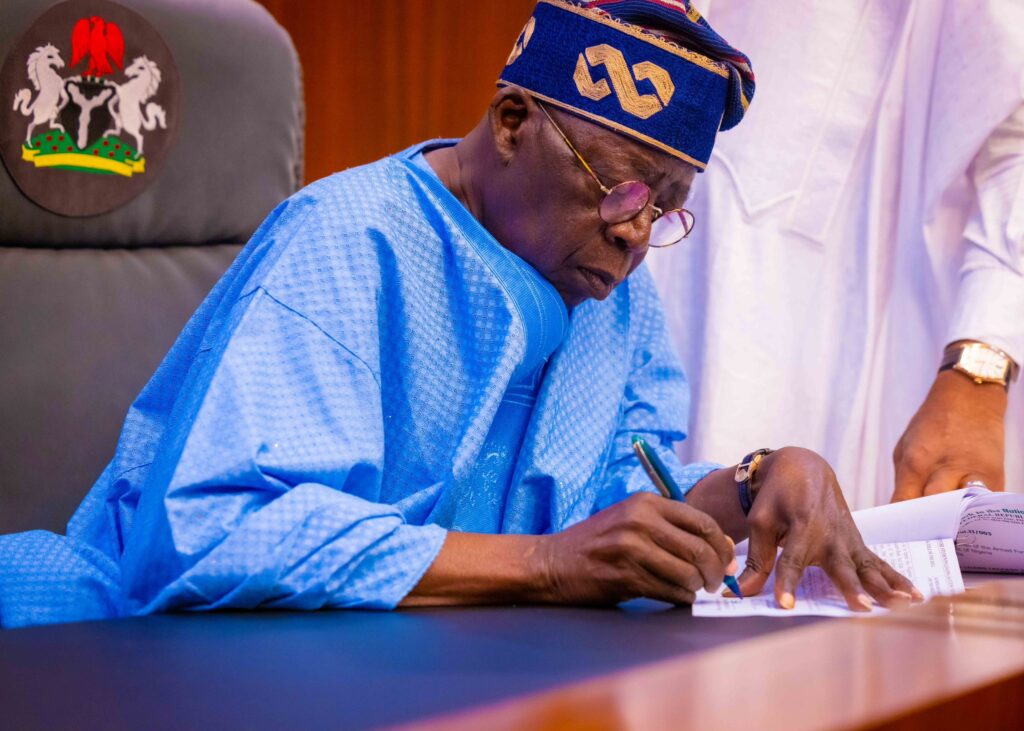
President Bola Tinubu signed four tax reform bills into law in June after months of scrutiny and intense national debate. The laws include the Nigeria Tax Bill, the Nigeria Tax Administration Bill, the Nigeria Revenue Service (Establishment) Bill, and the Joint Revenue Board (Establishment) Bill.
Although the Federal Government fixed January 2026 as the commencement date for the implementation, the decision has triggered significant controversy nationwide.
Several opposition figures and political groups, including Labour Party’s Peter Obi and the African Democratic Party (ADC), have also urged the Federal Government to suspend the rollout of the laws.
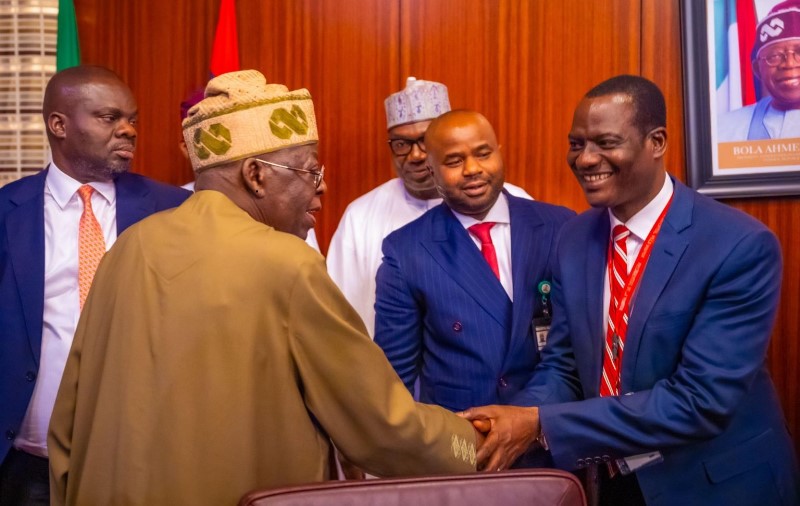
Despite the growing criticism, the Chairman of the Presidential Fiscal Policy and Tax Reforms Committee, Taiwo Oyedele, has defended the reforms, insisting that the government was not introducing entirely new laws.
The Federal Government has maintained that the tax reforms are designed to overhaul Nigeria’s fiscal framework, remove multiple and burdensome taxes, simplify compliance, and stimulate domestic productivity.
What you should know
The NBA’s demand centers on alleged discrepancies between tax reform laws passed by lawmakers and their gazetted versions, a situation that could undermine trust in Nigeria’s legislative process.
If unresolved, the issue may affect investor confidence and economic stability.
While the government insists the reforms will modernize taxation and boost productivity, legal experts and opposition figures argue that implementation should not proceed until the authenticity of the laws is clarified and due process fully upheld.