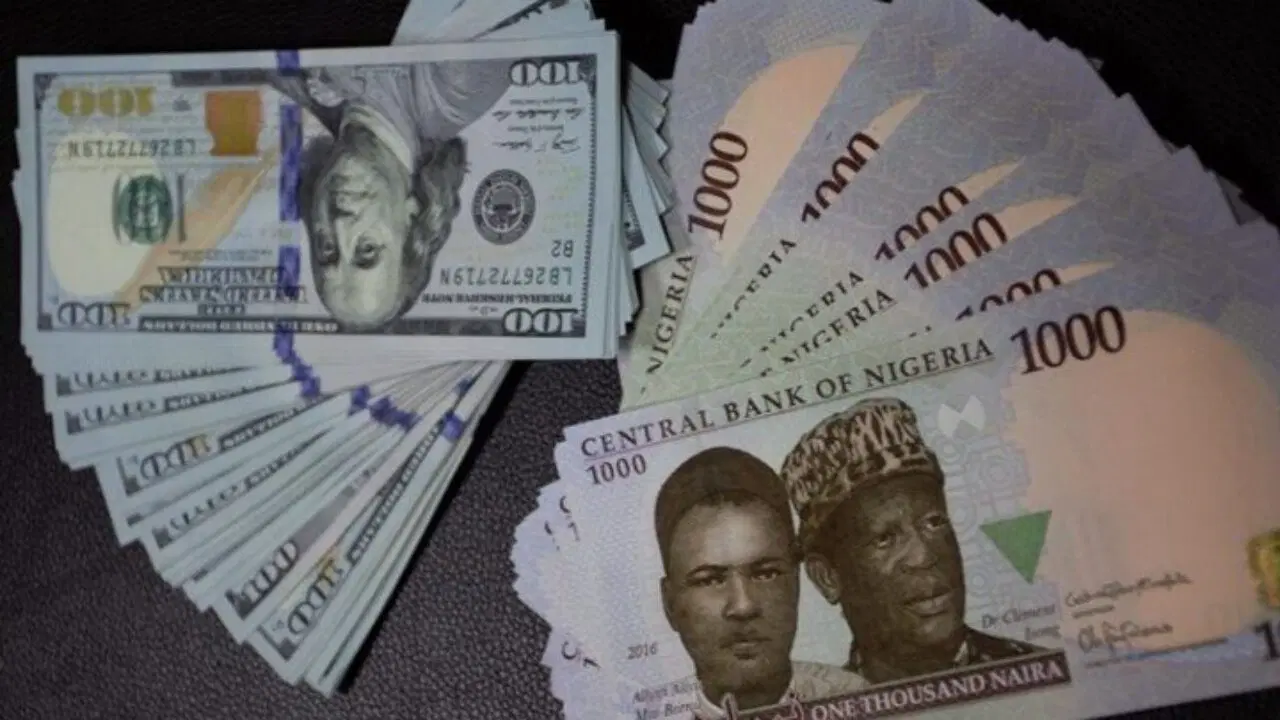
The naira opened the midweek session of the trading week on a firm footing, changing hands at ₦1,362.55 to the dollar on the Nigerian Foreign Exchange Market (NFEM), Nigeria’s official currency window, as calm continued to define the official segment of the market.
Figures released by the Central Bank of Nigeria showed the local unit closed Tuesday’s session at ₦1,362.55/$1, having oscillated in a tight band between ₦1,361 and ₦1,364.70 during the day’s trading.
The NFEM benchmark, derived from a volume-weighted average of executed trades, remains the reference point banks and regulators use to gauge the currency’s official value, and its narrow intraday swing on Tuesday underscores just how contained volatility has become in that segment of the market.
The picture looks markedly different away from the official window. On the streets, where the naira’s fate is decided by everyday demand rather than central bank arithmetic, the dollar fetched roughly ₦1,415 on Wednesday, according to AbokiFX tracking data, a premium of about ₦52 over the official rate.
Other parallel-market monitors painted a similar story, with dealers buying dollars around ₦1,410 and offloading them near ₦1,425, a spread that reflects how rates can shift slightly from one Lagos corner or trading hub to the next depending on the size of the transaction and who’s doing the dealing.
That persistent gap tells its own story: even with the official market humming along smoothly, appetite for hard currency among importers, travelers and everyday Nigerians continues to outstrip what the informal market can comfortably supply.
Analysts tracking the currency describe a naira that has largely settled into a holding pattern in recent weeks, helped along by steady intervention from the central bank and a noticeably deeper pool of liquidity in the official channel.
Reports have similarly noted that the currency has been confined to a comparatively tight trading corridor of late, even as demand from importers and other dollar-users shows no sign of letting up.
Independent data lends weight to that narrative of stability. Currency data provider Xe pegged the mid-market USD-NGN rate at roughly ₦1,363.74 in early trading, noting the pair had moved between about ₦1,360 and ₦1,367 over the preceding week, with volatility of under one percent. That kind of tight range is a far cry from the sharper swings the naira experienced in prior years.
Set against July’s performance, the pattern holds: the official rate has largely stayed anchored in the ₦1,360–₦1,365 corridor, while the parallel market has drifted between roughly ₦1,405 and ₦1,425, a premium that has become something of a fixture rather than an aberration.
For ordinary Nigerians and businesses transacting today, the practical takeaway is straightforward: expect to pay close to ₦1,362.55 per dollar through official channels, and nearer ₦1,415 if sourcing dollars on the street, with the usual caveat that actual buy and sell quotes will vary modestly across banks, licensed bureaux de change, and informal dealers depending on location and deal size.
WHAT YOU SHOULD KNOW
The naira remains stable in the official market at ₦1,362.55/$1, but the real story is the persistent ₦52 gap with the parallel market rate of ₦1,415/$1, a sign that despite central bank interventions keeping the official window calm, demand for dollars still outpaces supply on the street. Anyone transacting today should expect to pay noticeably more outside official channels.