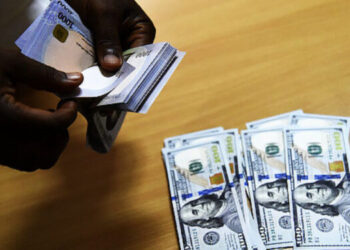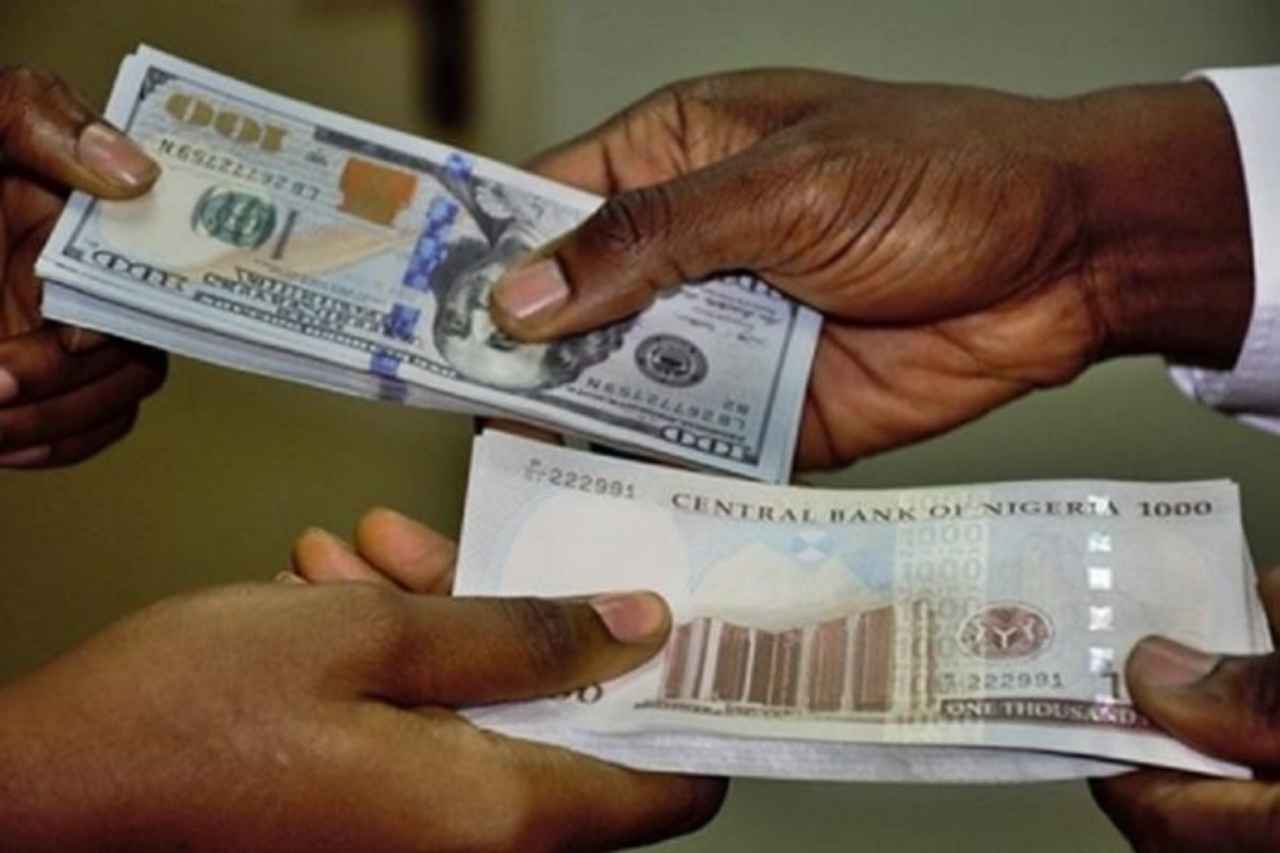
The naira held steady near N1,350 at the official NFEM on Wednesday, even as the parallel market kept a wider premium, a reminder of the two-tier currency system still shaping everyday transactions in Nigeria.
According to the latest figures from the Central Bank of Nigeria, the naira closed at approximately N1,350 per dollar at the NFEM on Monday, August 17, an improvement on the N1,358.25 recorded the previous Friday, August 14.
The NFEM benchmark, it’s worth noting, isn’t a single fixed price but a volume-weighted average drawn from transactions across the formal foreign exchange market, meaning it reflects the balance of actual trading activity rather than a headline rate set by decree.
By midweek, live tracking of the USD/NGN pair put the indicative rate at roughly N1,350.24 to the dollar, though analysts are quick to caution that such intraday feeds sit outside the official NFEM fixing and can drift as trading conditions shift through the day.
Away from the regulated window, street-level dealers told a different story. As of Tuesday, August 18, the dollar was changing hands at roughly N1,405 on the buy side and N1,415 to sell in the parallel or black market.
Do the arithmetic and the gap becomes tangible: someone looking to source $1,000 informally would need to find close to N1.415 million, while a seller offloading the same amount would walk away with about N1.405 million.
That N1,415 selling quote sits roughly N65 above the prevailing official rate, a spread that, while narrower than the chasms Nigeria has seen in past currency crises, still speaks to the structural friction between the country’s formal and informal FX channels.
Traders and analysts point to somewhat improved dollar liquidity and supply conditions as the force behind the naira’s recent firmness at the official window.
Going forward, the currency’s trajectory is likely to hinge on a familiar set of levers: the pace of FX inflows, import demand pressure, crude oil export receipts, portfolio and investment flows, diaspora remittances, and, as ever, the Central Bank’s own policy posture.
For broader context, that N1,350 level places the naira comfortably within the band it has occupied for much of the year. Trading Economics data shows the currency has traded roughly between N1,340 and the low-1,400s since February, a marked contrast to the sharp depreciation and volatility that characterized 2024 and into 2025.
As always with Nigeria’s dual-market setup, the CBN maintains its official position that the parallel market carries no regulatory recognition, and it continues to direct citizens seeking foreign exchange toward licensed, authorized channels.
Parallel-market quotes, meanwhile, remain a moving target shaped by location, individual dealers, and the size of a given transaction, a reminder that the rates reported on any single day are a snapshot, not a fixed price.
WHAT YOU SHOULD KNOW
The naira is holding relatively steady near N1,350/$ at the official market, its firmest level in weeks, but a roughly N65 gap still separates it from the parallel market rate of N1,405–1,415.
Official rate improvement doesn’t erase the dual-market divide, so anyone converting currency should factor in which market they’re actually dealing in, since the price you pay can differ meaningfully depending on the channel used.