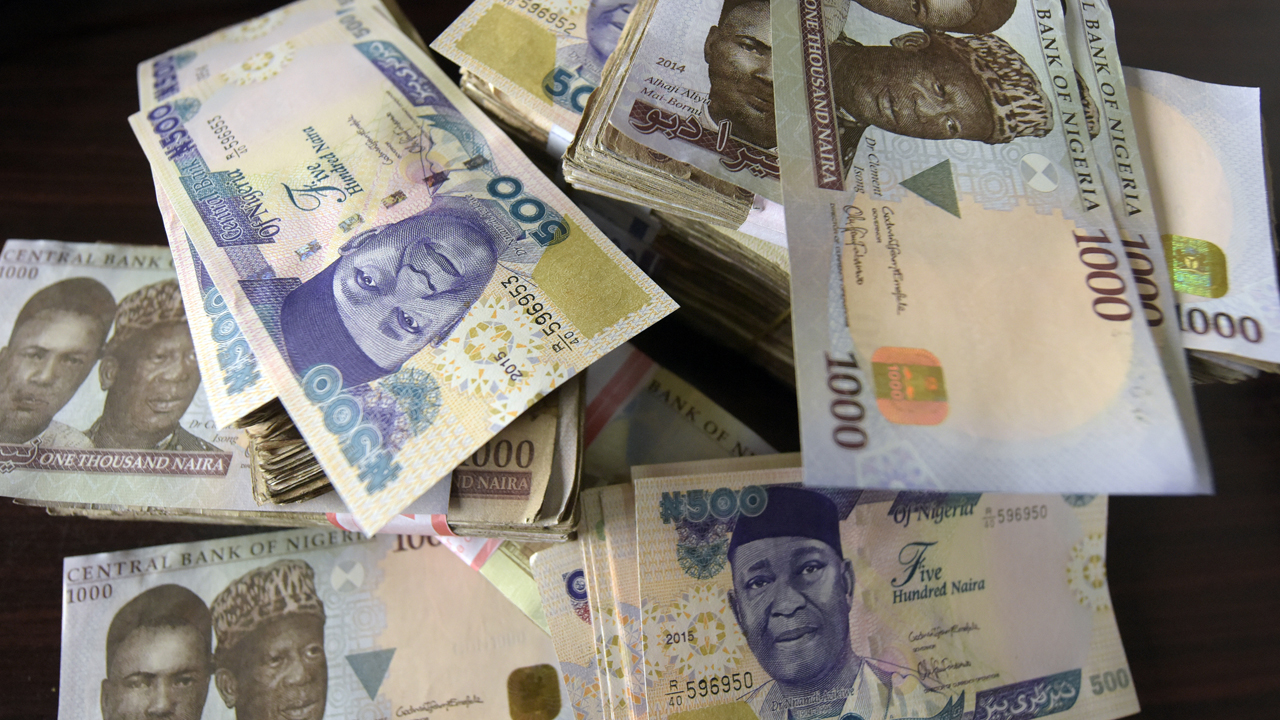
The Nigerian naira has extended its impressive recovery streak against the U.S dollar, closing at N1,455 to the dollar at the Nigerian Foreign Exchange Market (NFEM) on Friday, marking a significant turnaround from the currency’s dismal performance in the first quarter of this year.
Official trading data from the NFEM confirmed the N1,455/$ rate, while parallel market operators—commonly referred to as the black market—quoted rates ranging between N1,460 and N1,470 per dollar, indicating a narrowing gap between official and unofficial channels that market observers say reflects improved confidence in the formal foreign exchange system.
The local currency’s sustained resilience represents a dramatic reversal from the sharp depreciation witnessed in the opening months of 2025, when the naira came under intense pressure amid dwindling foreign reserves and heightened speculation in currency markets.
What’s Behind the Turnaround?
Currency analysts and market watchers have identified several key factors driving what many are calling the naira’s strongest performance of the year. Chief among these is a marked decline in speculative forex trading activities, which had previously fueled artificial demand and exerted downward pressure on the currency.
Equally significant has been the substantial improvement in Nigeria’s foreign reserves position. Central Bank of Nigeria (CBN) Governor Yemi Cardoso recently disclosed that gross external reserves have climbed to $43 billion, up from $40.51 billion recorded at the end of July. This buffer now provides import cover exceeding eight months—a crucial indicator of the country’s ability to meet its foreign exchange obligations.
“The reforms implemented by the Central Bank are clearly bearing fruit,” noted one Lagos-based financial analyst who requested anonymity. “We’re seeing increased confidence from both domestic and international players, and that’s reflected in the stability we’re witnessing.”
Policy Reforms Paying Dividends
The CBN’s comprehensive foreign exchange reforms, introduced under Governor Cardoso’s leadership, appear to be gaining traction across multiple fronts. Strategic interventions through authorized dealers, combined with substantial dollar inflows from International Oil Companies (IOCs) and Foreign Portfolio Investors (FPIs), have created a more liquid and functional forex market.
Market participants point to improved adherence to FX regulations and enhanced transparency in the official market as critical factors that have helped restore investor confidence. The reforms have also succeeded in reducing the premium between official and parallel market rates—a longstanding distortion that previously encouraged round-tripping and other arbitrage activities.
Foreign Investors Return
Perhaps the most encouraging signal of the naira’s recovery has been the renewed interest from foreign portfolio investors, who had largely retreated from Nigerian markets during the currency’s tumultuous period earlier this year. The combination of improved liquidity conditions, a more predictable FX framework, and stabilizing macroeconomic fundamentals has made Nigerian assets increasingly attractive to international capital.
Industry sources indicate that FPI inflows have picked up considerably in recent weeks, providing additional dollar supply to the market and supporting the naira’s appreciation. This vote of confidence from overseas investors represents a crucial validation of the CBN’s policy direction and could signal the beginning of sustained capital inflows if current trends continue.
Challenges Remain
Despite the positive momentum, economists caution that Nigeria’s foreign exchange challenges are far from over. The country’s heavy dependence on oil revenues for dollar earnings means the naira remains vulnerable to fluctuations in global crude prices. Additionally, structural issues, including inadequate export diversification and infrastructure deficits, continue to constrain the economy’s ability to generate sustainable forex inflows.
Nevertheless, for now, the prevailing sentiment in currency markets remains cautiously optimistic, with traders and analysts watching closely to see whether the naira can maintain its current trajectory through the final quarter of 2025.
The CBN has not provided specific guidance on future policy measures, though Governor Cardoso has repeatedly emphasized the apex bank’s commitment to maintaining stability in the foreign exchange market while pursuing broader monetary policy objectives.
WHAT YOU SHOULD KNOW
The Nigerian naira has staged a remarkable comeback in 2025, closing at N1,455/$ and reversing earlier sharp losses. This turnaround is primarily driven by three critical factors: Nigeria’s foreign reserves surging to $43 billion (providing over eight months of import cover), the Central Bank’s successful reforms that have curbed currency speculation and improved market transparency, and renewed foreign investor confidence, bringing fresh capital inflows.
After months of instability, the naira’s recovery reflects genuine improvements in Nigeria’s forex management and economic fundamentals, not temporary fixes. However, the currency’s long-term stability will depend on sustaining these reforms and diversifying the economy beyond oil revenues.
For now, the convergence between official and black market rates signals restored confidence in Nigeria’s foreign exchange system—a positive sign for businesses and investors alike.