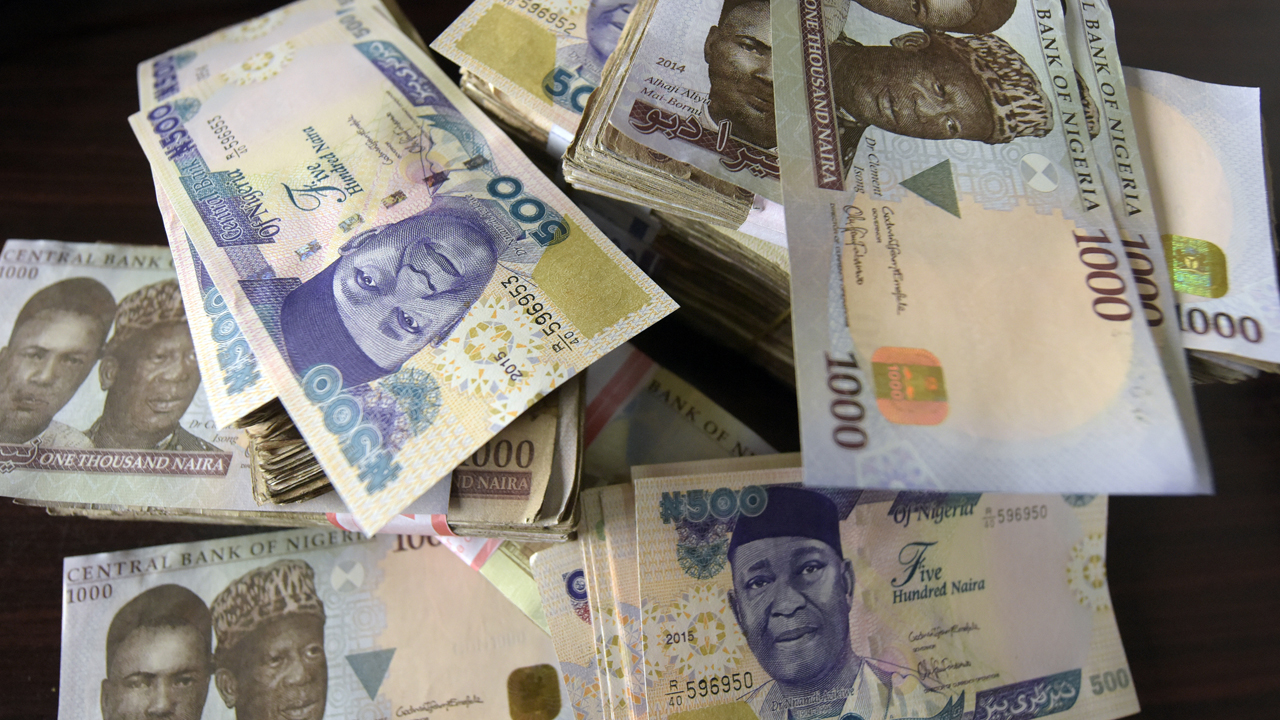
The Nigerian naira demonstrated increased stability across major trading platforms over the weekend, with the currency settling at ₦1,550 against the U.S. dollar in the parallel market while trading at ₦1,536.99 on the official Nigerian Foreign Exchange Market (NFEM).
The convergence between official and unofficial exchange rates has narrowed dramatically, with the spread shrinking from ₦15 to just ₦3.01—a development that monetary policy experts view as a significant indicator of improved market confidence and the effectiveness of recent foreign exchange reforms.
Reserve Accumulation Bolsters Currency Fundamentals
Central Bank of Nigeria (CBN) Governor Olayemi Cardoso reported that the nation’s foreign exchange reserves have reached a four-year high, providing sufficient coverage for up to ten months of imports. This substantial improvement in external buffers has strengthened the naira’s underlying fundamentals and enhanced the central bank’s capacity to defend the currency against speculative attacks.
The reserve accumulation comes as a direct result of comprehensive FX reforms implemented under Cardoso’s leadership, coupled with the federal government’s broader economic restructuring initiatives. These policy interventions have contributed to a notable decline in inflation rates and commodity price pressures, creating a more stable macroeconomic environment.
Domestic Production Gains Momentum
The impact of these reforms extends beyond currency stability, with Nigerian companies reporting improved earnings in recent stock market disclosures. This uptick in domestic production has helped reduce pressure on foreign exchange demand while contributing to lower domestic prices—key factors in maintaining macroeconomic stability.
Industry analysts point to the dual benefit of increased local manufacturing capacity and reduced import dependency as evidence that the government’s economic reforms are gaining traction across multiple sectors.
Policy Outlook and Strategic Focus
Looking ahead, the CBN is expected to maintain its current foreign exchange reform trajectory while the federal government intensifies efforts to diversify revenue streams. Particular emphasis is being placed on maximizing earnings from traditional oil and gas exports while developing non-oil export sectors to reduce the economy’s vulnerability to commodity price volatility.
Global Dollar Dynamics Influence Local Markets
Meanwhile, international factors continue to influence naira performance, with the U.S. Dollar Index stabilizing around 98.40 following recent volatility. The greenback faced marginal pressure after President Donald Trump’s controversial remarks regarding Federal Reserve independence, including his announcement of plans to remove Fed Governor Lisa Cook from her position.
Cook’s defiant response, stating she would not resign and would continue performing her duties, has added uncertainty to Federal Reserve governance and monetary policy direction. This political tension coincides with Fed Chair Jerome Powell’s recent signals at the Jackson Hole symposium, indicating the central bank’s readiness to begin a rate-cutting cycle.
Market Attention Shifts to Key Economic Data
Financial markets are now closely monitoring upcoming U.S. economic releases, particularly Core Personal Consumption Expenditures (PCE) inflation data and GDP figures, which will likely determine the Federal Reserve’s policy timing. A lower-than-expected PCE reading could provide the Fed greater flexibility for September rate cuts, potentially weakening dollar strength and providing additional support for emerging market currencies like the naira.
Current U.S. Treasury yields stand at 3.7 percent for both two-year and ten-year maturities, maintaining attractive levels for foreign investment in dollar-denominated assets.
The interplay between Nigeria’s domestic reforms and global monetary policy shifts will remain critical in determining the naira’s trajectory in the coming months, with market participants closely watching both local economic indicators and Federal Reserve policy signals for direction.
WHAT YOU SHOULD KNOW
The Nigerian naira is showing significant improvement, with the gap between official and black market rates narrowing to just ₦3.01—the smallest spread in years. This progress stems from three critical factors: Nigeria’s foreign reserves hitting a four-year high with 10-month import coverage, successful CBN foreign exchange reforms under Governor Cardoso, and improved domestic production reducing import pressure.
The government’s economic restructuring is working, as evidenced by better corporate earnings and declining inflation. However, the naira’s future performance will largely depend on global factors, particularly U.S. Federal Reserve policy decisions and dollar strength.