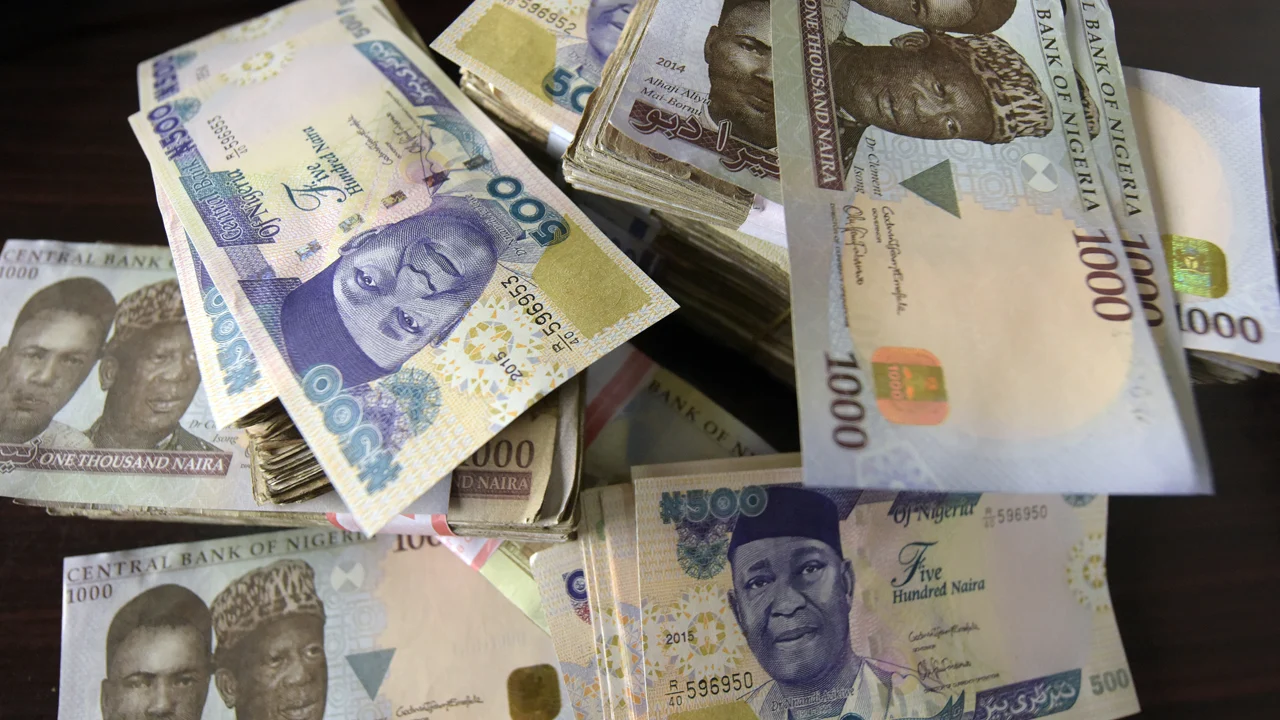
The Nigerian naira posted a modest gain against the dollar on Monday, opening February trading at ₦ 1,384.5 to the dollar at the official foreign exchange market, in what analysts are describing as a cautiously optimistic start to the month.
The appreciation, confirmed by data released on the Central Bank of Nigeria’s website, represents a strengthening from the ₦ 1,391 rate recorded on the final trading day of January, suggesting renewed stability in Africa’s largest economy as it navigates persistent foreign exchange challenges.
More significantly, the naira’s performance marks a substantial year-on-year improvement. At the start of February 2025, the currency languished at approximately ₦ 1,500 to the dollar on the official market—a stark contrast to this year’s opening position and a reflection of the considerable ground Nigeria’s monetary authorities have gained in their efforts to stabilize the exchange rate.
Perhaps the most encouraging development for policymakers and market participants alike is the continued convergence between official and parallel market rates—a longstanding indicator of foreign exchange market health in Nigeria.
Data reveals that the parallel market, often referred to as the “black market,” opened February trading with the naira exchanging at ₦ 1,453 to the dollar. This represents a gap of just ₦ 62 between the two markets, a notable improvement from the ₦ 68 spread recorded at January’s close.
The progress becomes even more apparent when compared with February 2025, when the parallel market saw the naira trading as weak as ₦ 1,620 to the dollar, creating a chasm of ₦ 111 between official and unofficial rates. Such wide disparities typically signal market distortions, capital flight concerns, and diminished confidence in official channels.
“The narrowing spread suggests we’re seeing better price discovery and improved market alignment,” said one senior forex analyst who requested anonymity given the sensitivity of currency matters. “It’s a sign that the various reforms and interventions are gaining some traction, though it’s too early to declare victory.”
Looking beyond daily fluctuations, the broader picture reveals a markedly different landscape from twelve months ago. Throughout February 2025, the naira consistently traded above the ₦ 1,500 threshold at the official market, buffeted by volatility that reflected deeper structural challenges in Nigeria’s foreign exchange management and oil revenue dynamics.
The current opening levels—both official and parallel—indicate what market observers are calling a “comparatively stronger starting position,” though they’re quick to temper enthusiasm with realism about ongoing vulnerabilities.
Despite the improved metrics, seasoned market watchers caution that significant risks continue to loom over the naira’s trajectory. Demand pressures remain elevated, driven by Nigeria’s import-dependent economy and limited forex generation outside the oil sector.
External shocks—whether from volatile global oil prices, shifts in monetary policy by major central banks, or geopolitical disruptions—could quickly reverse recent gains. Nigeria’s foreign exchange reserves, while improved from crisis levels, remain vulnerable to sudden capital outflows or commodity price swings.
The Central Bank of Nigeria, under its current leadership, has implemented a series of reforms aimed at unifying the exchange rate system and improving transparency in forex allocation. While Monday’s figures suggest these efforts are bearing some fruit, the cautious response from market participants underscores that sustainable stability will require continued policy discipline and structural economic reforms.
For now, Nigeria’s currency begins February on firmer ground than many anticipated—a development that offers a measure of relief to businesses, importers, and ordinary Nigerians grappling with the cost-of-living pressures that currency depreciation inevitably brings.
Whether this stability proves durable will likely depend on factors far beyond daily trading patterns, including oil production levels, portfolio investor sentiment, and the government’s broader economic management.
WHAT YOU SHOULD KNOW
Nigeria’s naira opened in February 2026 at ₦ 1,384.5, showing significant improvement from the ₦1,500 rate a year earlier.
Most importantly, the gap between official and parallel market rates has narrowed dramatically to just ₦62—down from ₦111 in February 2025—signaling better market alignment and reduced currency distortions.
While this represents meaningful progress in forex stability, the gains remain fragile and vulnerable to external shocks and persistent demand pressures. The improvement offers cautious optimism, but sustained stability will require continued policy discipline and structural reforms.