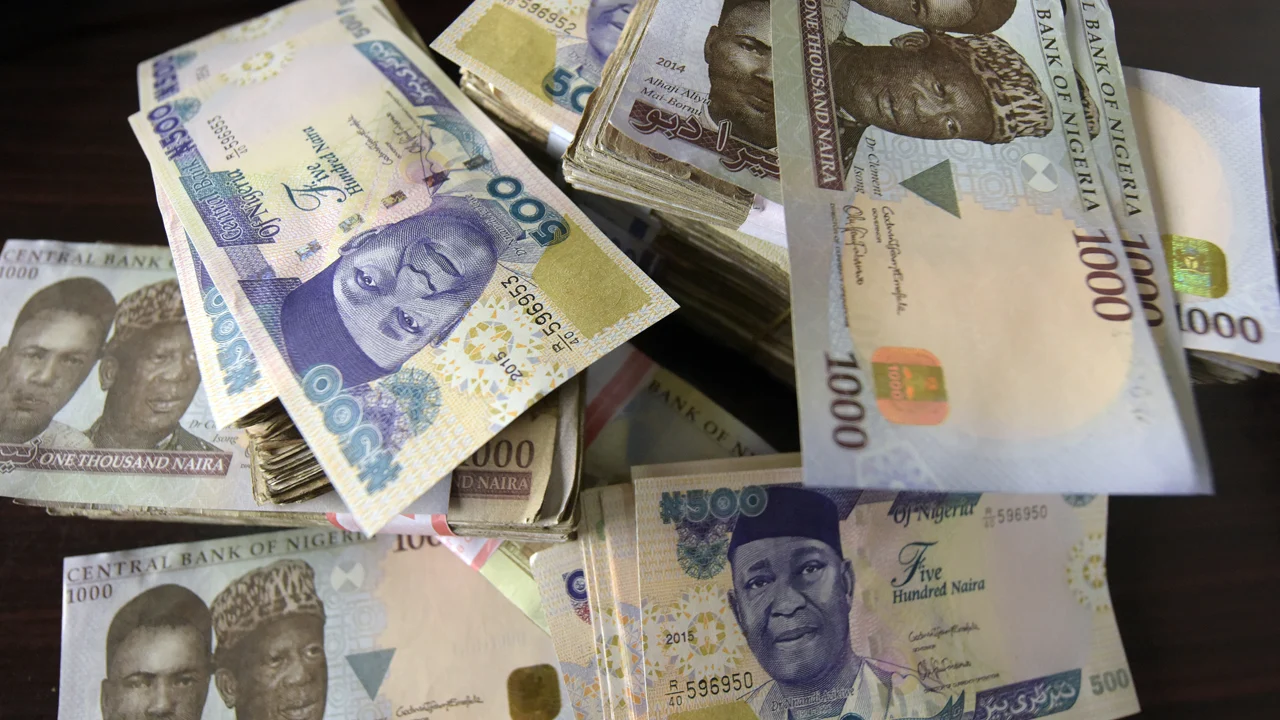
Nigeria’s naira continued its upward trajectory on Thursday, appreciating to N1,385 against the US dollar in the official market, marking the latest chapter in a sustained rally that has seen the currency gain ground both on global dollar weakness and significant domestic policy interventions.
According to data released by the Central Bank of Nigeria, the local currency demonstrated robust intraday performance in the Nigerian Foreign Exchange Market, with the naira touching an impressive high of N1,367 per dollar during Thursday’s trading session. While the currency weakened to around N1,400 at its lowest point, it ultimately settled near N1,385 — a notable improvement from Wednesday’s closing rate of N1,394.
The strengthening naira reflects a confluence of favorable external conditions and deliberate structural reforms that appear to be reshaping Nigeria’s foreign exchange landscape after years of volatility and chronic dollar shortages.
A significant driver behind the naira’s recent performance has been the broad-based weakening of the US dollar in international markets. The greenback has come under sustained pressure as investor sentiment shifts in response to evolving expectations around American monetary policy and fiscal developments.
Market analysts point to several key factors weighing on dollar demand: easing concerns about aggressive interest rate hikes by the Federal Reserve, growing optimism that Washington will avert a government shutdown, and speculation surrounding potential leadership changes at the US central bank following reports that President Donald Trump may soon announce his nominee to lead the Federal Reserve.
Adding to the dollar’s woes, softer inflation readings from major economies, including Japan, have prompted investors to reassess their positioning in safe-haven assets, reducing the appeal of holding dollars. While the greenback staged a modest recovery later in the week, the overall trend in global currency markets has remained tilted toward dollar weakness — a dynamic that has provided crucial support to emerging market currencies like the naira.
Beyond favorable global conditions, the naira’s recent strength also reflects tangible progress in Nigeria’s efforts to reform its foreign exchange management framework and restore confidence in the official market.
Central to these improvements has been enhanced FX liquidity, driven by stronger inflows from multiple sources, including export revenues, diaspora remittances, and other financial channels. These increased dollar inflows have substantially improved availability in the market, reducing the scarcity premium that has historically plagued the naira.
Nigeria’s external reserves position has also strengthened, providing the CBN with greater firepower to intervene when necessary and manage exchange rate volatility. This reserve cushion has proven critical in maintaining market stability and reinforcing investor confidence.
Perhaps most significantly, structural reforms such as the implementation of the Electronic Foreign Exchange Matching System (EFEMS) have brought greater transparency and accountability to FX transactions. By improving market governance and reducing opportunities for arbitrage and rent-seeking behavior, these reforms have helped narrow the historically wide gap between official and parallel market exchange rates — a persistent source of distortion in the Nigerian economy.
Thursday’s trading patterns suggest that the improvements in the official FX market may have legs. The sustained intraday strength and reduced volatility point to a more balanced supply-demand dynamic, with increased dollar availability alleviating some of the intense pressure that has characterized the market in recent years.
However, seasoned observers of Nigeria’s foreign exchange markets caution that the true test of these gains will come in the months ahead. The naira’s performance will ultimately depend on whether dollar inflows remain robust, whether the CBN maintains its reform momentum, and how global currency markets evolve as major central banks navigate an uncertain economic landscape.
For now, though, the convergence of favorable global conditions and domestic policy progress has provided Nigerian businesses and consumers with a welcome respite from the currency instability that has complicated economic planning and eroded purchasing power in Africa’s largest economy.
The CBN has not issued an official statement on Thursday’s market performance, but the central bank’s ongoing commitment to market-based exchange rate determination and FX market transparency appears to be yielding measurable results.
WHAT YOU SHOULD KNOW
Nigeria’s naira has strengthened to N1,385 per dollar, driven by two critical factors: a weakening US dollar in global markets due to shifting Federal Reserve expectations and improved domestic FX liquidity resulting from the Central Bank’s transparency reforms, particularly the Electronic Foreign Exchange Matching System.
Nigeria’s currency gains reflect not just favorable external conditions, but tangible progress in structural reforms that are improving dollar availability and narrowing the gap between official and parallel market rates—suggesting these improvements may prove more sustainable than previous short-lived rallies.