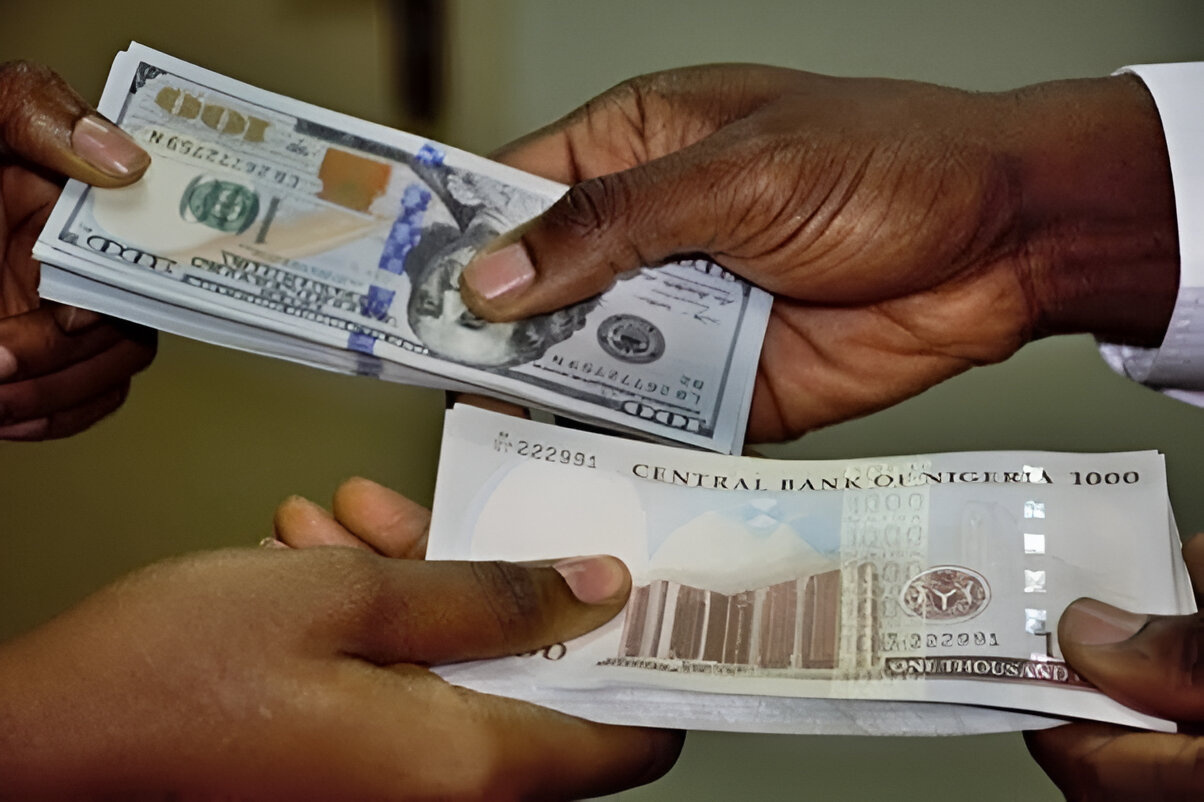
The Nigerian naira staged a notable recovery in the official foreign exchange market, closing the week at ₦1,363.5 per US dollar on Friday, March 13, 2026, according to data tracked from the Central Bank of Nigeria (CBN) website.
This closing rate marked a significant rebound from the week’s early turbulence, when the currency suffered a sharp depreciation, plummeting to a low of ₦1,425 per dollar on Monday, March 9. That level represented the naira’s weakest official closing since January 12, 2026, and underscored renewed pressure on the currency amid heightened dollar demand at the start of the trading week.
The turnaround began in earnest on Tuesday, March 10, with the naira appreciating to ₦1,390.5 per dollar. Momentum built through the week: Wednesday saw it strengthen further to ₦1,373.5, Thursday brought a modest gain to ₦1,370, and Friday’s close at ₦1,363.5 delivered a cumulative recovery of more than ₦60 (roughly 4.2%) from Monday’s trough over just four trading days.
The week’s performance contrasted sharply with the relative calm observed in the preceding week (ending March 6, 2026), when the naira fluctuated within a narrower range.
It opened that prior week at around ₦1,376, drifted to ₦1,390 mid-week, strengthened slightly to ₦1,382.65 by Wednesday, hovered near ₦1,388 on Thursday, and closed marginally weaker at ₦1,398 on Friday. That tighter band suggested a period of improved stability—until the abrupt early-week slide disrupted the pattern.
Market observers attribute the naira’s rebound to improving supply conditions in the foreign exchange market. After initial demand pressures eased—possibly linked to seasonal corporate obligations, repatriation flows, or reduced speculative activity—the availability of dollars through the Nigerian Foreign Exchange Market (NFEM) supported the recovery.
CBN interventions, consistent liquidity provision to authorized dealers, and broader external factors such as rising external reserves (recently crossing key psychological thresholds in some reports) likely played supporting roles in stabilizing sentiment.
While the official window showed this clear upward trajectory by week’s end, the naira’s path remains volatile in Nigeria’s multi-tiered forex landscape. The recovery is encouraging for importers, businesses reliant on foreign inputs, and households facing imported inflation, but analysts caution that sustained gains will depend on continued improvements in dollar inflows—from oil revenues, diaspora remittances, foreign investment, and any further policy measures by the apex bank.
For now, Friday’s close at ₦1,363.5 offers a measure of relief after the week’s rocky start, signaling that the official market may be regaining its footing amid ongoing efforts to anchor currency stability in Africa’s largest economy.
Traders and policymakers will watch closely in the coming sessions for signs of whether this rebound can hold or if fresh pressures could once again test the naira’s resilience.
WHAT YOU SHOULD KNOW
The Nigerian naira staged a strong recovery in the official forex market last week, closing at ₦1,363.5 per dollar on Friday after hitting a low of ₦1,425 earlier in the week.