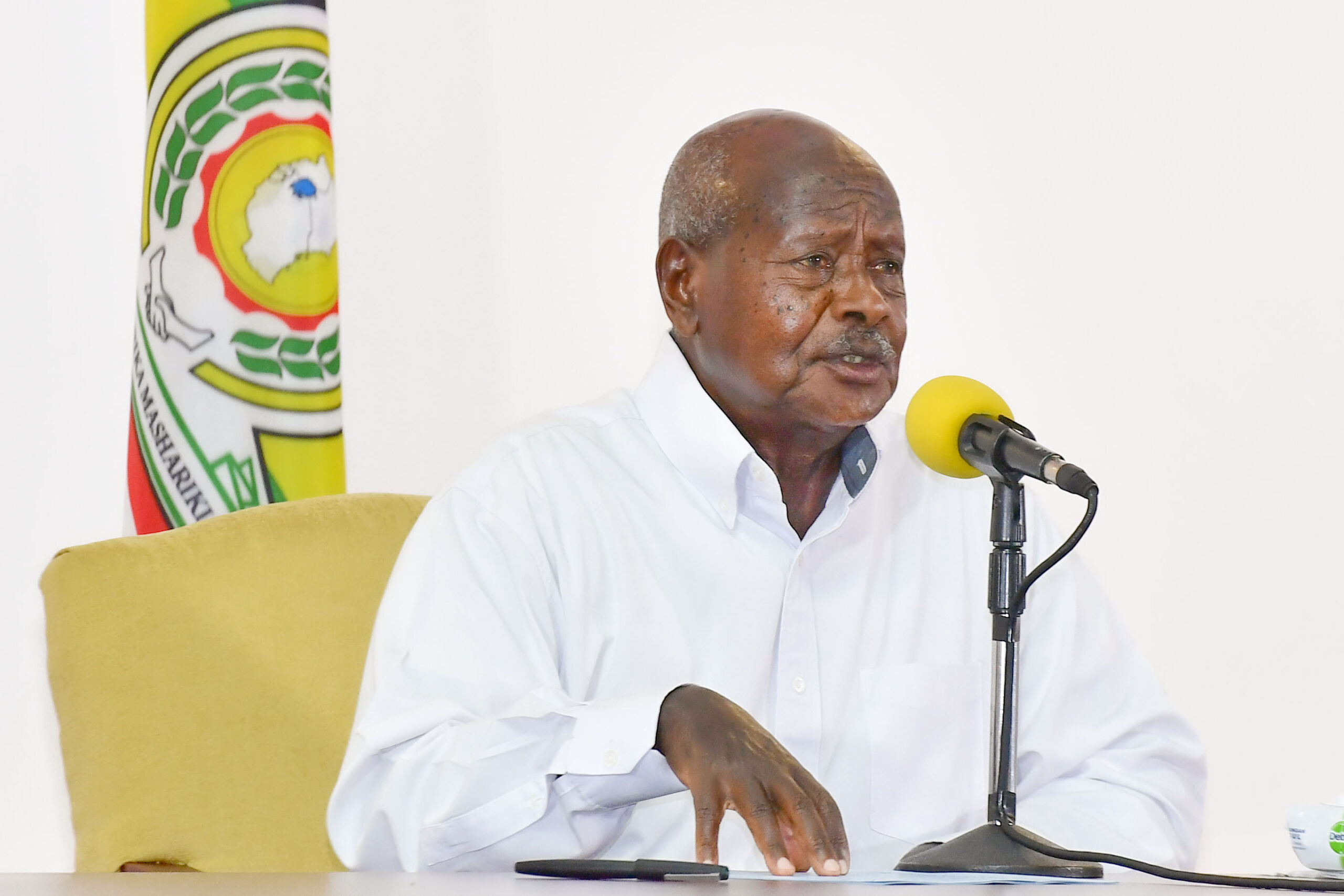
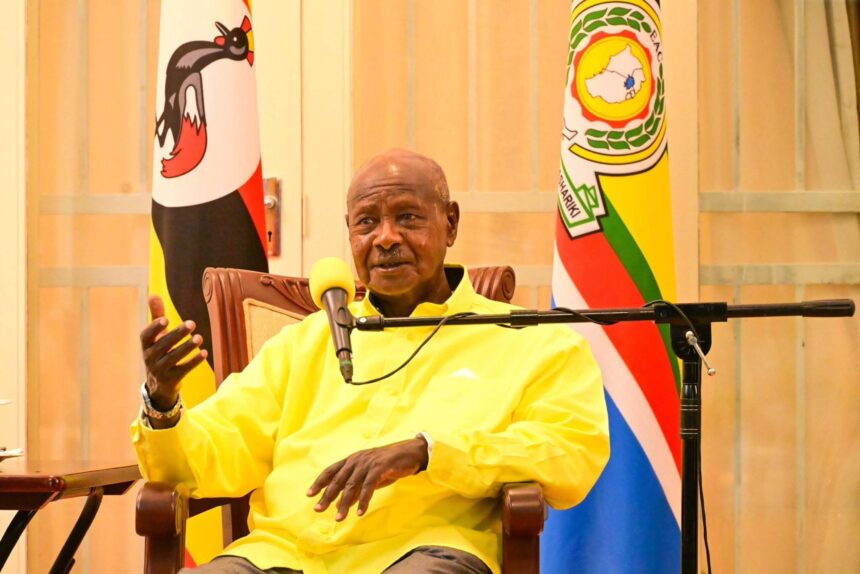
Ugandan President Yoweri Museveni has secured a seventh term in office following an election marked by violence, arrests and a nationwide internet shutdown, with African observers warning that intimidation and abductions had “instilled fear” among voters and political actors.
The 81-year-old leader was declared winner of Thursday’s presidential poll with 71.65 percent of the votes, according to figures released on Saturday by the Electoral Commission.
The announcement came amid reports of at least 10 deaths linked to the election, alongside widespread allegations of harassment directed at opposition supporters and civil society groups. The result extends Museveni’s rule of the East African nation to more than four decades.
Museveni defeated his closest challenger, Bobi Wine, who garnered 24.72 percent of the vote. Wine, a 43-year-old former pop star turned politician, said on Saturday that he had gone into hiding after security forces raided his residence. Since joining politics, Wine has faced sustained pressure from authorities, including repeated arrests ahead of his first presidential bid in 2021.
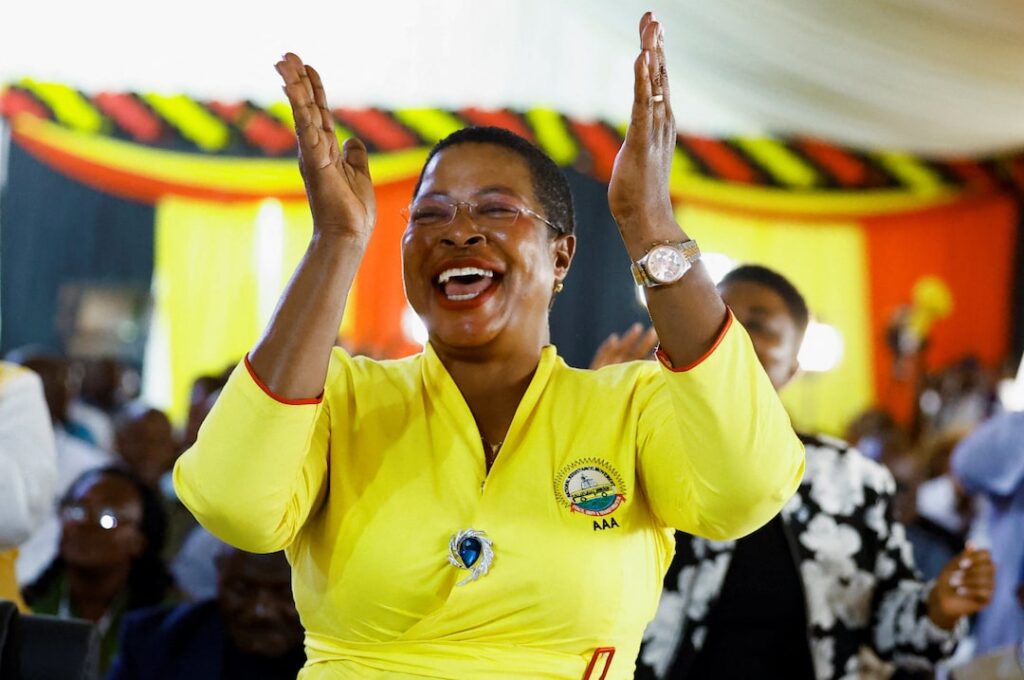
The opposition leader rejected the outcome of the election, describing the results as illegitimate, and said he narrowly escaped arrest following the raid on his home late Friday. “I want to confirm that I managed to escape from them,” Wine wrote on X on Saturday, adding, “Currently, I am not at home, although my wife and other family members remain under house arrest.”
“I know that these criminals are looking for me everywhere and I am trying my best to keep safe,” he added.
AFP journalists reported a heavy security presence across Kampala as authorities moved to prevent protests similar to those recently witnessed in neighbouring Kenya and Tanzania.
‘A lot of fear’
Police denied carrying out a raid on Wine’s residence, insisting instead that they had restricted access to certain areas they considered sensitive. They also maintained that the opposition figure was still at home.
“We have not necessarily denied people accessing him but we cannot tolerate instances where people use his residence to gather and… incite violence,” police spokesman Kituuma Rusoke told reporters.
However, residents living near Wine’s home described a tense atmosphere. Prince Jerard, a 29-year-old stall owner, told AFP that he heard both a drone and a helicopter hovering over the residence on Friday night and saw numerous security operatives in the area.
“Many people have left (the area),” he said. “We have a lot of fear.”
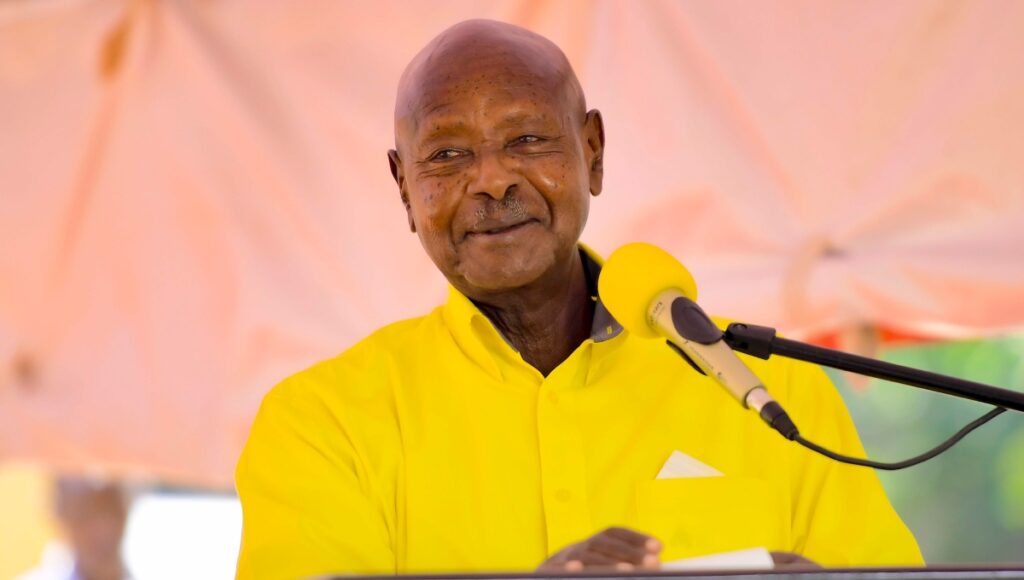
Wine, whose birth name is Robert Kyagulanyi, has in recent years emerged as the most formidable political rival to Museveni, branding himself the “ghetto president” in reference to his upbringing in Kampala’s poorer neighbourhoods. He accused the authorities of “massive ballot stuffing” and alleged that several officials from his party were attacked during the internet blackout, which was imposed before the vote and remained in effect on Saturday.
African election observers said they found no proof of ballot manipulation but raised alarm over “reports of intimidation, arrest and abductions” targeting opposition figures and civic groups. According to them, these actions “instilled fear and eroded public trust in the electoral process.”
Former Nigerian president Goodluck Jonathan, speaking in Kampala as head of observer missions from the African Union and regional blocs COMESA and IGAD, said the internet shutdown “disrupted effective observation” and “increased suspicion,” although he noted that voting on election day itself was largely calm.
Reports of violence
Provisional parliamentary results showed Museveni’s National Resistance Movement with a commanding lead, while vote counting was still underway. Political analysts have long viewed the election as largely predetermined, given Museveni’s grip on state institutions and the security apparatus.
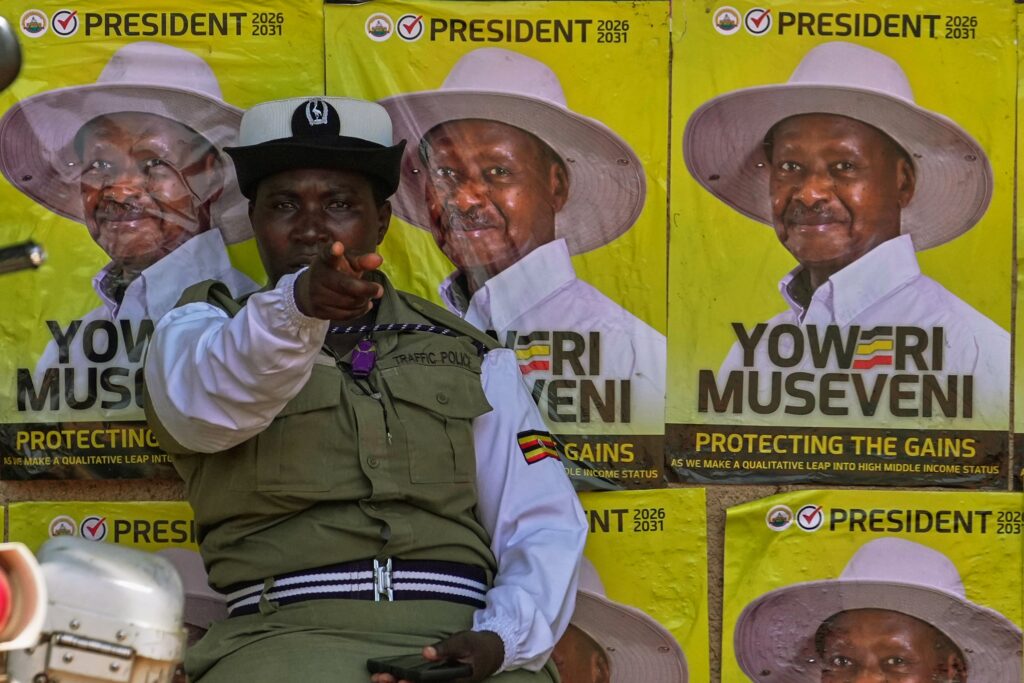
The veteran leader, who came to power in 1986 after a guerrilla war, has consistently neutralised political threats throughout his tenure. Another prominent opposition figure, Kizza Besigye, who previously contested the presidency four times, was abducted in Kenya in 2024 and returned to Uganda, where he is currently facing a treason trial in a military court.
There were also reports of deadly violence linked to the polls. Muwanga Kivumbi, a lawmaker from Wine’s party representing Butambala in central Uganda, told AFP that security forces killed 10 of his campaign agents after storming his home. Police offered a different version of events, saying an “unspecified number” of individuals had been “put out of action” after opposition members allegedly attempted to attack and burn a tally centre and police station.
What you should know
Uganda’s latest election underscores long-standing concerns about democratic space under President Yoweri Museveni’s rule.
While official results handed him another decisive victory, the process was clouded by reports of violence, intimidation and restrictions on communication through an internet blackout. Opposition figures, especially Bobi Wine, continue to allege repression and electoral manipulation, while observers point to fear and distrust surrounding the polls.
The outcome highlights the deep imbalance of power between the ruling establishment and challengers, raising renewed questions about political freedoms, accountability and the future of democratic governance in Uganda.