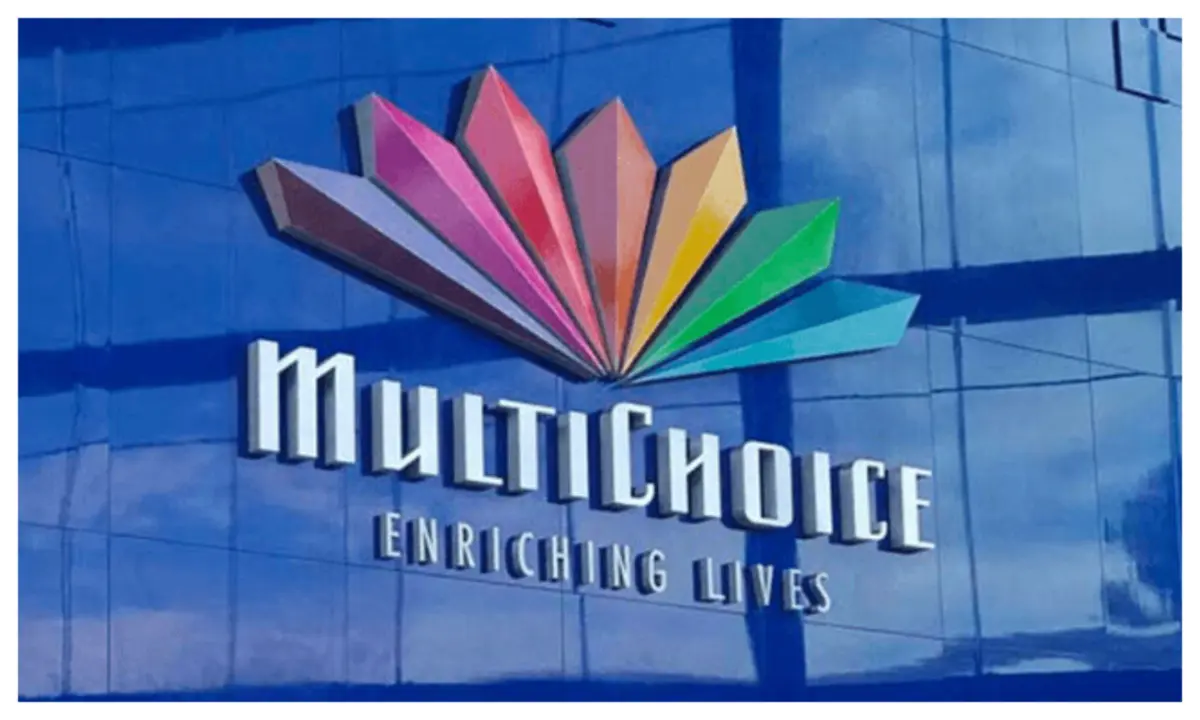
A high-stakes regulatory battle between Ghana’s government and pay-TV giant MultiChoice has taken a dramatic turn, with the company flatly contradicting Communications Minister Sam George’s announcement that it had agreed to reduce DStv subscription prices.
The dispute, which has been brewing for over a month, reached a crescendo on Friday when Minister George declared victory at a press conference, announcing that “MultiChoice Ghana has agreed to reduce its subscription prices following intense regulatory pressure.” However, within hours, MultiChoice Group denied agreeing to a price reduction of DStv services in Ghana, contrary to the announcement made by Samuel Nartey George.
This contradiction has transformed what appeared to be a breakthrough into a potentially explosive regulatory confrontation that could reshape Ghana’s pay-TV landscape.
The Regulatory Gauntlet
The current standoff represents the culmination of an aggressive government campaign that began in early August, when authorities issued an ultimatum demanding a 30% price cut by August 7 or face suspension of their broadcasting license. The directive came with teeth—a daily fine of GHS 10,000 for non-compliance, which George confirmed has already accumulated to approximately GHS 150,000 over 24 days.
The government’s case rests on compelling economic fundamentals. Ghana’s cedi has emerged as one of 2025’s strongest currencies, appreciating 40% against the US dollar—a remarkable turnaround that officials argue should translate into lower consumer prices. The pricing disparity is stark: Ghanaians pay $83 for premium bouquets compared to just $29 in Nigeria, despite Ghana’s stronger economic position.
Minister George’s frustration was evident as he outlined the protracted negotiations: “MultiChoice offered to freeze current subscription rates and suspend repatriation of earnings to its headquarters, but the minister rejected the proposal, insisting on a price adjustment to reflect fair regional pricing and currency appreciation.”
A Committee Under Pressure
Despite MultiChoice’s denial, George announced the formation of a high-level pricing review committee, which he will personally chair. The committee includes representatives from the Ministry of Communication, the National Communications Authority (NCA), and both MultiChoice Ghana and MultiChoice Africa. The Working Committee has until September 21, 2025, to recommend a pricing framework.
The timeline itself became a point of contention. While MultiChoice requested a 30-day review period, George insisted on just 14 days, declaring, “MultiChoice has requested a 30-day window for the committee to arrive at what percentage of reduction will be achieved. I believe, as minister, that we do not need 30 days. 14 days is enough for us to reach this decision, inclusive of weekends.”
The Broader Stakes
This confrontation extends far beyond subscription prices, touching on issues of regulatory sovereignty, market fairness, and corporate accountability in emerging markets. Ghana’s aggressive stance sends a clear signal to multinational companies operating across Africa: local economic conditions and currency strength must be reflected in consumer pricing.
For MultiChoice, the implications are significant. Ghana represents a crucial market in its African operations, and any precedent set here could influence regulatory approaches in other jurisdictions where the company operates. The firm has consistently argued that its pricing reflects operational costs and service quality, maintaining that reductions would compromise service delivery.
An Uncertain Resolution
With MultiChoice categorically denying any agreement and the minister insisting on rapid implementation, the stage is set for an unprecedented regulatory showdown. The accumulated fines alone represent substantial financial pressure, while the threat of license suspension hangs over the company’s operations.
Tensions suggest regulatory enforcement could be triggered sooner if consensus fails, indicating that the September 21 deadline may prove optimistic. As both sides dig in, Ghanaian consumers remain caught in the middle of a dispute that will likely determine the future relationship between global media companies and African regulatory authorities.
The coming days will reveal whether this represents a genuine breakthrough in consumer protection or the beginning of a prolonged legal and regulatory battle that could reshape Ghana’s broadcasting landscape.
WHAT YOU SHOULD KNOW
The Ghana-MultiChoice dispute has reached a critical impasse. While Communications Minister Sam George announced that MultiChoice agreed to reduce DStv subscription prices, MultiChoice immediately denied making any such agreement, creating a direct contradiction that threatens to escalate the month-long standoff.
Ghanaians pay $83 for premium DStv compared to $29 in Nigeria, despite Ghana’s cedi strengthening 40% against the dollar in 2025. The government demands a 30% price cut; MultiChoice refuses, claiming it’s unfeasible.
MultiChoice faces accumulated fines of GHS 150,000 and potential broadcasting license suspension. A government committee has until September 21 to resolve the pricing dispute, but with both sides now contradicting each other publicly, this regulatory battle could set a precedent for how multinational companies price services across Africa.