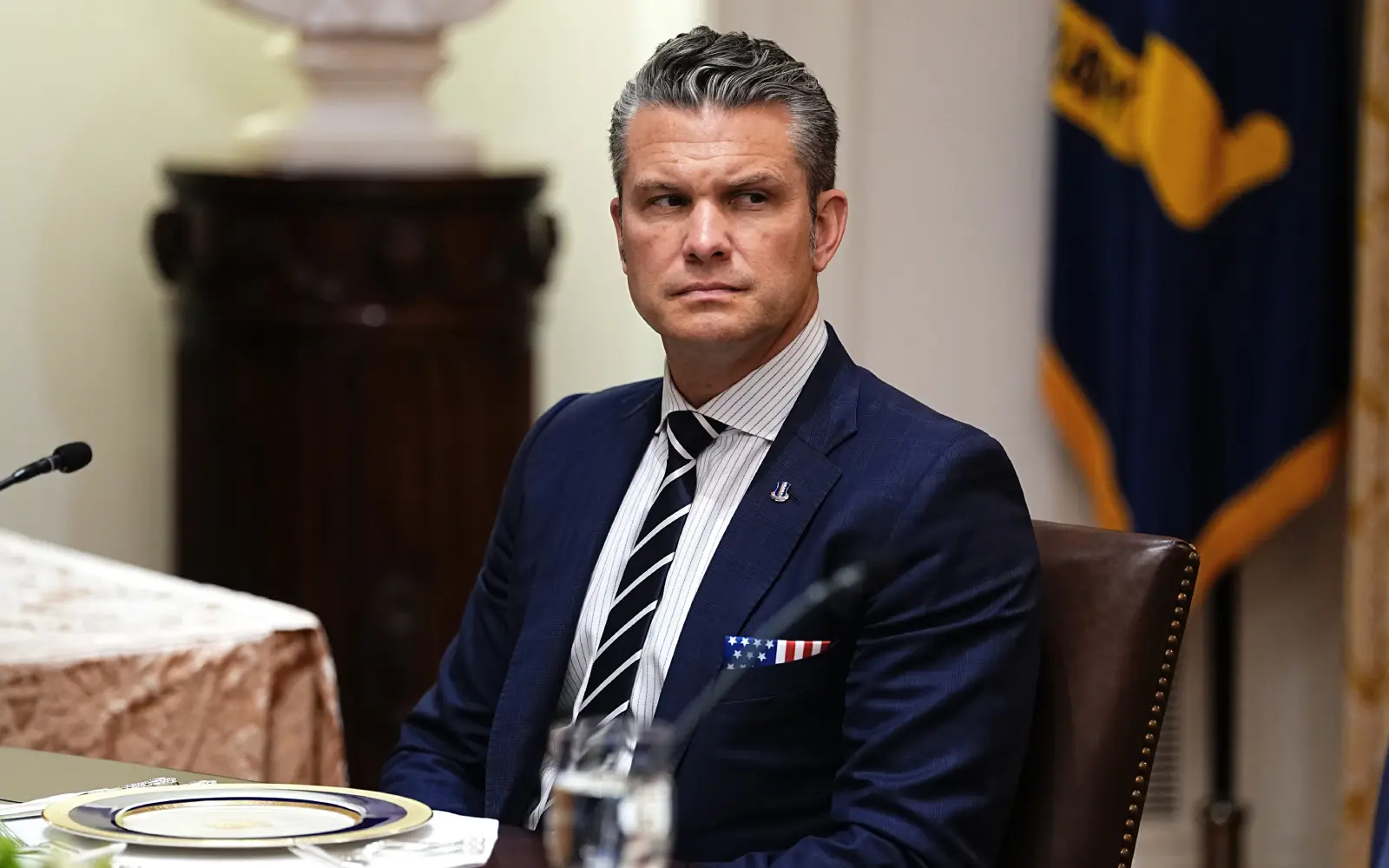
US Defense Secretary Pete Hegseth is facing intensifying criticism as controversies tied to strikes on supposed drug-smuggling vessels and his use of the Signal messaging app for sensitive military discussions continue to grow, prompting renewed calls for him to step aside.
Hegseth, a former Army National Guard major who transitioned from Fox News co-host to the head of the US military, has often been surrounded by controversy, and his Senate confirmation earlier this year only narrowly succeeded.
The uproar over the operations targeting alleged narcotics traffickers, especially a case in which individuals who survived the initial strike were later killed, combined with revelations that he used the Signal app to talk about a pending operation in Yemen, has fueled bipartisan concern.
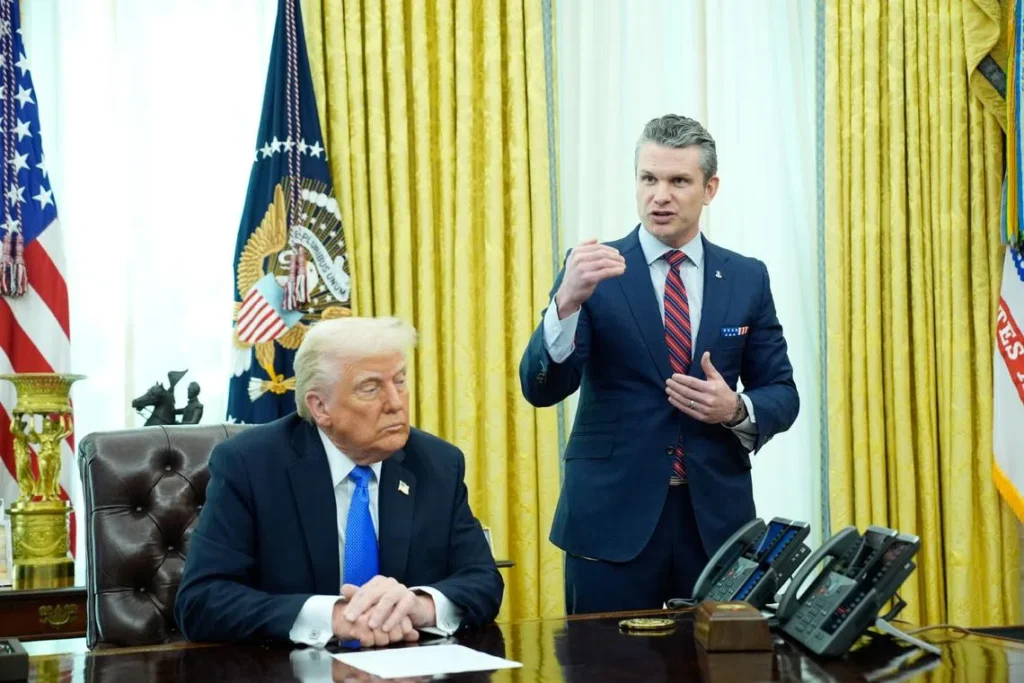
“He’s in another difficult position. In fact, his two big problems have now merged,” said Mark Cancian, a retired Marine colonel and senior advisor at the Center for Strategic and International Studies.
“But he seems to retain (US President Donald) Trump’s confidence, even as he’s lost support of some Republicans. So I don’t think he’s in… (a) fatal situation,” Cancian added.
Jim Townsend, who previously served as deputy assistant secretary of defense for European and NATO policy during the Obama administration, said Hegseth is “on thin ice,” stressing that Trump now has “a secretary of defense that is giving him lots of headaches.”
Townsend noted that Hegseth is unlikely to be dismissed immediately but warned that if an event arises that “really riles up the Republican Party” or causes significant embarrassment for Trump’s Make America Great Again movement, “they’ll probably try to move him somewhere else.”
Hegseth had already faced scrutiny during his confirmation process for accusations of financial mismanagement at veterans’ nonprofits he once worked with, reports of heavy drinking, and allegations of sexual assault in California.
His tenure has continued to draw controversy, most notably in connection with mid-March strikes on Yemen.
The Atlantic revealed that its editor-in-chief was mistakenly added to a Signal group chat where senior officials, including Hegseth, discussed the upcoming mission.
The defense secretary reportedly sent messages about the timing of the strikes several hours before they occurred, along with details about aircraft and missile involvement.
The Pentagon’s independent inspector general later determined in a report released Thursday that Hegseth’s actions could have caused “potential harm to US pilots.”
Another major controversy centers on a September 2 strike on a boat suspected of drug trafficking in the Pacific Ocean. After the initial attack left survivors, a second strike killed the remaining two individuals.
Hegseth and the White House have maintained that the decision to carry out the second strike was made by operational commander Admiral Frank Bradley, not by the defense secretary himself.
Lawmakers were briefed this week on Capitol Hill and shown extended classified video footage of the operation, far longer than the snippet released publicly, but opinions remain divided over whether the follow-up strike was justified.
The video depicted “the United States military attacking shipwrecked sailors, bad guys, bad guys, but attacking shipwrecked sailors,” said Democratic Representative Jim Himes.
In contrast, Republican Senator Tom Cotton defended all four strikes as “entirely lawful and needful,” arguing that the survivors were attempting to flip the drug-laden vessel upright and “stay in the fight.”
Some Democratic lawmakers have openly called for Hegseth’s resignation or removal over both the strike controversy and the Signal revelations. Still, his position appears stable for now.
Cancian noted, however, that another major scandal could shift the White House’s stance.
“If there’s maybe another one after this…the White House might lose its patience,” he said, describing the existing controversies as “very embarrassing.”
What You Should Know
Pete Hegseth, the current US defense secretary, is confronting growing backlash over his involvement in controversial military actions and the mishandling of sensitive information.
His use of Signal for operational discussions and the disputed strikes on alleged drug boats have drawn criticism from lawmakers across the political spectrum. While President Trump continues to back him, divisions within his own party have fueled questions about his long-term stability in the role.
The situation reflects broader tensions around military decision-making, accountability, and the political implications of defense leadership during high-stakes operations.