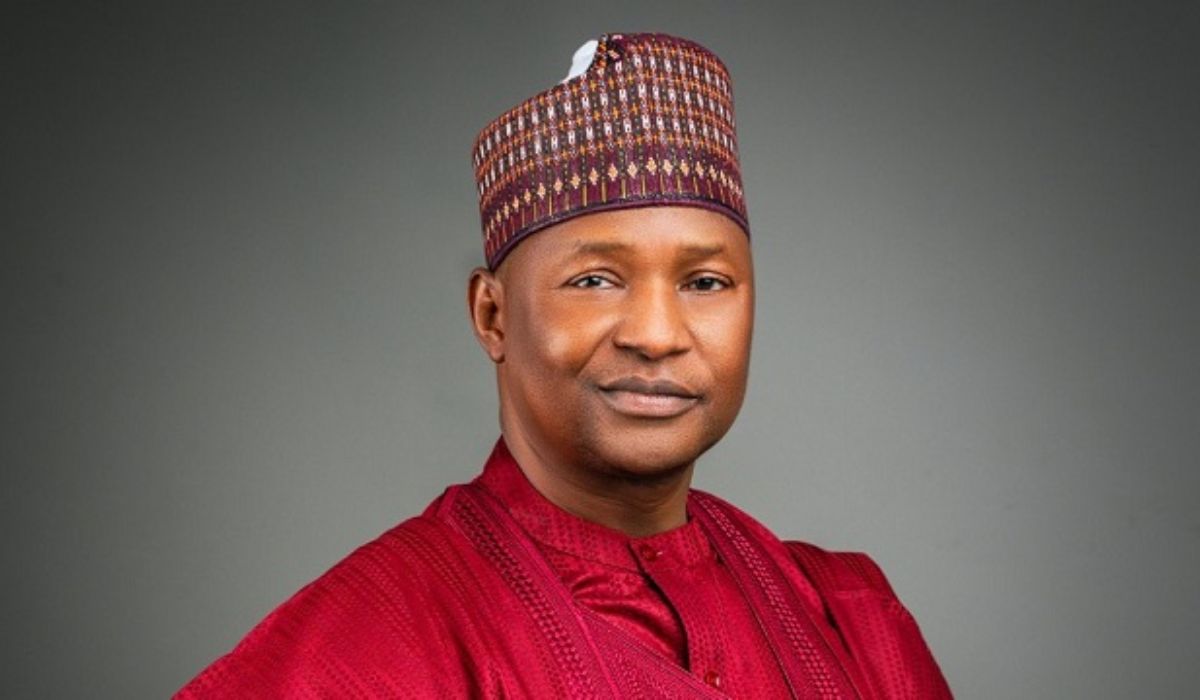
Former Attorney General and Minister of Justice, Abubakar Malami, has become the centre of one of Nigeria’s most talked-about legal dramas.
His case, blending allegations of corruption, terrorism links, and security concerns, has captured public attention and sparked debates about law, politics, and media responsibility.
Malami was first charged by the Economic and Financial Crimes Commission (EFCC) for allegedly laundering around ₦8.7 billion through property and corporate deals.
His wife and son are also implicated. After meeting bail conditions set by the Federal High Court in Abuja, he was released from Kuje Correctional Centre.
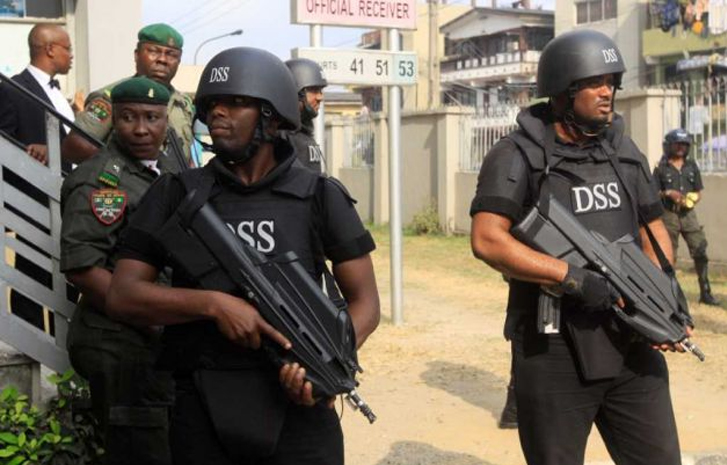
Soon after, however, he was re-arrested by the Department of State Services (DSS) on new allegations involving terror financing and illegal arms possession connected to his properties.
Alleged Rights Violations
At the heart of the controversy is Malami’s claim that his constitutional rights are being violated.
In a statement released by his media aide, he alleged he has been denied access to his family and legal team and described media coverage of his case as a “media trial,” warning that the public is being led to assume his guilt before a court decision.
His lawyers insisted that no official evidence of arms or terror financing has been presented in court.
Legally, this raises questions about due process. Even in security-sensitive investigations, suspects have the right to legal representation and contact with family.
Malami, as one of Nigeria’s top legal minds, adds another layer of importance to the proper handling of his case.
Political Implications
The case also carries strong political undertones.
Accusations of terror financing and illegal arms touch sensitive areas of national security, and high-profile arrests often fuel speculation about internal government power struggles.
Malami’s public defence shows he is aware of how the case plays out in the political and public eye.
Possible Outcomes
Several outcomes are possible. Malami could remain in DSS custody if the court agrees further investigation is needed, or he might face formal terror-financing charges in addition to the money-laundering case.
If evidence is weak, courts could dismiss charges or reject DSS’s detention request.
Behind-the-scenes negotiations or plea agreements are also a possibility, given the case’s high profile.
Broader Significance
Beyond the immediate legal battle, the saga has wider implications.
It tests Nigeria’s commitment to the rule of law, showing whether due process is respected even for politically powerful individuals.
It also signals the DSS’s readiness to investigate high-profile figures over security concerns and challenges media houses to report responsibly without fueling “trial by media.”
Politically, the outcome could influence public perception of past governments and ongoing power alignments.
The Malami saga is a reminder that no one is above scrutiny, but justice must be guided by law, not public opinion or media narratives.
The coming weeks will be crucial, especially regarding access to legal counsel, evidence disclosure, and DSS actions, as the nation watches a high-profile legal drama unfold.
What You Should Know
Malami is facing serious allegations of money laundering, terror financing, and illegal arms possession. He claims his constitutional rights are being denied, including access to his family and lawyers, and criticizes media coverage as a “media trial.” The legal process is testing Nigeria’s commitment to due process, especially for politically powerful figures.
The DSS’s involvement raises political and security questions, while media reporting risks shaping public opinion before court decisions. Possible outcomes include extended detention, new charges, dismissal of cases, or behind-the-scenes settlements.