Biography and Early Life
Michael Joseph Jackson was born on August 29, 1958, in Gary, Indiana, USA, a working-class industrial city near Chicago. Michael Jackson was the eighth of ten children born to Joseph Walter “Joe” Jackson and Katherine Esther Jackson (née Scruse). The Jackson family lived in a small two-bedroom house at 2300 Jackson Street in Gary, a modest beginning for someone who would become the world’s most famous entertainer.
His siblings included Rebbie, Jackie, Tito, Jermaine, La Toya, Marlon, Randy, and Janet Jackson (who would also become a superstar), plus an older brother, Brandon, who died at birth. Growing up in this large, musically talented family shaped Michael’s entire life, providing both his launching pad to stardom and the source of lifelong complexities.
Joe Jackson, a steel mill worker with frustrated musical ambitions, recognized his children’s talent and organized them into musical groups, starting the Jackson Brothers in 1964. Joe’s management style was notoriously strict and often abusive; Michael later described his childhood as filled with rehearsals, performances, and his father’s harsh discipline, including physical and emotional abuse that would leave lasting psychological scars.
Katherine Jackson, a devout Jehovah’s Witness, provided spiritual guidance and maternal love that Michael cherished throughout his life. The tension between Joe’s drive for success and Katherine’s nurturing warmth created the complex family dynamics that shaped Michael’s personality.
The Jackson 5 Era (1964-1975)
Formation and Early Success
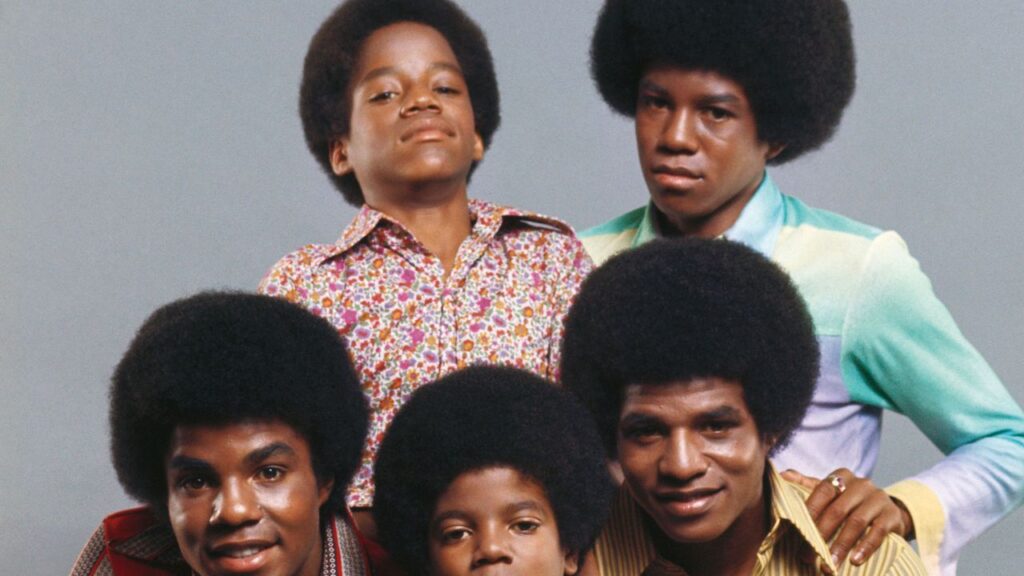
In 1964, Joe Jackson formed The Jackson 5 (originally The Jackson Brothers), featuring Jackie, Tito, Jermaine, Marlon, and Michael. Even at age 6, Michael’s extraordinary vocal talent, natural stage presence, and ability to emote beyond his years made him the group’s standout performer and lead singer.
Motown Records (1968)
In 1968, The Jackson 5 auditioned for Motown Records in Detroit, the legendary label home to Diana Ross & The Supremes, Stevie Wonder, and Marvin Gaye. Berry Gordy, Motown’s founder, immediately recognized their potential, particularly Michael’s star quality, and signed them.
Chart Domination (1969-1971)
The Jackson 5’s success was unprecedented:
- I Want You Back (1969) – Debut single reached #1 on Billboard Hot 100.
- ABC (1970) – Another #1 hit
- The Love You Save (1970) – Third consecutive #1
- I’ll Be There (1970) – Fourth #1 hit
They became the first group ever to have their first four singles reach #1, a record that still stands. Michael, singing lead at ages 11-12, became a global phenomenon, his voice combining childlike innocence with mature emotional depth.
Touring and Television
The Jackson 5 toured extensively, performed on major television shows, and became international stars. Michael’s performances were electric, his dancing, influenced by James Brown, combined with his powerful vocals made him impossible to ignore. Even at 10 years old, he commanded stages like a seasoned professional.
The Dark Side
Behind the success lay darkness: Joe’s abusive management, the loss of childhood to constant rehearsals and performances, the pressure to maintain success, and the isolation from normal life. Michael later recalled being unable to play with other children and being beaten if rehearsals didn’t meet his father’s standards, trauma that would haunt him forever.
Solo Career Beginnings (1971-1979)
Early Solo Albums
While still with The Jackson 5, Michael began a solo career at age 13:
“Got to Be There” (1972) – Debut solo album “Ben” (1972) – Title track became his first solo #1 hit “Music & Me” (1973) “Forever, Michael” (1975)
These albums established Michael’s solo viability but didn’t yet reach his full potential, that would require leaving Motown.
Leaving Motown (1975)
In 1975, The Jacksons (renamed after legal disputes prevented using “Jackson 5”) left Motown for Epic Records, seeking creative control Joe couldn’t secure at Motown. This move, while initially difficult, ultimately freed Michael to develop his artistic vision.
The Wiz (1978)
Michael’s role as the Scarecrow in the 1978 film adaptation of “The Wiz” (alongside Diana Ross) proved pivotal, he met Quincy Jones, the film’s music producer, who would become his collaborator on the albums that would change music history.
“Off the Wall” (1979): The Breakthrough
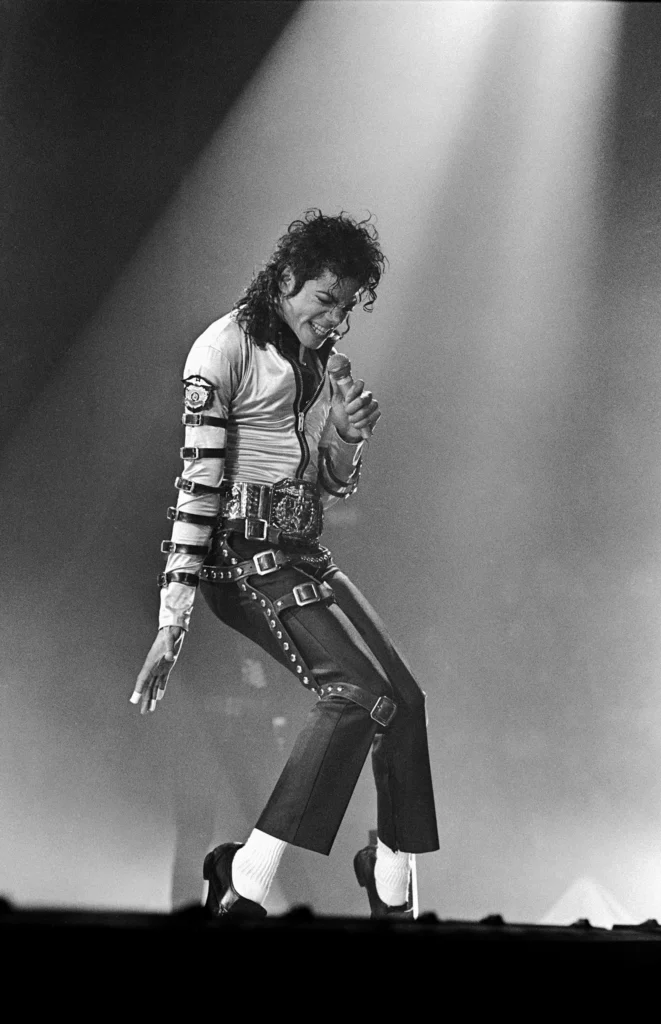
The Masterpiece
At age 21, Michael released “Off the Wall,” produced by Quincy Jones, an album that redefined what pop music could be.
Singles:
- “Don’t Stop ‘Til You Get Enough” – #1 hit, showcasing his falsetto and disco-funk fusion
- “Rock with You” – #1 hit, smooth and sophisticated
- “Off the Wall”
- “She’s Out of My Life” – Emotional ballad
Success: The album sold over 20 million copies worldwide, won Michael his first Grammy Award, and established him as a solo superstar separate from his brothers.
Significance: “Off the Wall” marked Michael’s arrival as a sophisticated adult artist with creative control, no longer just the Jackson 5’s lead singer but a complete musical visionary.
“Thriller” (1982): Global Domination
The Album That Changed Everything
On November 30, 1982, Michael released “Thriller,” produced again by Quincy Jones, an album that would become the best-selling album of all time, with estimated sales exceeding 70 million copies worldwide.
Track List Perfection:
- “Wanna Be Startin’ Somethin'”
- “Baby Be Mine”
- “The Girl Is Mine” (duet with Paul McCartney) – #2 hit
- “Thriller” – #4 hit with iconic 14-minute music video
- “Beat It” – #1 hit featuring Eddie Van Halen’s guitar solo
- “Billie Jean” – #1 hit, became his signature song
- “Human Nature”
- “P.Y.T. (Pretty Young Thing)”
- “The Lady in My Life”
Unprecedented Success:
- Seven Top 10 singles from one album
- 37 weeks at #1 on Billboard 200
- Won 8 Grammy Awards in 1984 (record at the time)
- First artist to have 7 songs from one album in Top 10
The “Thriller” Music Video (1983)
Directed by John Landis, the 14-minute “Thriller” short film revolutionized music videos:
- $500,000 budget – unprecedented for music videos
- Cinematic storytelling with choreographed zombie dance
- Horror movie aesthetics with werewolf transformation
- Vincent Price’s iconic voiceover
- MTV phenomenon – played constantly, breaking racial barriers
The video’s cultural impact was immeasurable, it made music videos an art form and promotional necessity, influenced fashion (red leather jacket became iconic), and created the template for modern visual albums.
The Moonwalk (1983)
On May 16, 1983, during Motown’s 25th anniversary television special, Michael performed “Billie Jean” and unveiled the moonwalk dance move, an illusion of walking backwards while appearing to walk forward. This moment became one of the most iconic in entertainment history, cementing Michael’s status as the ultimate performer.
“Bad” (1987): Maintaining the Throne
The Follow-Up Challenge
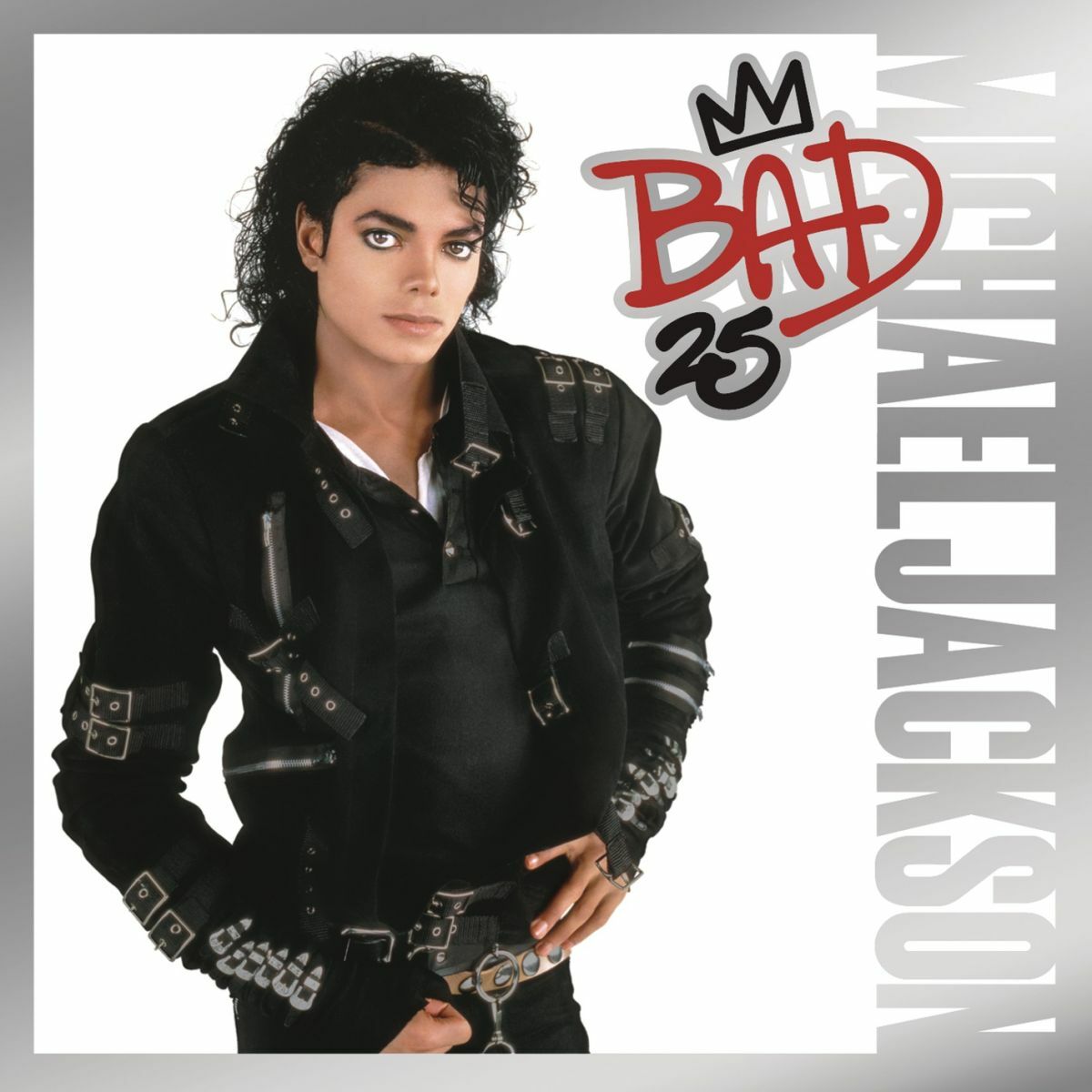
Following “Thriller” was impossible, but Michael tried with “Bad,” released August 31, 1987:
Hit Singles:
- “I Just Can’t Stop Loving You” (duet with Siedah Garrett) – #1
- “Bad” – #1
- “The Way You Make Me Feel” – #1
- “Man in the Mirror” – #1
- “Dirty Diana” – #1
Historic Achievement: “Bad” produced five #1 singles, the first album to achieve this.
Sales: Over 35 million copies worldwide, a massive success by any standard except comparison to “Thriller.”
The Bad World Tour (1987-1989)
Michael’s Bad World Tour was the highest-grossing tour of its time, attracting 4.4 million fans across 123 shows. The tour showcased Michael’s peak performance abilities, his dancing, vocals, and stage presence were unmatched.
Dangerous (1991) and HIStory (1995)
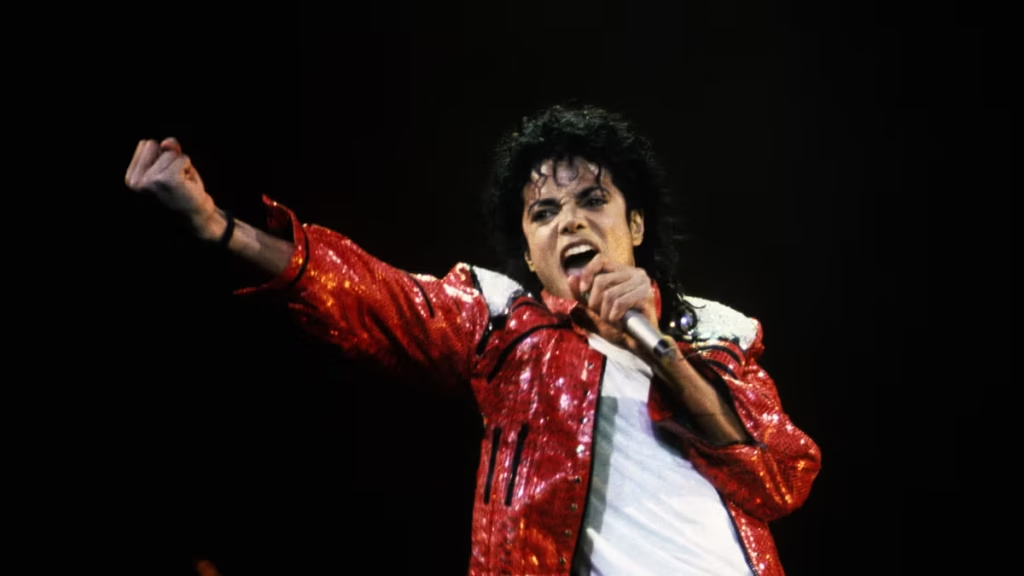
“Dangerous” (1991)
Released November 26, 1991, “Dangerous” marked Michael’s first album without Quincy Jones, with production from Teddy Riley and others:
Hit Singles:
- “Black or White” – #1 hit with controversial morphing video
- “Remember the Time” – Egyptian-themed video with Eddie Murphy
- “In the Closet”
- “Jam” featuring Michael Jordan
- “Heal the World” – Humanitarian anthem
Sales: Over 32 million copies worldwide.
Super Bowl XXVII (1993): Michael’s halftime performance transformed the Super Bowl halftime show from afterthought to must-see spectacle, setting the standard for all future performances.
“HIStory: Past, Present and Future, Book I” (1995)
Released June 20, 1995, this double album combined greatest hits with new material:
New Tracks:
- “Scream” (duet with Janet Jackson) – Most expensive music video ever ($7 million)
- “You Are Not Alone” – First song to debut at #1 on Billboard Hot 100
- “Earth Song” – Environmental anthem
- “They Don’t Care About Us” – Controversial video shot in a Brazilian favela
Sales: Over 20 million copies (40 million units as a double album).
Personal Life and Controversies
Changing Appearance
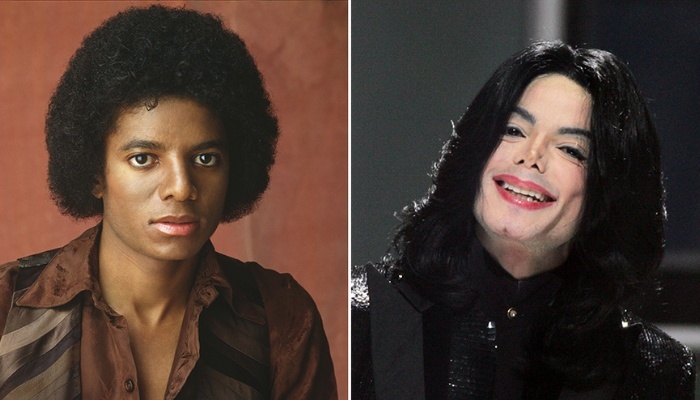
Michael’s changing physical appearance became the subject of intense speculation and ridicule:
Vitiligo: Michael suffered from vitiligo, a skin condition causing loss of pigmentation. Rather than appear patchy, he used makeup and treatments to even his skin tone.
Plastic Surgery: Michael underwent multiple cosmetic surgeries, particularly on his nose, drastically altering his appearance over decades.
Public Reaction: The dramatic changes fueled media obsession and public mockery, adding to Michael’s isolation and psychological struggles.
Marriages
Lisa Marie Presley (1994-1996): Michael married Elvis Presley’s daughter in a surprise wedding. The marriage was widely viewed as a publicity stunt, though both insisted it was genuine. They divorced after less than two years.
Debbie Rowe (1996-1999): Michael married his dermatology nurse Debbie Rowe, who bore him two children: Prince Michael Jackson (born 1997) and Paris Jackson (born 1998). Rowe later relinquished parental rights, and they divorced in 1999.
Children
Michael had three children:
- Prince Michael Jackson I (1997)
- Paris-Michael Katherine Jackson (1998)
- Prince Michael Jackson II “Blanket” (2002) – via surrogate
Parenting Controversies: Michael’s parenting attracted criticism, including the infamous 2002 incident where he dangled baby Blanket over a Berlin hotel balcony while greeting fans, an act he later apologized for as a “terrible mistake.”
Child Sexual Abuse Allegations
Michael faced multiple allegations of child sexual abuse that dominated his later life:
1993 Allegations: Jordan Chandler, age 13, accused Michael of abuse. Michael settled out of court for an estimated $23 million, maintaining innocence but avoiding trial. The settlement damaged his reputation severely.
2003-2005 Trial: Michael was arrested and charged with multiple counts of child molestation involving Gavin Arvizo, a cancer survivor Michael had befriended. The 2005 trial was extensively covered globally. On June 13, 2005, Michael was acquitted on all counts, but the trial devastated him emotionally and financially.
Posthumous Allegations: The 2019 HBO documentary “Leaving Neverland” featured Wade Robson and James Safechuck making detailed abuse allegations. The documentary reignited debates about Michael’s legacy.
Divided Opinion: Michael’s guilt or innocence remains hotly debated, with defenders citing his acquittal and alleged financial motivations of accusers, while critics point to patterns of behavior and multiple allegations.
Neverland Ranch
In 1988, Michael purchased a 2,700-acre ranch in Santa Barbara County, California, for $19.5 million, naming it Neverland Ranch after Peter Pan’s magical island (Peter Pan being Michael’s favorite story).
Features:
- Amusement park with rides including Ferris wheel, carousel, and roller coaster
- Private zoo with exotic animals
- Movie theater
- Arcade
- Railroad
Symbolism: Neverland represented Michael’s desire to recapture the childhood he never had, a magical retreat from the adult world that judged him.
End: After the 2005 trial, Michael never returned to Neverland, ultimately losing it to foreclosure. It was later renamed Sycamore Valley Ranch and sold.
Humanitarian Work
Despite controversies, Michael was one of history’s most charitable celebrities:
“We Are the World” (1985): Co-wrote with Lionel Richie this charity single for African famine relief, featuring 45 of America’s biggest stars. Raised over $63 million.
“Heal the World Foundation”: Michael’s charity focused on children’s welfare, education, and fighting disease.
Hospital Visits: Frequently visited children’s hospitals, bringing joy to sick children worldwide.
Donations: Donated estimated $300-500 million to charities throughout his life.
Guinness World Record: Recognized for supporting 39 charities, more than any other entertainer at the time.
Death (June 25, 2009)
On June 25, 2009, at 2:26 PM, Michael Jackson suffered cardiac arrest at his rented mansion in Holmby Hills, Los Angeles. He was 50 years old.
Cause: Acute propofol intoxication, his personal physician, Dr. Conrad Murray, had administered the powerful anesthetic propofol (normally used in surgical settings) to help Michael sleep. Combined with other sedatives, it proved fatal.
Last Days: Michael had been rehearsing for “This Is It”, a planned series of 50 comeback concerts at London’s O2 Arena. Rehearsal footage showed him still capable of extraordinary performance despite health issues.
Dr. Conrad Murray: Michael’s physician was convicted of involuntary manslaughter in 2011 and served two years in prison. The trial revealed Michael’s severe insomnia, pain medication dependencies, and the dangerous medical practices surrounding his final days.
Global Mourning: Michael’s death sparked unprecedented global mourning. Memorial services, particularly the Staples Center memorial on July 7, 2009, were watched by billions worldwide. The event featured performances and tributes from celebrities and included Michael’s daughter Paris’s emotional speech.
Legacy and Impact
Musical Innovation
Genre Fusion: Michael seamlessly blended pop, rock, funk, disco, R&B, and soul, creating a universal sound transcending racial and cultural boundaries.
Production Excellence: His perfectionism and collaboration with Quincy Jones set new standards for production quality.
Vocal Techniques: His signature sounds, beatboxing, vocal hiccups, “hee-hee,” “shamone”, became instantly recognizable.
Dance Revolution
Signature Moves: The moonwalk, robot, toe stand, anti-gravity lean, and countless others became part of global pop culture.
Choreography Standards: Raised expectations for what pop performers should deliver, making dancing as important as singing.
Global Influence: Artists worldwide, from Usher to Chris Brown to BTS, cite Michael as their primary dance influence.
Music Video Artistry
Cinematic Videos: “Thriller,” “Bad,” “Smooth Criminal,” and others transformed music videos into legitimate art form.
MTV Integration: Michael’s videos broke MTV’s racial barrier, the network initially resisted playing Black artists until “Billie Jean’s” quality and popularity forced inclusion.
Visual Albums: Pioneered the concept of visual albums where videos enhanced rather than just promoted music.
Cultural Impact
Fashion Icon: The sequined glove, red leather jacket, military jackets, and fedora became iconic.
Breaking Barriers: As a Black artist, Michael achieved unprecedented crossover success, performing for audiences of all races globally.
Global Superstardom: Perhaps the first true global superstar, recognized everywhere from America to Africa to Asia to Europe.
Record-Breaking Achievements
- Best-selling album of all time (“Thriller”)
- 13 Grammy Awards
- Inducted into Rock and Roll Hall of Fame twice (with Jackson 5 and solo)
- Over 400 million records sold worldwide
- Countless Guinness World Records
Estate Value
Michael’s estate has earned over $2 billion since his death through music sales, posthumous releases, the Cirque du Soleil shows, and the MJ the Musical Broadway show, making him one of the highest-earning deceased celebrities.
Conclusion: The Complicated King
Michael Jackson remains the most successful and influential entertainer in history, yet also one of the most controversial and tragic. His talent was supernatural, his performances otherworldly, his impact immeasurable. Yet his life was marked by childhood trauma, physical transformation, crushing loneliness, financial troubles despite massive earnings, and allegations that divide opinion even after death.
He was simultaneously the King of Pop who brought joy to billions and a deeply troubled man whose personal struggles played out on the world stage. His music continues inspiring new generations, his videos are studied as art, and his dancing remains the gold standard. Whether one can separate art from artist regarding the abuse allegations remains an individual moral calculation that will likely never find consensus.
What cannot be disputed: Michael Jackson changed music, dance, and entertainment forever. His influence is eternal, his music timeless, and his legacy, however complicated, indelible in human cultural history.
Michael Joseph Jackson (August 29, 1958 – June 25, 2009): The boy from Gary, Indiana who became the King of Pop, the moonwalking legend, the man who made “Thriller,” and the most famous person on Earth. Genius and tragedy intertwined, talent and trauma inseparable, forever the King.