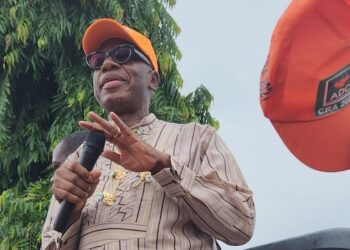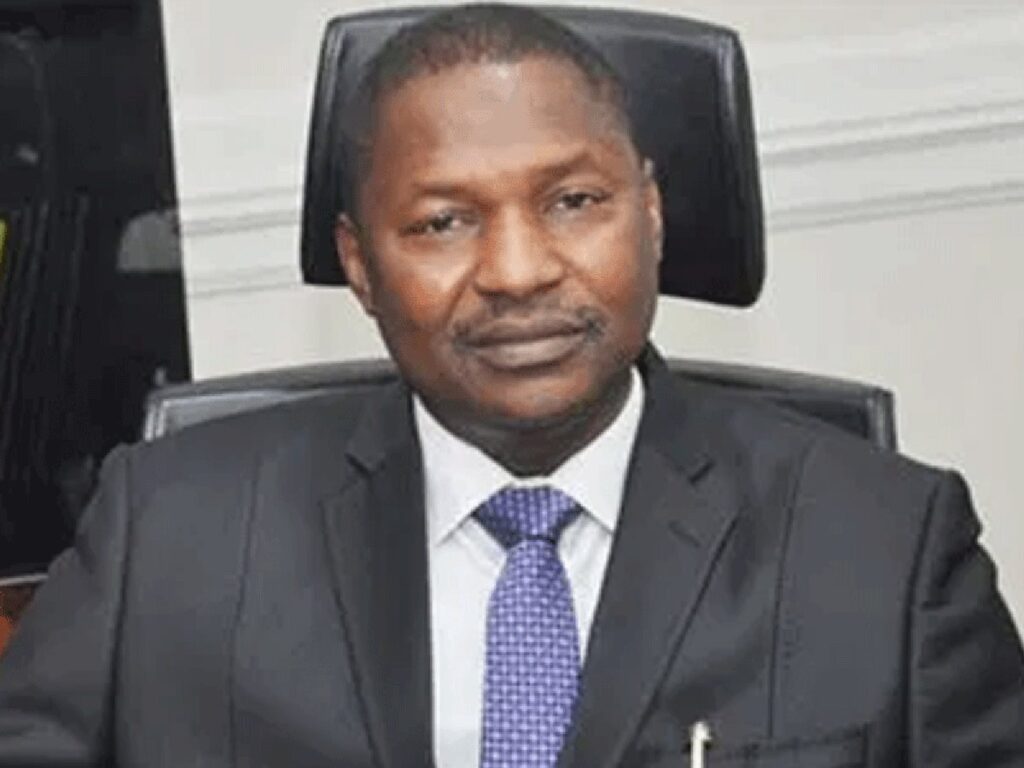
Abubakar Malami, Nigeria’s former Minister of Justice and Attorney-General of the Federation, has made his resignation from the ruling All Progressives Congress (APC) public, declaring his alignment with the African Democratic Congress (ADC).
In a personal statement shared Wednesday through his verified social media platform, Malami explained that the decision came after extensive discussions and deep introspection.
According to him, the move was not motivated by personal ambition or resentment, but rather by what he described as an overwhelming concern for the nation’s deteriorating conditions and the daily struggles endured by the populace. “Nigeria is bleeding.
Insecurity has taken over our homes, especially in the North. Banditry, kidnappings, and terrorism have become part of our lives, while the government prioritises politics over the safety of its citizens,” he said.
Malami lamented the growing cost of living and the rapidly declining economic situation in the country. He pointed out that the price of essential food items has surged beyond the reach of ordinary citizens, making it increasingly difficult for families to afford basic meals.
The former justice minister also expressed frustration with the unemployment crisis and a perceived sense of hopelessness that he believes is spreading among the youth.
He accused the Federal Government of failing in its responsibility to offer effective governance, alleging that the current administration had allowed competence and merit to be overshadowed by political cronyism. According to Malami, “Governance has been abandoned. Appointments, projects, and policies are now guided by political loyalty, not national interest. I cannot remain part of a system that watches in silence as Nigerians suffer and die.”
Speaking on his decision to pitch his tent with the African Democratic Congress, Malami said the party embodies values that include fairness, inclusiveness, capability, and a renewed national direction.
He expressed confidence in the platform’s ability to inspire meaningful change and said he believes the party can help redirect Nigeria onto a more promising path. “I believe that through this coalition, and with the support of Nigerians, we can create a better future for our beloved nation,” he stated.
He used the opportunity to reassure the people of Kebbi State of his unwavering commitment to their well-being and advancement, adding that his affiliation with the ADC would serve as a better channel to advocate for their needs and amplify their voices.
Malami’s move comes at a time of increased political activity and realignment. Just earlier in the day, a broad coalition of opposition leaders gathered at the Shehu Musa Yar’Adua Centre in Abuja to formally endorse the ADC as the political platform that will drive their strategy for the 2027 general elections. This coalition, which brings together a wide spectrum of influential political figures across party lines, aims to challenge the continued dominance of the APC at the federal level.
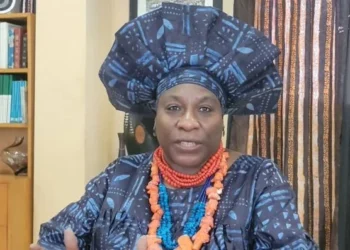
Notably, the coalition introduced former Senate President David Mark as the interim national chairman of the ADC, while former Osun State Governor Rauf Aregbesola was named interim national secretary. Both appointments follow the resignation of Ralf Nwosu, the party’s former national chairman, who officially handed over leadership responsibilities and presented ADC membership cards to Mark and Aregbesola during the unveiling.
The meeting was well-attended by prominent national figures, including Atiku Abubakar, the 2023 presidential candidate of the Peoples Democratic Party (PDP); Labour Party’s Peter Obi; former Kaduna State governor Nasir El-Rufai; and former Rivers State governor Rotimi Amaechi. Also present were Dele Momodu, Senator Ireti Kingibe, Senator Gabriel Suswam, former Minister of Sports Solomon Dalong, and retired Chief of Air Staff, Air Marshal Sadique Abubakar.
This gathering, which drew participants from multiple political parties such as the PDP, Labour Party (LP), and Social Democratic Party (SDP), signals the beginning of what may become a strong opposition front, seeking to unseat the APC in the next electoral cycle.
Malami’s entry into the ADC also follows the defection of three senators from the PDP to the APC in Kebbi State, led by Adamu Aliero. With Malami now positioned within the ADC, political watchers see him as a significant counterweight to the APC’s expanding influence in the state and a potential rallying figure for opposition efforts in the northwest region.
As the 2027 elections begin to take shape, the ADC’s new coalition-backed leadership and the influx of high-profile political actors like Malami suggest that the political landscape may be heading for a substantial transformation.
What You Should Know
Abubakar Malami has resigned from the APC and joined the African Democratic Congress (ADC), citing Nigeria’s worsening security and economic situation. His defection follows the formal adoption of the ADC by a new opposition coalition, which aims to contest power in the 2027 general elections.