French President Emmanuel Macron will on Tuesday accept the resignation of Prime Minister Francois Bayrou after his government was ousted in a crushing confidence vote, plunging the country into fresh political turmoil.
Bayrou, who had unexpectedly called the vote to break a deadlock over his austerity budget, was dealt a heavy blow as 364 deputies rejected his government compared to 194 who expressed support. The budget proposal had outlined €44 billion ($52 billion) in cost-saving measures to cut France’s mounting debt.
“In line with article 50 of the constitution, the prime minister must submit the resignation of his government,” National Assembly speaker Yael Braun-Pivet declared following the result.
The French presidency said Macron “took note” of the outcome and would name a new premier “in the next days.” Bayrou will formally tender his resignation on Tuesday, with speculation that his successor could be announced as soon as the same day.
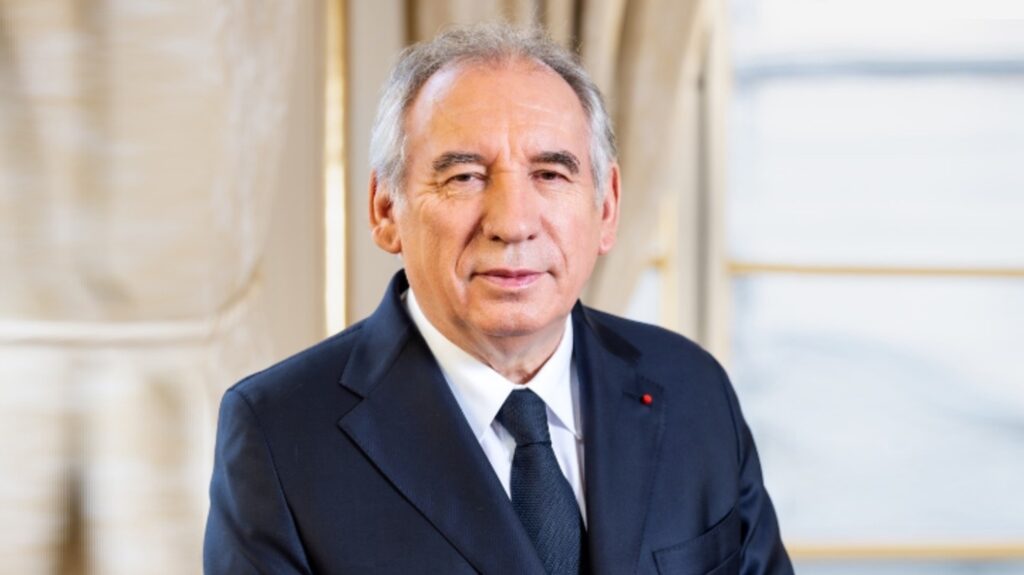
Bayrou was Macron’s sixth prime minister since 2017, and his fifth since 2022, highlighting the political instability dogging the presidency.
Macron, already grappling with widespread unpopularity at home, must now make one of the most consequential domestic decisions of his mandate. Options under consideration range from Socialist Party leader Olivier Faure who insists it is “time for the left to govern this country again” to current cabinet members such as Justice Minister Gerald Darmanin, Health Minister Catherine Vautrin, or Finance Minister Eric Lombard.
Yet Macron faces deep resistance. A new poll by Odoxa-Backbone for Le Figaro shows 64 percent of French citizens want him to resign outright instead of appointing another prime minister, an option the president has categorically ruled out.
Beyond political wrangling, France also faces looming social unrest. Left-wing activists are calling for nationwide demonstrations on Wednesday, while trade unions have announced a strike for September 18.
Meanwhile, the far-right’s future remains uncertain. Marine Le Pen, leader of the National Rally, is appealing her four-year conviction over an EU fake jobs scandal, two years of which were suspended, and a five-year ban from public office. The appeal, scheduled for early 2026, could determine whether she can contest the 2027 presidential election. Le Pen has called for snap legislative elections, saying they are “not an option but an obligation.”
What you should know
President Emmanuel Macron faces one of the toughest domestic crises of his presidency following Prime Minister Francois Bayrou’s ouster.
While Macron prepares to appoint his seventh premier, France is balancing political instability, economic austerity, and rising social unrest, with Marine Le Pen’s unresolved appeal adding further uncertainty ahead of the 2027 presidential race.