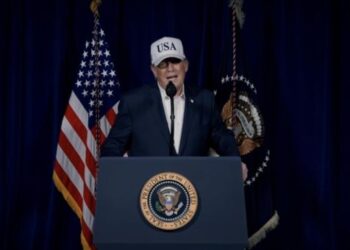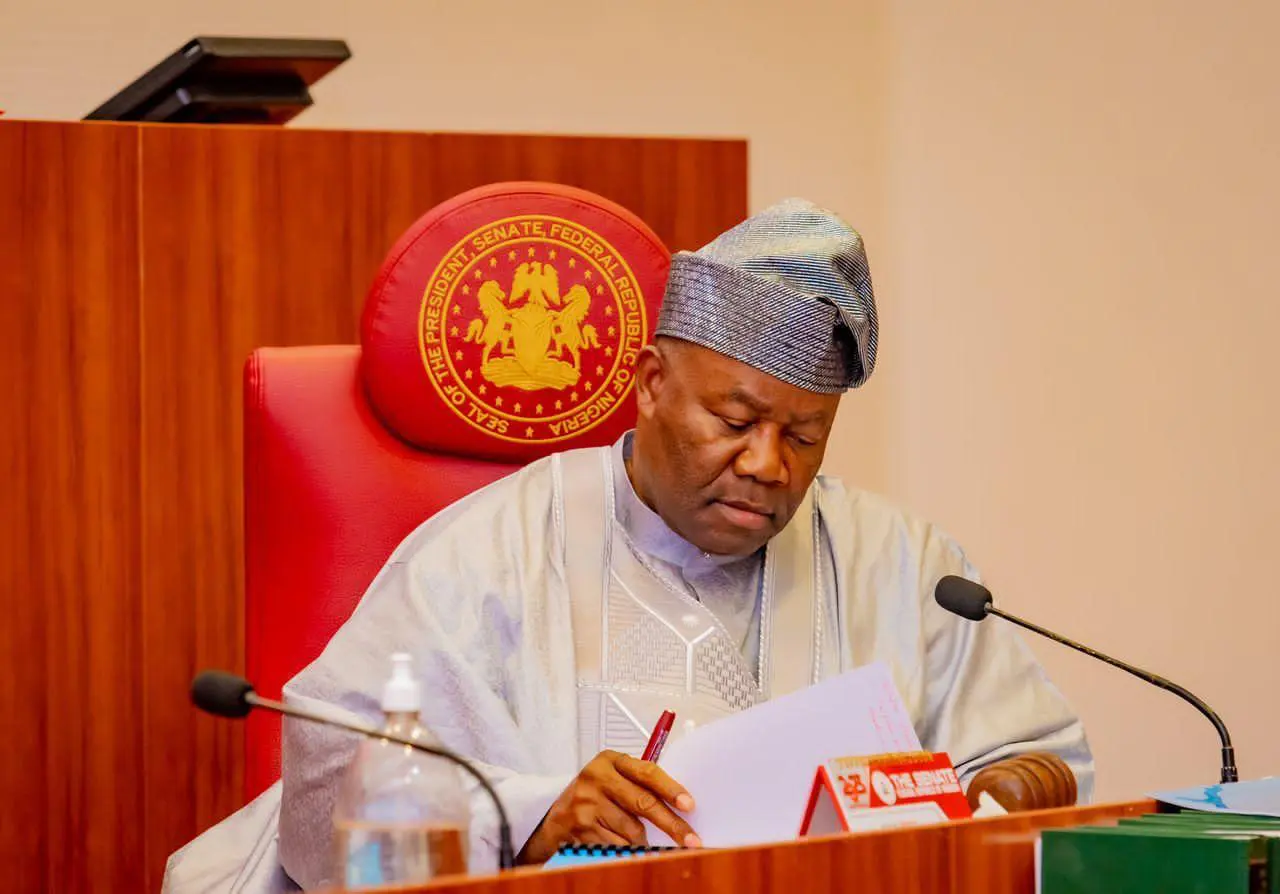
Federal Reserve Governor Lisa Cook, the first Black woman to serve on the Fed board, who was appointed by President Joe Biden, has set the stage for a landmark legal battle after refusing to resign following President Trump‘s announcement on Monday that he was firing her.
Cook’s attorney, Abbe Lowell, announced on Tuesday he is filing a lawsuit to challenge Trump’s attempt to remove her, marking the latest confrontation between the Trump administration and the Federal Reserve’s independence. Lowell declared that Trump’s decision “lacks any factual or legal basis” and called it “an illegal action.”
The dispute centers on Trump’s allegation of mortgage fraud against the Biden-appointed governor, though critics characterize the move as politically motivated. Under the Federal Reserve Act of 1913, a president can only remove Fed board members “for cause,” traditionally understood to mean malfeasance or dereliction of duty.
The Federal Reserve itself has pushed back against the president’s authority, with a Fed spokesman pointing out that “Congress, through the Federal Reserve Act, directs that governors serve their terms,” underscoring the central bank’s statutory independence from political interference.
The confrontation represents an escalation of Trump’s yearlong effort to consolidate executive power and could open a new high-stakes legal battle at the Supreme Court. Legal experts anticipate the case will wind its way through federal courts and ultimately reach the nation’s highest court, where the Supreme Court will likely issue the final word on the dispute.
The Supreme Court, which has previously deemed the Federal Reserve distinct from other federal agencies, is considered likely to uphold a challenge to Cook’s dismissal, though the outcome could fundamentally reshape the relationship between the executive branch and the nation’s central banking system.
If Trump’s removal is upheld, he would be positioned to have a Fed board whose majority comprises governors he has appointed, potentially giving him unprecedented influence over monetary policy decisions that affect the entire U.S. economy.
The legal battle promises to define new guardrails around the central bank’s independence, with implications extending far beyond Cook’s individual case to the broader question of presidential authority over independent federal agencies designed to operate free from political pressure.
As of Tuesday, Cook remains in her position, defying the president’s directive and awaiting the court system’s determination of whether a century-old law protecting Fed independence can withstand executive pressure in the modern era.
WHAT YOU SHOULD KNOW
President Trump’s firing of Fed Governor Lisa Cook has triggered a constitutional crisis over presidential power versus Federal Reserve independence. Cook is fighting the dismissal in court, arguing that presidents can only remove Fed governors “for cause” under the 1913 Federal Reserve Act.
This landmark case will likely reach the Supreme Court and could fundamentally reshape executive authority over the nation’s central bank, with major implications for monetary policy independence and the broader separation of powers in American government.