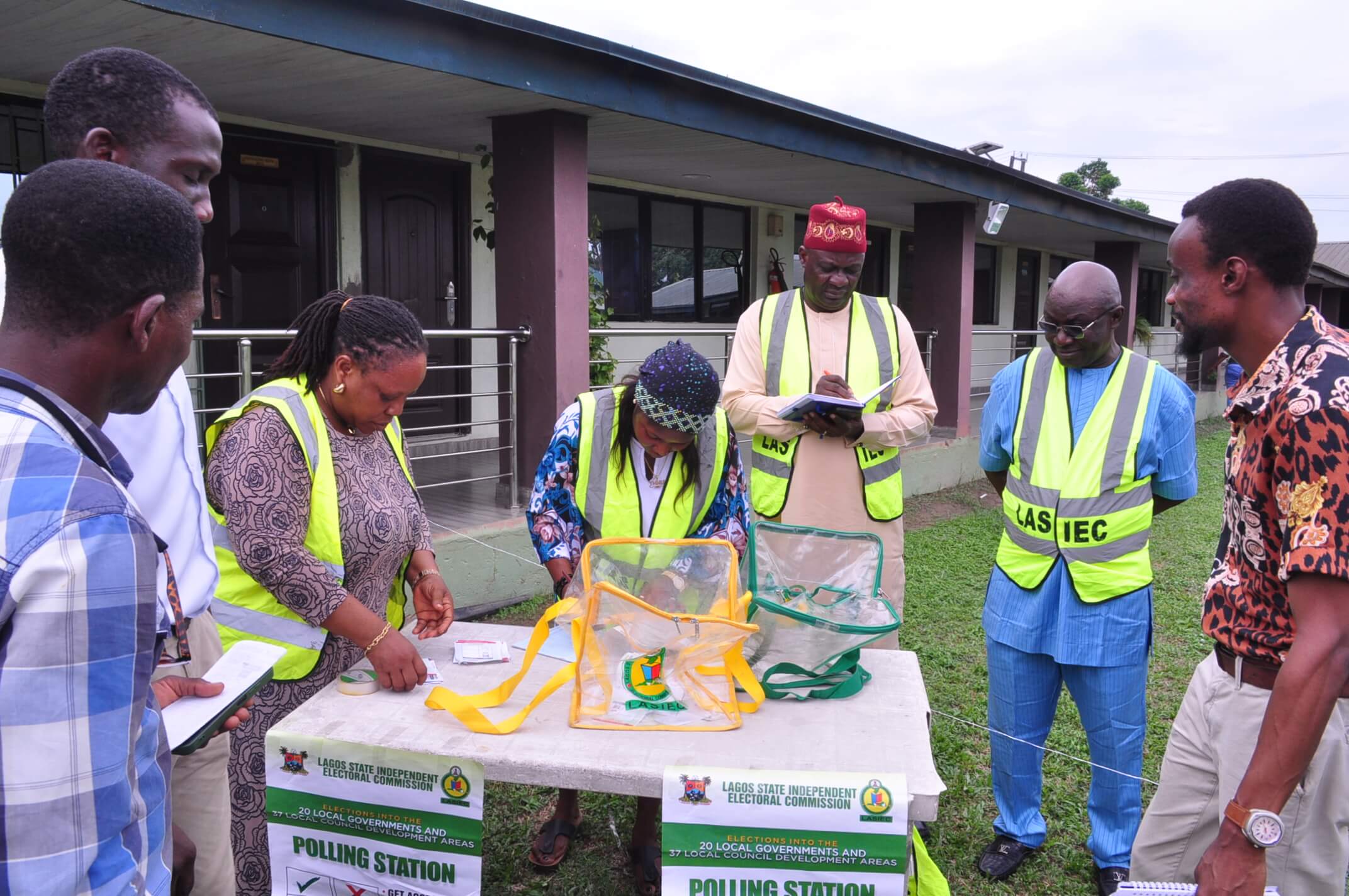
The 2025 Lagos State Local Government elections commenced on Saturday, July 12, but early delays marred proceedings in parts of the state, particularly in Ifako-Ijaiye Local Government Area, where officials of the Lagos State Independent Electoral Commission (LASIEC) arrived late, halting the start of voting.
Despite voters arriving at polling centres as early as 8:00 a.m., election activities in Ifako-Ijaiye were stalled due to the absence of electoral personnel. At the polling unit where the All Progressives Congress (APC) chairmanship candidate, Usman Hamzat, is expected to cast his vote, residents were seen waiting patiently, though visibly concerned that the delay could affect turnout and overall confidence in the election process.
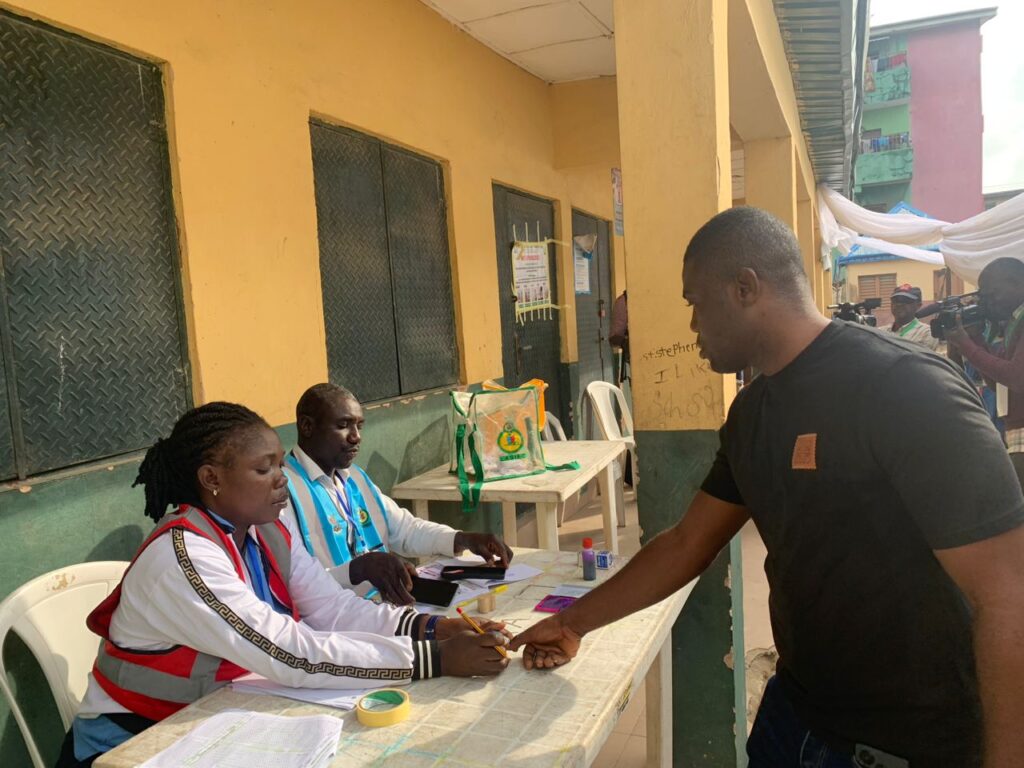
Meanwhile, voting proceeded without disruption in other areas. At Polling Unit 007, located within St. Stephen’s Nursery and Primary School in Adeniji Adele, Lagos Island—where Governor Babajide Sanwo-Olu is scheduled to vote—LASIEC officials arrived on time and the voting process commenced as scheduled. One of the early voters was Jubril Gawat, the Governor’s Senior Special Assistant on New Media, who cast his ballot without incident.
Security personnel were also seen at the Lagos Island polling unit to maintain peace and order. Across the state’s 20 Local Government Areas (LGAs) and 37 Local Council Development Areas (LCDAs), the elections aim to fill chairmanship and councillorship seats, with a total of 13,325 polling units set up for the exercise.
In Amuwo-Odofin LGA, the distribution of voting materials began earlier in the day at the local government secretariat. Electoral staff were observed loading materials into vehicles for deployment to 14 LCDAs under Amuwo-Odofin and Oriade. So far, no incidents of material shortages, disruptions, or logistical issues have been reported.
Similarly, election materials in Ikeja LGA were dispatched promptly, with polling units receiving items in good time. Security agencies were deployed across the area, ensuring order and providing reassurance to voters.
Today’s local government polls, often overlooked in national discourse, carry significant weight in Lagos, especially in a post-2023 political climate where grassroots politics is becoming increasingly influential. The APC, which has maintained political dominance in Lagos since 1999, faces an increasingly assertive opposition, particularly from the Labour Party (LP).
In the 2023 general elections, LP surprised many by securing notable victories in strategic parts of the state, including Eti-Osa, Amuwo-Odofin, and Surulere. The party is now looking to build on that momentum at the local level, though its campaign visibility across the state has been inconsistent.
The PDP, previously Lagos’s main opposition party, has had a much quieter presence leading up to this election, as internal disputes and leadership issues continue to plague its organization.

Concerns about LASIEC’s preparedness have also dominated pre-election discourse. One of the most contentious issues was the delayed release of the official list of candidates, made public just four days before the polls, on July 8. Civil society groups and several opposition candidates criticized this delay, describing it as a potential hindrance to transparency and fair play.
Some LP candidates also reported incidents of intimidation and vandalism of their campaign materials in the days leading up to the vote. In Amuwo-Odofin, one candidate raised alarm over an alleged plot to disrupt the election, calling on LASIEC and security agencies to act proactively.
Despite the tension, LASIEC Chairperson Justice Ayotunde Phillips (retired) assured the public that the commission was fully prepared. She emphasized that adequate arrangements had been made, including special considerations for elderly voters, pregnant women, and people with disabilities to ensure an inclusive voting process.
Governor Sanwo-Olu echoed similar sentiments, urging Lagos residents to participate actively in the elections, stressing that local governments play a critical role in delivering essential services and addressing community needs.
Security operatives from various agencies were stationed at polling units across the state, with the Lagos State Police Command pledging to maintain order and ensure a peaceful process.
Local government elections may not generate the level of attention seen during national contests, but they are essential for governance. These elections determine who manages local infrastructure, health, education, sanitation, and market regulation—critical services that directly affect citizens’ day-to-day lives.
Furthermore, local council chairs and councillors serve as grassroots representatives for political parties, often forming the base of support for gubernatorial and presidential campaigns. Political observers say the outcome of today’s election will not only reflect the APC’s hold on Lagos but also serve as a measure of opposition strength heading into the 2027 general elections.
As voting continues throughout the day, attention will remain focused on how efficiently LASIEC executes its duties, how voters respond to the call for participation, and whether reported concerns of bias or intimidation materialize into credible complaints.
What You Should Know
Local government elections in Lagos may seem routine, but they wield significant influence over daily life, determining who controls grassroots funding, community development, and political mobilization.
For parties like APC, LP, and PDP, this election is more than just a ballot—it’s a rehearsal for 2027.