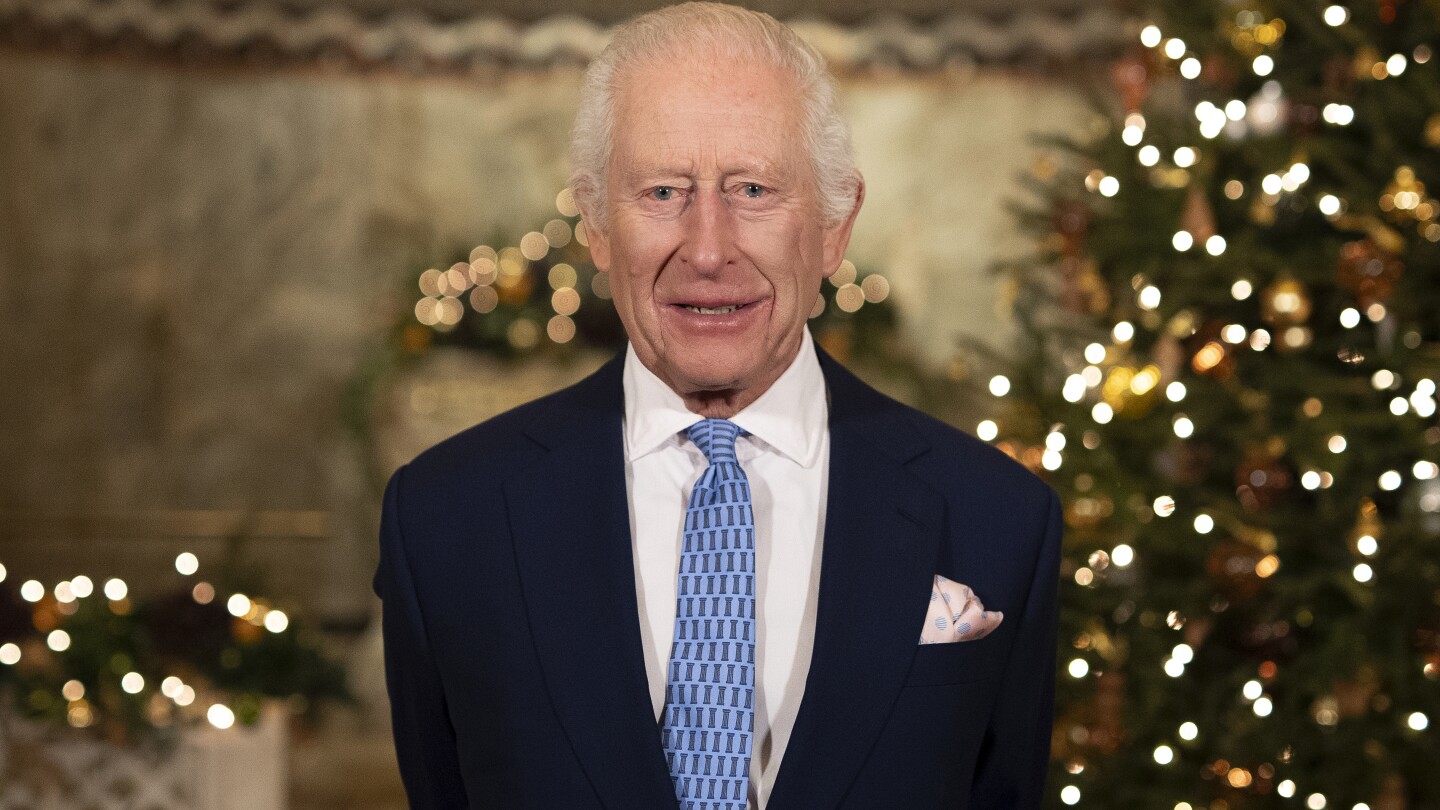
Britain’s King Charles III, who has openly discussed his battle with cancer in a historic break from long-standing royal traditions, will on Friday appear in a “personal message” recorded for a televised fundraising campaign supporting cancer research.
The 77-year-old monarch revealed in February 2024 that he had been diagnosed the previous month with a form of cancer that has not been publicly disclosed.
In a written message shared during an April reception at Buckingham Palace for cancer advocates, the king acknowledged that every diagnosis is “daunting and at times frightening”. He noted that the United Kingdom records more than 1,000 new cancer cases daily, around 390,000 each year.
“But as one among those statistics myself, I can vouch for the fact that it can also be an experience that brings into sharp focus the very best of humanity,” he wrote.
His decision to speak frankly about his illness marked a significant departure from the era of his mother, Queen Elizabeth II, whose health was closely protected from public view throughout her reign.
Buckingham Palace confirmed that Charles had pre-recorded a video message for Stand Up To Cancer, the joint campaign by Cancer Research and Channel 4, which is scheduled to be broadcast at 8:00 pm (2000 GMT) on Friday.
According to the palace, the king “will stress the importance of cancer screening programmes in enabling early diagnosis and will reflect on his own recovery journey”. The message was filmed in late November at Clarence House, the king’s London residence.
Throughout the week leading up to the broadcast, fundraisers and celebrity-driven challenges have taken place across the country. Stand Up To Cancer, a nationwide initiative that rallies UK celebrities to raise funds on live television, has so far collected more than £113 million ($151 million). The money supports research into over 20 types of cancer, including brain tumours, exploring non-surgical options for rectal cancer, and developing treatments designed to reduce the harsh effects of chemotherapy.
The king’s cancer was detected in January 2024 during treatment for a benign prostate issue that required surgery. Although he has never disclosed what type of cancer he has, Buckingham Palace made clear it is unrelated to the prostate condition.
Just six weeks after Charles went public with his diagnosis, his daughter-in-law, Catherine, Princess of Wales, also announced she had cancer and had begun chemotherapy. The mother of three has never revealed her cancer type, but she is now in remission and cancer-free, a development that her husband, Prince William, described as the end of a “brutal” year he called the “hardest” of his life.
The king paused public engagements briefly before returning to official duties in April 2024, with doctors saying they were “encouraged” by his recovery. He has continued treatment since then while taking on an active public schedule that has included visits across the UK, as well as trips to Canada and the Vatican. In March he was briefly hospitalised after experiencing “side effects” from his treatment.
During the April event at Buckingham Palace, Charles offered words of comfort to those facing a new diagnosis, recalling the well-known message of the late British cancer campaigner Deborah James, who passed away from bowel cancer.
“Find a life worth enjoying; take risks; love deeply; have no regrets; and always, always have rebellious hope.”
What you should know
King Charles III’s decision to openly address his cancer journey represents a major shift from the royal family’s traditional secrecy surrounding personal health issues.
His message for the Stand Up To Cancer campaign underscores the importance of early screening, highlights the emotional and human side of battling the disease, and aligns his personal experience with a broader national effort to raise funds for life-saving research.
The king’s continued public engagements, despite ongoing treatment, reflect resilience and a desire to encourage others facing similar challenges. His involvement also adds visibility and weight to a campaign that has already channelled millions into cancer research across the UK.