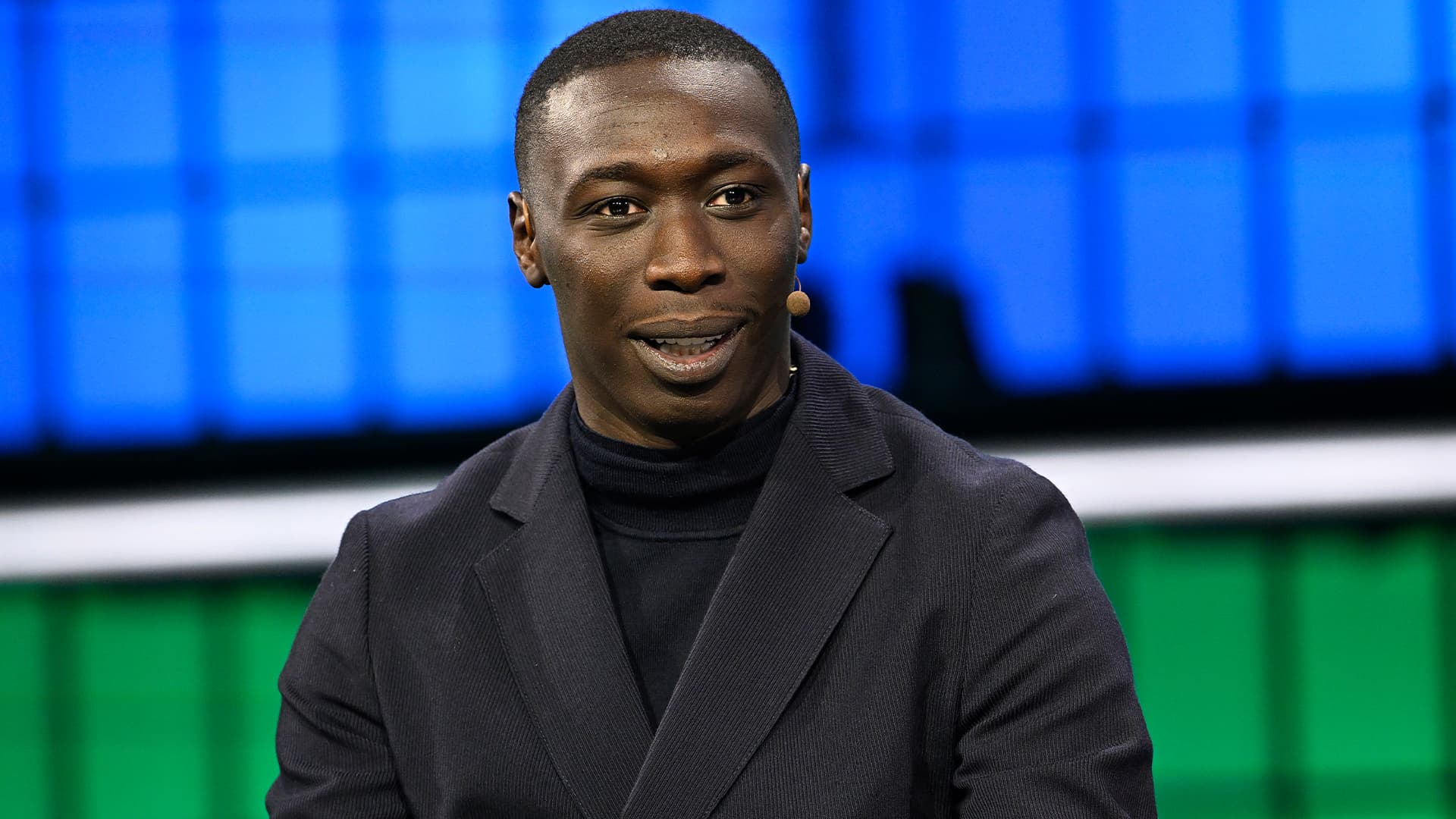
Khaby Lame, who commands 360 million followers across social platforms as TikTok’s top creator, has closed a $900 million transaction with U.S.-listed company Rich Sparkle Holdings—a deal industry analysts are calling a pivotal moment for the creator economy. The agreement involves selling a stake in his commercial entity, Step Distinctive Limited.
The deal, announced by Rich Sparkle Holdings (ANPA. US), represents one of the largest commercialization agreements ever struck with an individual content creator and signals a fundamental shift in how digital influence translates into corporate value.
Under the terms of the agreement, Rich Sparkle and its operating partners will assume exclusive rights to Khaby Lame’s global commercial operations for an initial 36-month period. This encompasses brand partnerships, product endorsements, and e-commerce ventures—essentially consolidating the scattered revenue streams typical of influencer businesses into a unified, platform-driven model.
What sets this transaction apart from traditional brand ambassadorships is the equity component: Khaby Lame will emerge as a controlling shareholder in Rich Sparkle Holdings itself, transforming him from content creator to corporate principal. It’s a structure that blurs the line between talent and ownership in ways the digital media industry has rarely seen at this scale.
“This is not just an equity acquisition, but a revolution in the global content e-commerce model,” Rich Sparkle stated in its announcement, positioning the deal as an ambitious fusion of celebrity influence and industrial-scale commerce infrastructure.
Rich Sparkle has outlined an aggressive revenue forecast, projecting that its integrated model—combining traffic generation, operational systems, fulfillment logistics, and proprietary technology—could produce more than $4 billion in annual sales once fully operational. That figure, while unverified and highly speculative at this stage, underscores the company’s confidence in converting Lame’s massive audience into direct purchasing power.
The commercial strategy will initially target three key regions: the United States, the Middle East, and Southeast Asia. Implementation will unfold over the next 36 months in partnership with Anhui Xiaoheiyang Network Technology Co. Ltd., a China-based content commerce operator. The involvement of a Chinese e-commerce partner suggests the deal may draw on the live-streaming shopping model that has proven wildly successful in Asian markets, where influencers routinely drive billions in product sales through integrated social commerce platforms.
Khaby Lame’s rise has been nothing short of meteoric. Born in Senegal and raised in Italy, the 28-year-old creator became a global phenomenon through a deceptively simple formula: silent, deadpan responses to needlessly complicated “life hack” videos. His content requires no translation, no voiceover, and no cultural context beyond a raised eyebrow and a shrug—making it universally digestible in an era when language barriers often limit viral reach.
That accessibility has allowed him to amass a combined 360 million followers across TikTok, Instagram, and other platforms, surpassing even established celebrities and making him one of the most recognized faces in digital media. Unlike many creators who rely on niche audiences or specific demographics, Lame’s appeal cuts across age groups, geographies, and cultural divides.
The Rich Sparkle transaction may represent a turning point in how top-tier creators monetize their influence. Traditionally, even the most successful digital personalities have operated through a patchwork of brand deals, sponsored content, and merchandise sales—lucrative, perhaps, but fragmented and often short-term.
This deal proposes something different: a centralized, equity-backed commercialization engine designed to convert Lame’s reach into “long-term, repeatable business revenue,” as Rich Sparkle describes it. The company has framed the arrangement as a combination of “a US-listed company platform + top global content IP + ultimate supply chain,” positioning it as a scalable template that could, in theory, be replicated with other high-profile creators.
Whether that model will deliver on its $4 billion ambition remains to be seen. The creator economy is littered with ambitious partnerships that failed to translate online engagement into sustained commercial success. Audience loyalty on social platforms doesn’t always transfer to purchasing behavior, and the complexities of international e-commerce—logistics, regulation, consumer trust—are formidable.
Several uncertainties surround the deal. Rich Sparkle’s projections are bold but unsubstantiated, and the company’s operational track record in Western markets is unclear. The reliance on a Chinese partner for execution may raise eyebrows among regulators and consumers in the U.S. and Europe, particularly given ongoing scrutiny of cross-border data flows and foreign influence in digital commerce.
There’s also the question of creative control. Khaby Lame’s brand is built on authenticity and simplicity—qualities that could be diluted if subordinated to aggressive sales targets or corporate interests. Maintaining audience trust while pivoting to direct monetization will require a careful balance.
Still, for Khaby Lame, the deal represents a dramatic evolution from content creator to business mogul. And for the broader creator economy, it’s a signal that the days of fragmented, ad hoc monetization may be giving way to something more structured, more lucrative—and considerably more complex.
As the rollout begins across three continents, the industry will be watching closely to see whether this $900 million bet pays off, or whether it becomes a cautionary tale about the limits of turning likes into lasting enterprise value.
WHAT YOU SHOULD KNOW
Khaby Lame, TikTok’s biggest star with 360 million followers, just closed a $900 million deal that fundamentally reimagines how internet fame converts to business value. Unlike typical brand partnerships, he’s becoming a controlling shareholder in a U.S.-listed company that will exclusively manage his global commercial rights for three years—with projections of $4 billion in annual sales.