Iran remained defiant on Tuesday as fresh explosions shook the capital, Tehran, insisting it would not seek a ceasefire despite escalating threats from Donald Trump over tensions around the strategic Strait of Hormuz.
The war has intensified across the Middle East since the February 28 joint strikes by the United States and Israel that killed Iran’s supreme leader, Ali Khamenei, triggering the ongoing conflict. Tehran has now vowed that no crude oil exports will leave the Gulf if the bombardment continues.
Earlier, the United States Department of Defense announced what it described as its most intense strikes so far, though Iran has refused to yield to the pressure.

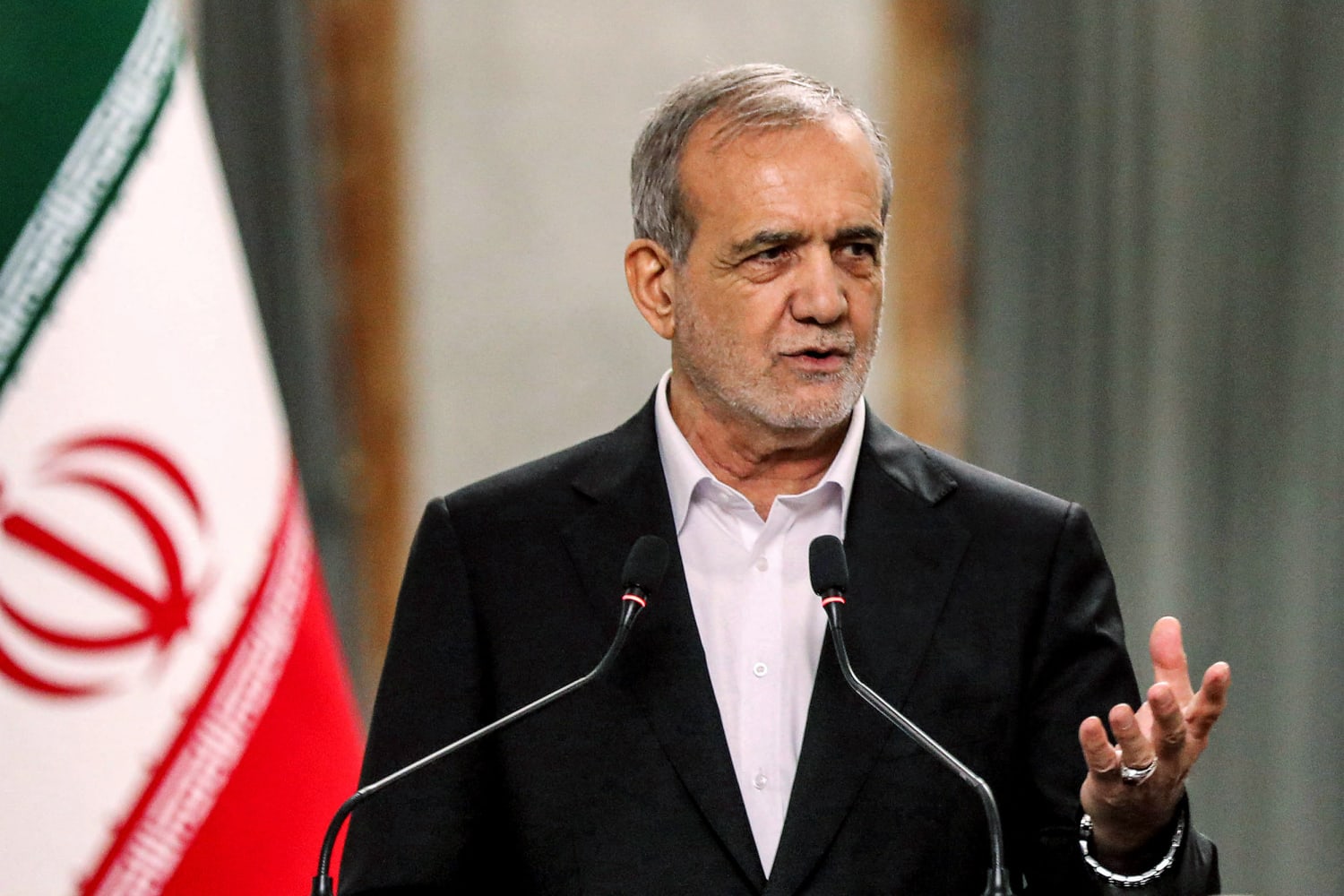
Iran’s parliament speaker, Mohammad Bagher Ghalibaf, a former commander in the Islamic Revolutionary Guard Corps and a key political figure following Khamenei’s death, declared in a post on X that the country was not seeking peace talks.
“Certainly we aren’t seeking a ceasefire.
“We believe the aggressor must be punished and taught a lesson that will deter them from attacking Iran again,” he wrote.
Meanwhile, the US Secretary of Defense, Pete Hegseth, said Tuesday would mark the most intense phase of military action so far.
“Be yet again our most intense day of strikes inside Iran—the most fighters, the most bombers,” he told reporters.
Iranian attacks on shipping have effectively shut down the Strait of Hormuz, a vital route through which about a quarter of the world’s seaborne oil and one-fifth of global liquefied natural gas normally pass. Trump also warned Tehran against laying mines in the strategic channel in a message posted on Truth Social.
“If for any reason mines were placed, and they are not removed forthwith, the military consequences to Iran will be at a level never seen before,” he wrote.
The warning came after reports from CNN, citing intelligence sources, suggested Iran had begun placing explosives in the waterway.
Two rounds of explosions were later heard across Tehran on Tuesday evening, according to journalists from Agence France-Presse, though details about the intended targets were not immediately available.
Residents in the capital expressed mixed reactions to the bombardment. One woman in her forties said she felt somewhat reassured by her belief that the bombings were not targeting civilian structures, although she admitted the sound of the blasts remained disturbing.
Iran’s Revolutionary Guards responded by announcing a new wave of missile attacks targeting Israeli cities and US interests in the region. Explosions were later heard in Manama, according to AFP reporters.
The United States Department of Defense said about 140 US military personnel have been wounded since the conflict began, most with minor injuries, while seven deaths have been confirmed.
‘Catastrophic consequences’
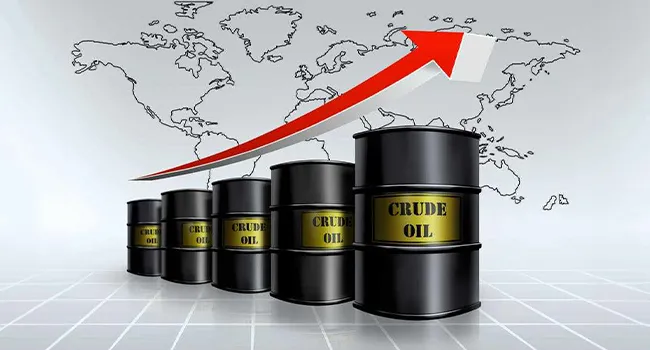
Oil prices swung sharply during Tuesday’s trading after Chris Wright announced that the US navy had escorted a tanker through the Strait of Hormuz. However, the statement was quickly deleted and the White House later clarified that no escort mission had taken place.
Energy markets have been highly volatile since the war began, with earlier Iranian attacks on shipping, strikes on oil depots in Iran, and assaults on energy infrastructure in Gulf countries pushing prices upward.
The United Arab Emirates’ largest refinery at Ruwais was shut down on Tuesday as a precaution following a drone strike that caused a fire at the complex.
A driver working at the facility, who asked not to be identified, said he saw flames rising from the complex accompanied by loud blasts.
Meanwhile, Qatar reported ongoing Iranian strikes targeting civilian infrastructure. Journalists reported hearing explosions in the capital, Doha.
Energy traders and policymakers around the world are closely monitoring the situation.
Amin H. Nasser, head of Saudi Aramco, warned that prolonged disruption in the Strait of Hormuz could have severe global economic consequences.
“There would be catastrophic consequences for the world’s oil markets the longer the disruption goes on, and the more drastic the consequences for the global economy,” he said, stressing the need to restore shipping in the vital waterway.
‘Barely getting by’
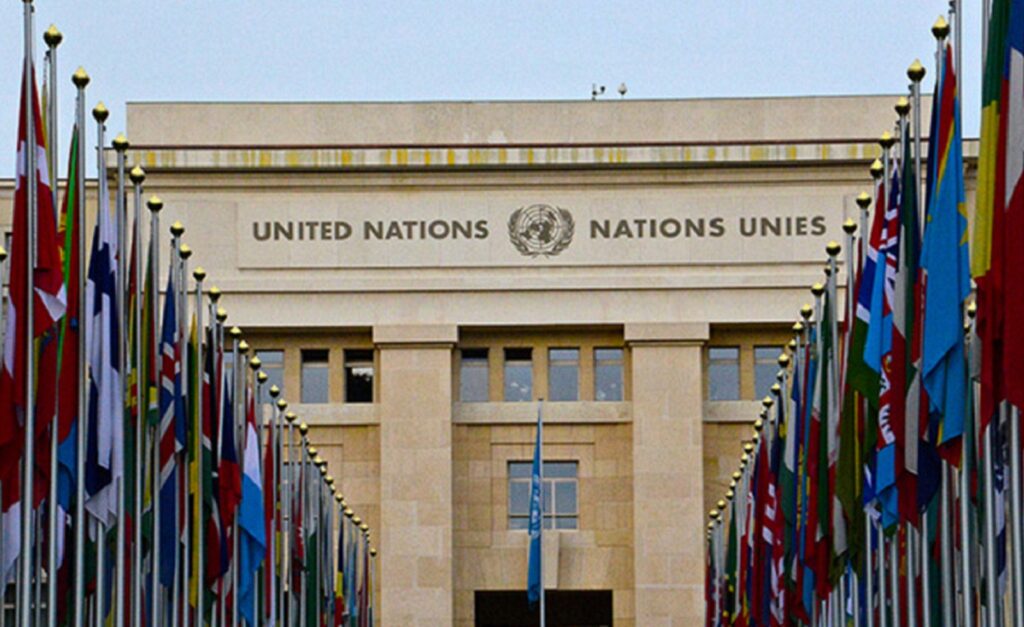
The United Nations Conference on Trade and Development warned that the closure of the Strait of Hormuz could push up the prices of essential goods such as food and fuel, particularly affecting vulnerable populations worldwide.
In Egypt, where fuel prices recently rose by as much as 30 percent, residents are already feeling the pressure.
At a market in Cairo, a mother of six identified as Om Mohamed expressed concern about how families would cope.
“We were barely getting by as it is. I don’t know how people will manage,” she said.
Analysts say the economic outlook remains extremely uncertain.
Ipek Ozkardeskaya from Swissquote Bank noted that markets were reacting sharply to every new development, even when official statements contradicted one another.
“Rare are days in the markets when you get this much volatility,” she said, adding that investors were overreacting to the rapid flow of conflicting information.
She warned that the Middle East conflict continues to escalate with no clear resolution in sight and limited clarity about Washington’s long-term strategy.
What you should know
The Strait of Hormuz is one of the world’s most important energy corridors, with a large portion of global oil and liquefied natural gas shipments passing through it daily.
Any disruption in the waterway can significantly impact global energy prices and supply chains. The ongoing war between Iran and its adversaries has raised fears of a broader regional conflict that could destabilize the Middle East and disrupt international trade.
Energy markets and governments worldwide are closely watching developments as the situation continues to evolve.