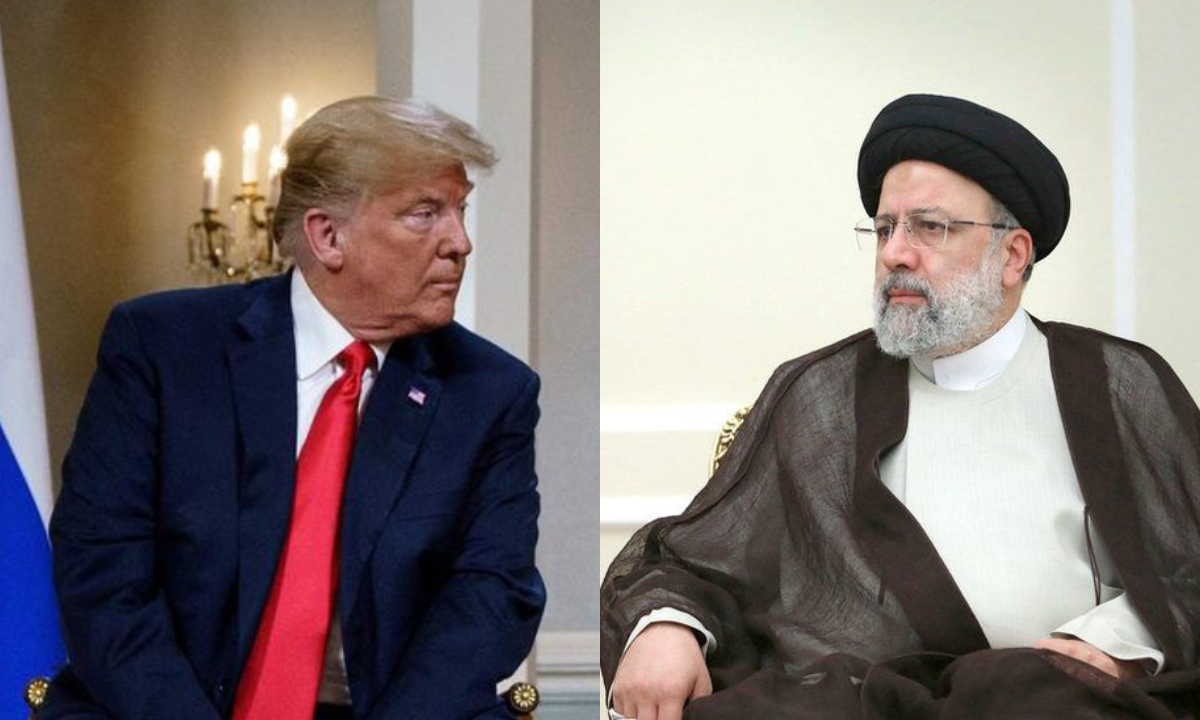
Iran said on Monday that the United States has adjusted its approach to Tehran’s nuclear programme in what officials describe as a more pragmatic direction, as both sides prepare for a second round of negotiations.
According to the state-run Islamic Republic News Agency, Foreign Ministry spokesman Esmaeil Baqaei stated that discussions held so far in Muscat suggest a shift in Washington’s posture regarding the long-running nuclear dispute.
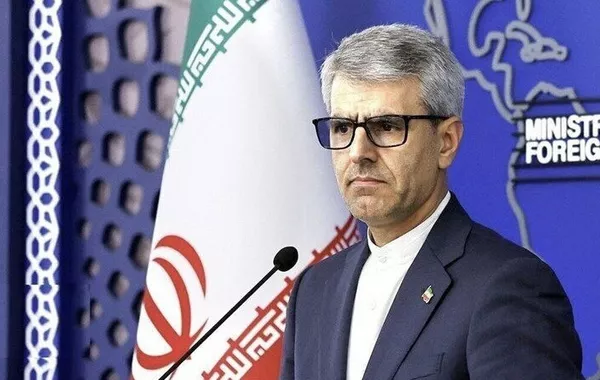
“A cautious assessment is that, from the discussions that have taken place in Muscat to date, at least what we have been told is that the US position on the Iranian nuclear issue has moved towards a more realistic one,” Baqaei said.
He further explained that Iran’s “inalienable rights under the Non-Proliferation Treaty (NPT)” had been acknowledged during the talks, particularly its entitlement to the peaceful application of nuclear technology, including uranium enrichment.
Tehran and Washington are scheduled to reconvene on Tuesday for a second phase of negotiations that began earlier this month. Previous diplomatic efforts collapsed during last year’s Iran-Israel conflict.
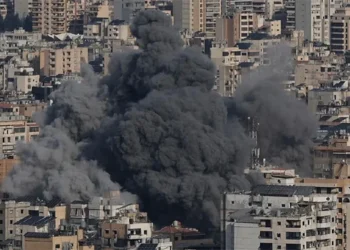
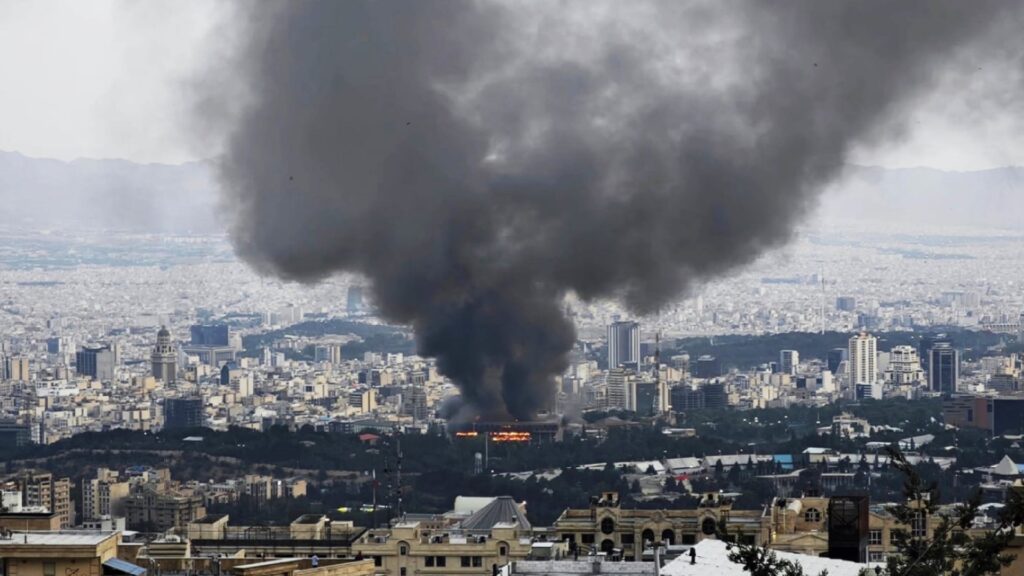
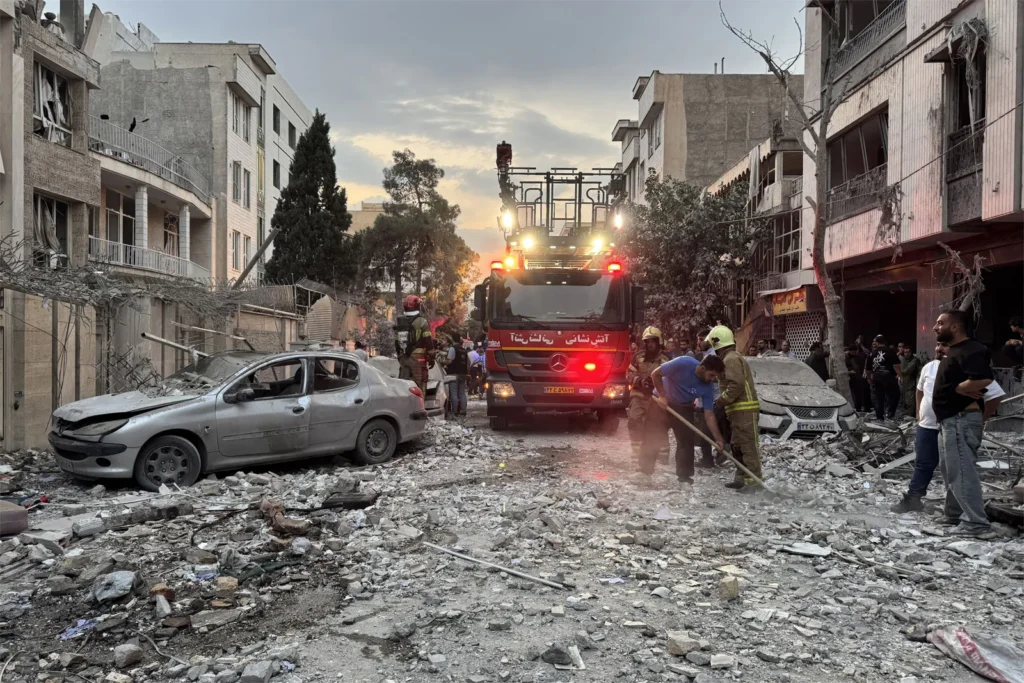
In June, Israel initiated an extensive aerial assault on Iranian territory, igniting a 12-day confrontation in which both Israel and the United States carried out strikes on Iran’s nuclear infrastructure.
As preparations continue for the renewed engagement, Baqaei emphasised that the removal of long-standing US sanctions remains central to Iran’s position. He noted that the sanctions have intensified economic hardship across the country and underscored the urgency of resolving the matter.
“Time is of the essence for us. Our people are under the pressure of oppressive sanctions, and reason and logic demand that we lift these sanctions as soon as possible,” he said.
A key area of disagreement remains Iran’s stockpile of enriched uranium, which had reached 60 percent purity prior to the outbreak of hostilities. Washington has consistently called for Tehran to reduce enrichment levels to zero. On Sunday, Israel reiterated its demand that Iran retain “no enrichment capability” and insisted that all enriched nuclear material be moved out of the country.
Uncertainty also surrounds the current status of more than 400 kilogrammes of uranium enriched to 60 percent. International inspectors last verified the stockpile in June before the war began. Iranian authorities have since claimed that the material remains beneath debris at nuclear facilities hit during the conflict.
While Tehran maintains that uranium enrichment is its sovereign right under international agreements, it has signalled openness to diluting its highly enriched reserves if comprehensive sanctions relief is granted. Dilution involves blending enriched uranium with other substances to reduce its concentration below specific limits.
The upcoming talks take place against a backdrop of rising regional strain. Washington recently deployed an aircraft carrier strike group to the Gulf following Iran’s deadly suppression of anti-government protests last month.
The demonstrations were triggered by worsening economic conditions, further compounding tensions between the two countries.
What you should know
Iran says the US has adopted a more pragmatic stance on its nuclear programme ahead of a second round of negotiations in Muscat.
Tehran insists its right to peaceful nuclear enrichment under the NPT has been recognised, while pressing for the lifting of sanctions that have strained its economy. Major sticking points include Iran’s 60 percent enriched uranium stockpile and calls from Washington and Israel for zero enrichment.
The talks come amid heightened regional tensions and renewed US military presence in the Gulf.