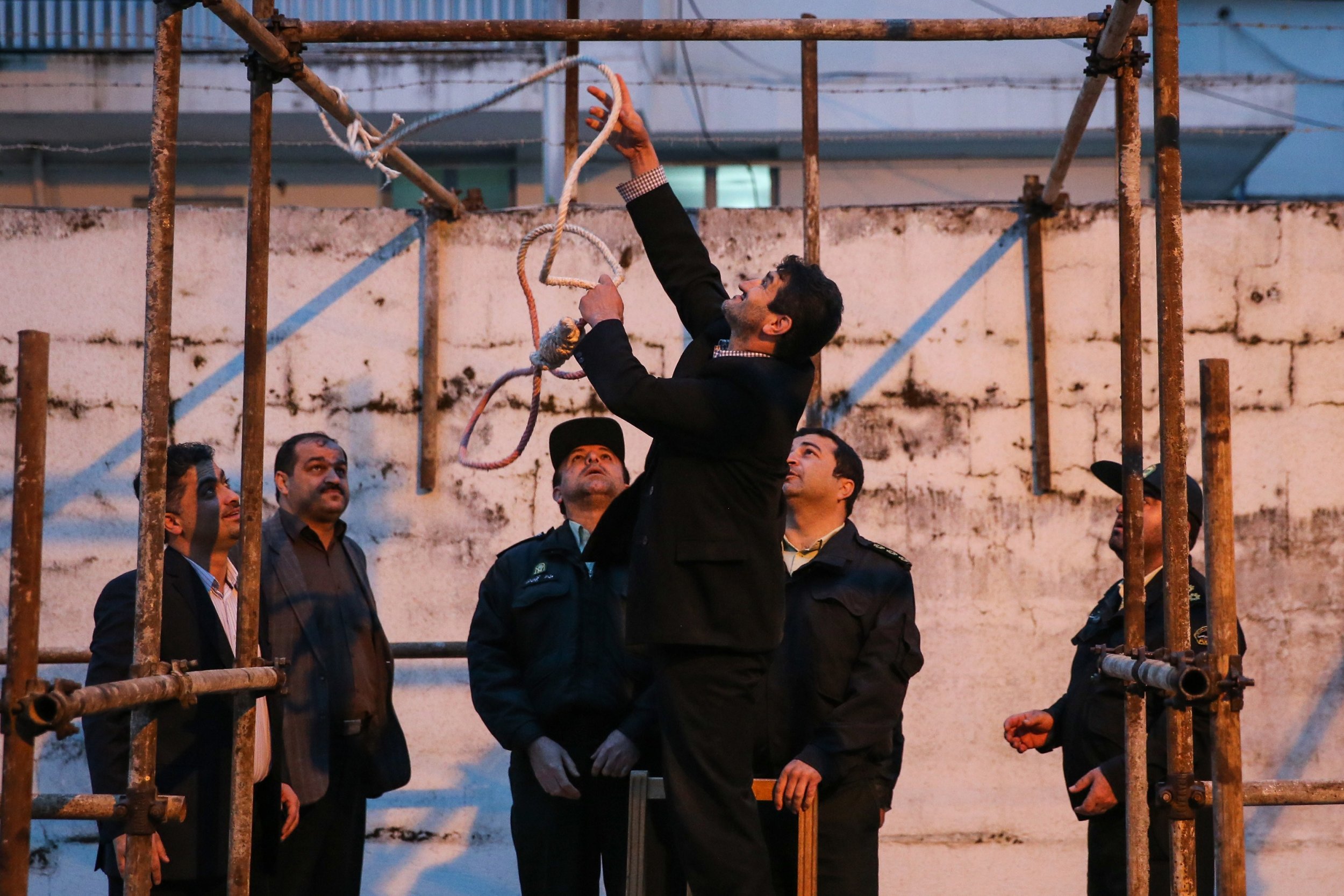
Iranian authorities executed Mehran Bahramian on Saturday after convicting him in connection with a deadly assault on security personnel during the 2022 nationwide protests.
The judiciary’s Mizan Online news outlet confirmed the execution, stating that Bahramian was involved in an armed attack on a vehicle carrying security officers in Semirom, Isfahan province.
According to reports, the December 31, 2022, incident left officer Mohsen Rezaei dead and several others wounded. The attack took place amid mass demonstrations triggered by the death of Mahsa Amini, the 22-year-old Iranian Kurd who died in police custody after being detained for allegedly violating Iran’s dress code for women.
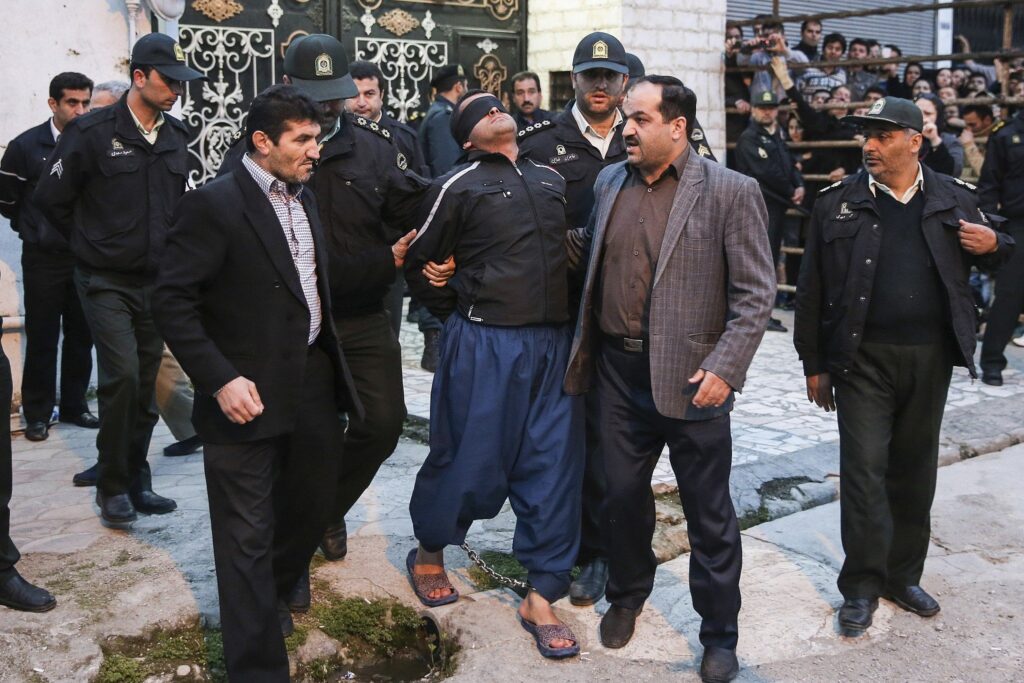
Bahramian was convicted by the Revolutionary Court of Isfahan on charges of “moharebeh”—waging war against God—after being accused of firing at the security vehicle and inciting attacks on government buildings and personnel. The court described him as a “thug.” His sentence was upheld by Iran’s Supreme Court and carried out in the early hours of Saturday.
The 2022 protests saw hundreds of people killed, including members of Iran’s security forces, and thousands arrested. In the aftermath, Iranian authorities have conducted multiple trials and executions linked to the unrest.
In June, another protester, Abbas Kurkuri, was executed after being convicted of killing seven people during the demonstrations.
Iran remains one of the world’s leading executioners, second only to China, according to Amnesty International and other human rights groups.
What you should know
Mehran Bahramian’s execution underscores Iran’s continued crackdown on those involved in the 2022 protests following Mahsa Amini’s death.
With several protesters already tried and executed, Iran’s use of capital punishment highlights its hardline approach to dissent, drawing global criticism from human rights organizations.