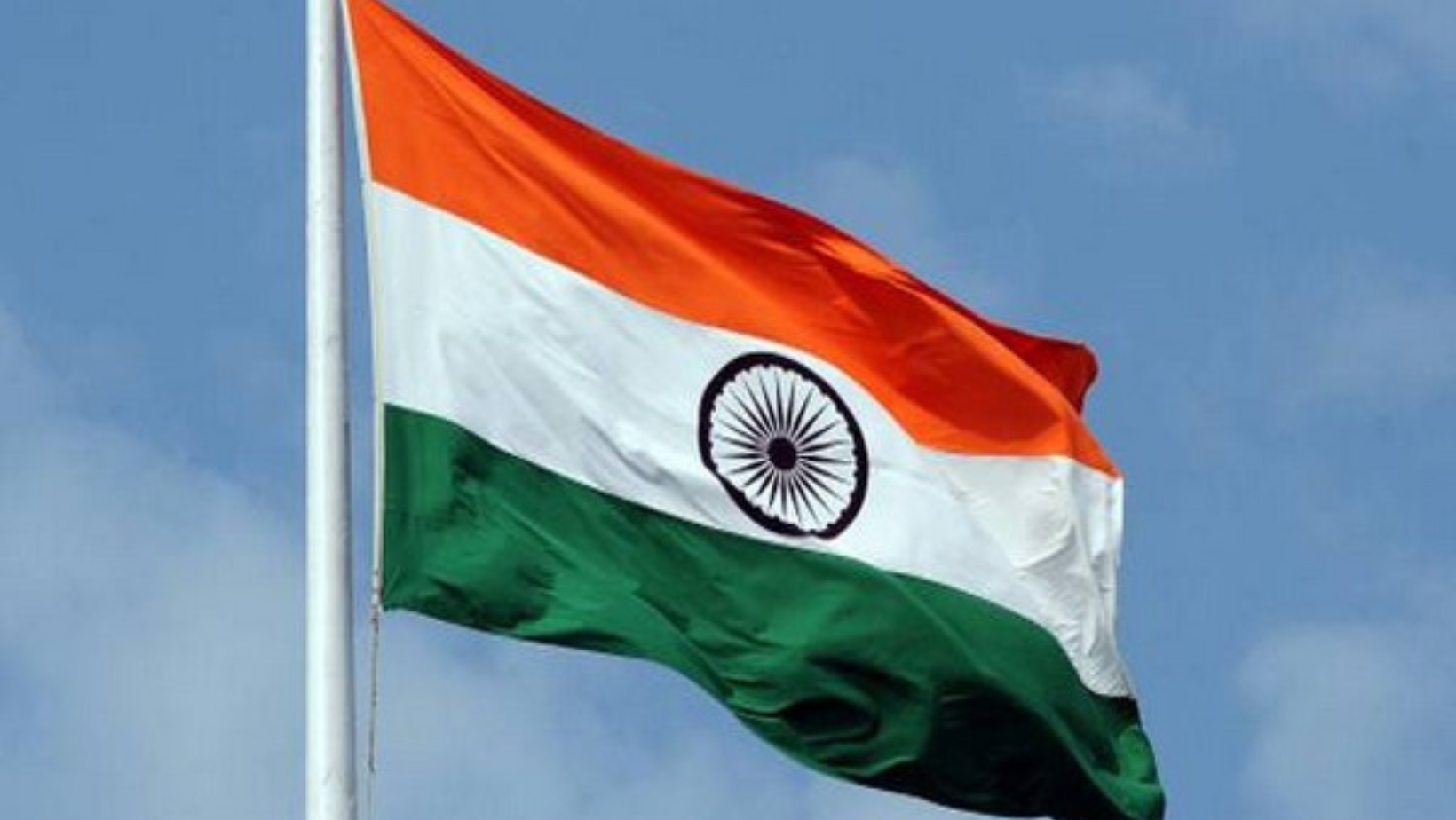
India launched a blistering counterattack against mounting Western pressure over its Russian oil purchases, accusing the United States and European Union of “unjustified” double standards while revealing the scale of their own continued trade with Moscow despite nearly three years of war in Ukraine.
The sharp diplomatic rebuke, delivered through India’s Foreign Ministry late Monday, came as tensions with Washington reached a new low following President Donald Trump’s renewed threat to impose punitive tariffs on Indian goods over New Delhi’s energy ties with Russia.
In an unusually detailed response that laid bare Western commercial relationships with Moscow, India’s foreign ministry revealed that the EU conducted €67.5 billion ($78.02 billion) in trade with Russia throughout 2024—including record imports of 16.5 million metric tons of Russian liquefied natural gas. The statement also highlighted continued US imports of Russian uranium hexafluoride for nuclear power plants, along with palladium, fertilizers, and chemicals.
“It is revealing that the very nations criticizing India are themselves indulging in trade with Russia,” the ministry declared, calling the selective targeting of India’s energy purchases “unjustified.”
The diplomatic spat has escalated rapidly since July 31, when Trump first announced a 25% tariff on Indian goods and threatened unspecified penalties over Russian oil purchases. India remains one of Moscow’s largest crude customers, importing approximately 1.75 million barrels daily in the first half of this year—a 1% increase from 2023 levels.
Rare Political Unity in Face of Trump Pressure
The external pressure has achieved something rarely seen in India’s fractious political landscape: unity between Prime Minister Narendra Modi’s ruling BJP and the opposition Congress party. Both condemned Trump’s “disparaging remarks” in a coordinated response that underscored the domestic political sensitivity of appearing to bow to foreign pressure.
“The time has come to call out this constant bullying and hectoring,” declared Congress parliamentarian Manish Tewari, arguing that Trump’s approach “hurt the dignity and self-respect of Indians.”
BJP Vice President Baijayant Jay Panda invoked Cold War-era diplomat Henry Kissinger’s famous warning that “to be an enemy of America can be dangerous, but to be a friend is fatal”—a “pointed reminder that India has traditionally viewed itself as a strategic partner rather than subordinate to Washington.
Economic Stakes Rise as Markets React
The dispute carries significant economic implications for both nations. Trade experts predict Trump’s threatened tariffs could slash Indian exports to the US by 30% in the current fiscal year, dropping from $86.5 billion to approximately $60.6 billion—a devastating blow to India’s export-dependent sectors.
Indian equity markets declined following Trump’s latest tariff threats, reflecting investor concerns about the potential economic fallout from deteriorating US-India relations.
The timing is particularly awkward given the broader strategic partnership between Washington and New Delhi, built around shared concerns about China’s rise and cooperation in the Indo-Pacific region through forums like the Quad alliance.
European Sanctions Add Fresh Complications
The dispute has been further complicated by EU sanctions imposed in July on Indian refiner Nayara Energy, majority-owned by Russian entities including oil giant Rosneft. India has firmly rejected what it calls “unilateral sanctions” by the European bloc, arguing they lack international legal authority.
The sanctions targeting Nayara Energy represent a significant escalation, directly impacting Indian commercial interests rather than merely criticizing government policy. The move has reinforced New Delhi’s argument that Western nations are applying inconsistent standards while maintaining their Russian trade relationships.
Historical Context of Energy Pragmatism
India’s defense of its Russian energy purchases reflects a broader foreign policy doctrine of strategic autonomy that has guided New Delhi through decades of Cold War and post-Cold War geopolitics. Indian officials consistently argue that their primary obligation is to secure affordable energy for 1.4 billion citizens, regardless of Western geopolitical preferences.
The current standoff echoes historical tensions when India faced similar pressure during the Soviet-Afghan War and other Cold War crises, typically responding by emphasizing its non-aligned status and rejection of external dictates on sovereign decisions.
As diplomatic temperatures rise, both Washington and New Delhi face difficult choices about whether strategic partnership or economic nationalism will ultimately prevail in what has become the most serious crisis in US-India relations in years.
WHAT YOU SHOULD KNOW
India is pushing back hard against US and EU criticism of its Russian oil purchases, exposing what it calls Western hypocrisy by revealing that Europe still trades €67.5 billion annually with Russia, while America continues importing Russian nuclear materials and chemicals.
The dispute has escalated into a serious diplomatic crisis, with Trump threatening 25% tariffs on Indian goods and the EU sanctioning an Indian refiner. Most significantly, this external pressure has united India’s normally divided political parties in rare bipartisan defiance, signaling that Western nations may have overplayed their hand.