• About Us
  • Advertise
  • Privacy & Policy
  • Contact Us
  • Terms and Conditions
Friday, March 6, 2026
Verily News
No Result
View All Result
  • News
    • Breaking News
    • Global News
  • Politics
    • Political Analysis
    • Government & Policies
  • Business & Economy
    • DIY and FAQ
    • Product Reviews
  • Entertainment
    • Sports
    • Movie
    • Music
  • Technology
  • Trends
  • Fact-Check
    • Investigative Reports
  • Opinion
  • Share your story
  • News
    • Breaking News
    • Global News
  • Politics
    • Political Analysis
    • Government & Policies
  • Business & Economy
    • DIY and FAQ
    • Product Reviews
  • Entertainment
    • Sports
    • Movie
    • Music
  • Technology
  • Trends
  • Fact-Check
    • Investigative Reports
  • Opinion
  • Share your story
No Result
View All Result
No Result
View All Result
Home Business & Economy

IMF Sounds Alarm on Illicit Financial Flows Threatening Emerging Economies

October 14, 2025
in Business & Economy
Reading Time: 3 mins read
0
IMF
Share on FacebookShare on TwitterShare on Linkedin
Spread the love

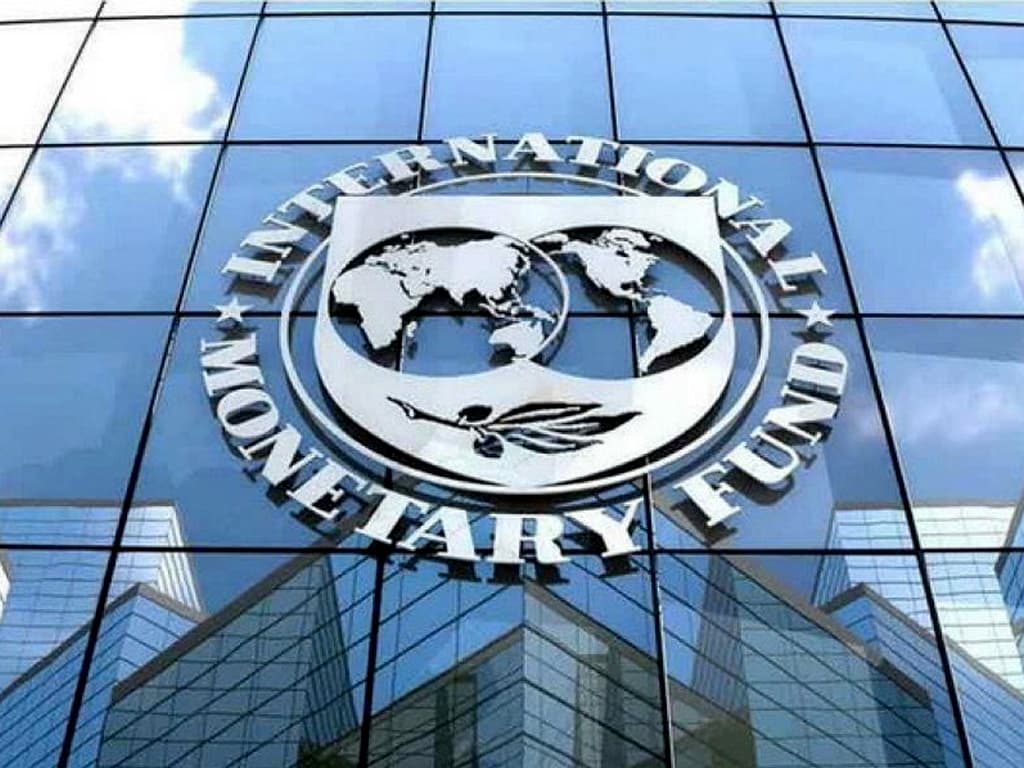
The International Monetary Fund (IMF) has issued a stark warning to Nigeria and other emerging market economies, calling for urgent strengthening of safeguards against illicit financial flows that pose serious risks to economic stability and international standing.

Speaking at a Civil Society Town Hall during the IMF–World Bank Annual Meetings in Washington, IMF Managing Director Kristalina Georgieva emphasized that the scourge of dirty money represents a multifaceted threat that extends far beyond simple financial loss, undermining the very foundations of governance and eroding hard-won credibility on the global stage.

“Strong governance and robust anti-money-laundering systems are not optional extras—they are vital infrastructure for sustaining economic growth and attracting the investment these countries desperately need,” Georgieva told civil society representatives gathered at the meetings, which bring together finance ministers, central bankers, and development experts from around the world.

The warning comes at a particularly vulnerable moment for many developing economies, which are grappling with mounting debt burdens and fragile institutional frameworks in the aftermath of the COVID-19 pandemic and amid ongoing global economic uncertainty. For these nations, the stakes could hardly be higher: illicit flows drain resources that could otherwise fund critical infrastructure, healthcare, and education, while simultaneously deterring legitimate foreign investment.

Nigeria, Africa’s largest economy and most populous nation, has long struggled with the twin challenges of corruption and capital flight. The country loses billions of dollars annually through various forms of illicit financial activities, including proceeds from oil theft, corruption, tax evasion, and money laundering operations that exploit weak regulatory oversight.

The IMF chief’s remarks underscore growing international concern about the sophisticated networks that facilitate the movement of illicit funds across borders, often exploiting gaps in regulatory frameworks and taking advantage of countries with inadequate monitoring systems. These flows not only deprive governments of tax revenue but also distort economic data, complicate monetary policy, and can facilitate other criminal activities, including terrorism financing and drug trafficking.

Georgieva’s emphasis on governance speaks to a broader recognition within international financial institutions that technical fixes alone—improved banking regulations, enhanced reporting requirements, and stronger enforcement mechanisms—cannot succeed without fundamental improvements in institutional integrity and political will.

For emerging economies seeking to attract foreign direct investment and access international capital markets on favorable terms, reputation matters enormously. Countries perceived as havens for dirty money face higher borrowing costs, reduced investment flows, and potential sanctions or blacklisting by international bodies such as the Financial Action Task Force, which sets global standards for combating money laundering and terrorist financing.

The IMF’s message is clear: in an increasingly interconnected global financial system, emerging economies cannot afford to be weak links in the chain of financial integrity. The cost of inaction—in terms of lost development opportunities, diminished credibility, and persistent instability—far exceeds the investment required to build robust anti-money-laundering frameworks.

As the Annual Meetings continue, the spotlight on illicit financial flows signals that international lenders are likely to place greater emphasis on governance reforms as conditions for financial assistance, raising the bar for countries seeking IMF support in navigating their economic challenges.

WHAT YOU SHOULD KNOW

The IMF has delivered a critical message to Nigeria and other developing nations: dirty money isn’t just a financial problem—it’s an existential threat. Illicit financial flows are draining resources, scaring away legitimate investors, and trapping debt-burdened countries in a vicious cycle of instability.

The solution isn’t optional: countries must build strong anti-money-laundering systems and improve governance now, or risk being locked out of global investment opportunities and condemned to continued economic struggle.

In today’s interconnected financial world, a country’s reputation for financial integrity is as valuable as its natural resources—and far easier to lose.

Tags: Emerging EconomiesIMFNigeria
Share197Tweet123Share35
Previous Post

Governor Peter Mbah Dumps PDP, Joins APC in Major Political Shift

Next Post

OpenAI Partners With Broadcom To Build Custom AI Chips Amid Global Expansion

Related Posts

Dangote

Dangote Refinery Assures Nigerians of Stable Petrol Supply

by Victoria Ogbadu
March 5, 2026
0

Dangote Petroleum Refinery & Petrochemicals has reassured Nigerians of its commitment to ensuring a steady supply of petrol across the...

Crypto

Crypto Bill Reaches Deadlock

by Victoria Ogbadu
March 5, 2026
0

Negotiations over the cryptocurrency reform bill have ground to a halt, with major banks refusing to endorse a White House-brokered...

Banks

Banks Stay Cautious Amid Private Lending Drop

by Victoria Ogbadu
March 5, 2026
0

Nigerian banks tightened their lending purse strings at the dawn of 2026, as fresh data from the Central Bank of...

Manufacturing

Nigeria Targets 25% Manufacturing GDP by 2035

by Victoria Ogbadu
March 5, 2026
0

The federal government has launched the Nigeria Industrial Policy (NIP), targeting a dramatic increase in the manufacturing sector's contribution to...

Gas

Cooking Gas Prices Surge Amid Middle East Crisis

by Victoria Ogbadu
March 5, 2026
0

The price of liquefied petroleum gas (LPG), commonly known as cooking gas, has skyrocketed across Nigeria, with retailers now charging...

Load More
Next Post
Photo combo of OpenAI and Broadcom

OpenAI Partners With Broadcom To Build Custom AI Chips Amid Global Expansion

Cameroon’s opposition candidate, Issa Tchiroma Bakary.

Cameroon’s Opposition Leader Tchiroma Declares Victory Over President Paul Biya

CBN

Nigerian banks park N146 trillion with CBN as excess liquidity floods system

Photo of Sebastien Lecornu

French Prime Minister Lecornu Faces Crucial Confidence Test Amid Deepening Political Crisis

Alibaba

Alibaba Defends Polygamy: 'Multiple Wives Keep Women in Check'

Trump At ASEAN Summit In Malaysia

Trump To Attend Thailand-Cambodia Peace Deal Signing At ASEAN Summit In Malaysia

PDP and APC symbol

Three Kaduna PDP Lawmakers Defect To APC, Citing Party Crisis, Support For Tinubu’s Agenda

Gold

Gold Surges Past $4,100 for First Time, Up 57% This Year

IMF

Nigeria’s Growth Outlook Improves as IMF Projects 4.2% Expansion by 2026

Photo of Madagascar President Andry Rajoelina

Madagascar Military Seizes Power After Parliament Impeaches President Rajoelina

  • Trending
  • Comments
  • Latest
cbn governor olayemi cardoso

CBN Approves Merger Between Two Banks

February 23, 2026
us to deport 79 nigerians

Full List: US To Deport 79 Nigerians

February 11, 2026
FG (TInubu) To Stop Salaries Of Unverified Workers

Tinubu Makes 12 New Appointments

February 11, 2026
Rihanna

Rihanna: Vibrant Star Elevating Nigerian Fashion Trends

1
Markets

European Markets Fall as French Government Crisis Deepens, Trump Fires Fed Governor

1
Kenya Airways

Viral video: Drama at Airport as Nigerian Woman Clashes with Kenya Airways Over Visa Issue

0
Photo of Seif al-Islam Gaddafi

Libya Identifies Suspects in Gaddafi Son’s Killing

March 5, 2026
CAF Postpones 2026 WAFCON

CAF Postpones 2026 WAFCON

March 5, 2026
Dangote

Dangote Refinery Assures Nigerians of Stable Petrol Supply

March 5, 2026
Verily News

Copyright © 2025 Verily News.

Navigate Site

  • About Us
  • Advertise
  • Privacy & Policy
  • Contact Us
  • Terms and Conditions

Follow Us

No Result
View All Result
  • News
    • Breaking News
    • Global News
  • Politics
    • Political Analysis
    • Government & Policies
  • Business & Economy
    • DIY and FAQ
    • Product Reviews
  • Entertainment
    • Sports
    • Movie
    • Music
  • Technology
  • Trends
  • Fact-Check
    • Investigative Reports
  • Opinion
  • Share your story

Copyright © 2025 Verily News.

This website uses cookies. By continuing to use this website you are giving consent to cookies being used. Visit our Privacy and Cookie Policy.
Get Breaking News Alerts on WhatsApp