The Independent Corrupt Practices and Other Related Offences Commission has declared that it will proceed with its investigation into the former Managing Director of the Nigerian Midstream and Downstream Petroleum Regulatory Authority, Ahmed Farouk, notwithstanding the withdrawal of the petition initially submitted by billionaire businessman Aliko Dangote.
The anti-graft agency said the decision to continue the probe was anchored on its statutory responsibility and the wider public interest.
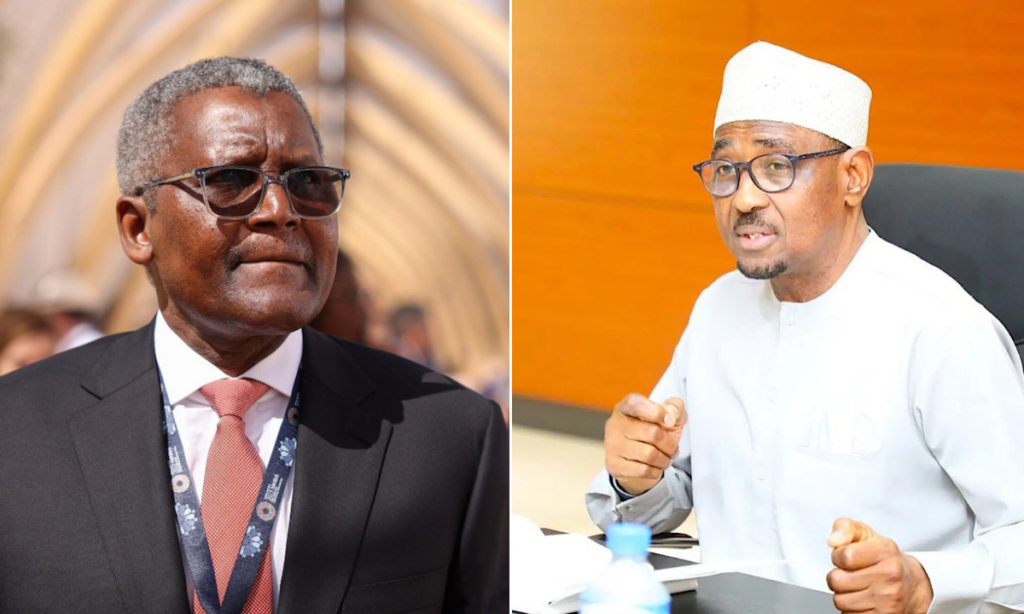
The commission confirmed that it had received a formal “notice of withdrawal” of the petition against Farouk, which was submitted by Dangote’s legal representatives. However, the ICPC stressed that the withdrawal would not halt the investigation, as its mandate empowers it to pursue allegations of corruption once a matter has been initiated.
According to the commission, sections 3(14) and 27(3) of its enabling Act give it the authority to continue investigations in the interest of transparency, accountability, and Nigeria’s anti-corruption efforts.
In a statement issued by its spokesperson, J. Okor Odey, the commission disclosed that the letter conveying the withdrawal was dated January 5, 2026, and titled “Notice of Withdrawal of Petition against Engineer Farouk Ahmed.” The letter was submitted by Dr. O. J. Onoja, SAN and Associates, acting as legal counsel to Alhaji Aliko Dangote.
The statement explained that the legal team informed the commission that the petitioner had withdrawn the petition dated December 16, 2025, in its entirety, adding that another law enforcement agency had reportedly taken over the matter.
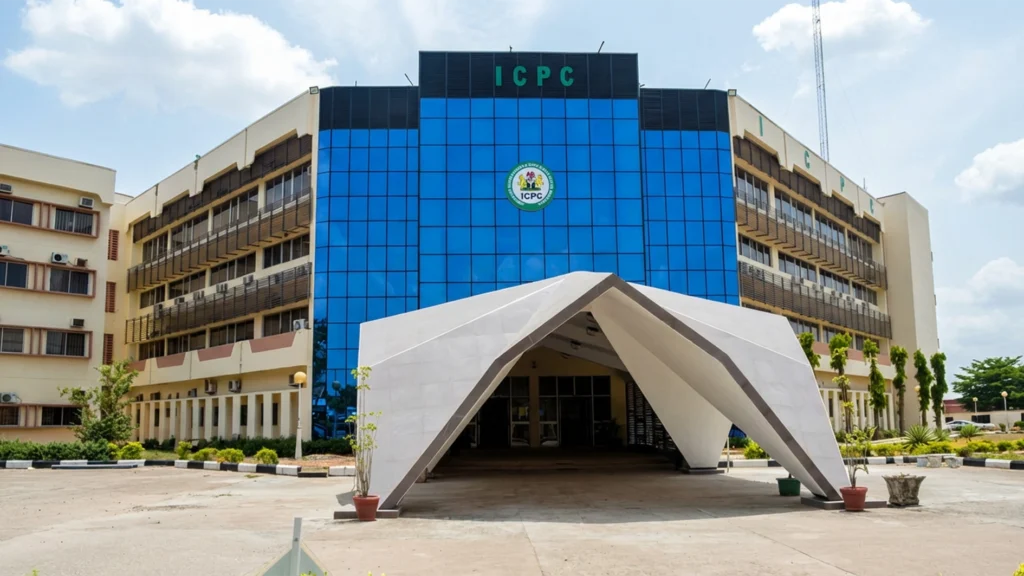
Despite this development, the ICPC made it clear that investigations had already commenced and were ongoing. The commission stated categorically that once allegations of this nature are brought before it, the process cannot simply be discontinued at the discretion of the petitioner, especially where public funds and public trust are involved.
It maintained that its actions were guided by the interests of the Nigerian people and the Nigerian state.
Dangote, who chairs the Dangote Group, had in December 2025 submitted a petition to the ICPC accusing Farouk of corruption and financial impropriety during his tenure as the head of the NMDPRA. In the petition dated December 16, Dangote called for the arrest, investigation, and prosecution of the former regulator, alleging that he lived far above his legitimate means as a public servant.
According to the petition addressed to the Chairman of the ICPC, Musa Aliyu (SAN), Dangote alleged that Farouk spent more than seven million dollars, without proof of lawful income, on the education of his four children in Switzerland over a six-year period.
The petition reportedly contained details of the children, the schools they attended in Switzerland, and the amounts paid, which Dangote said were included to aid verification by the anti-graft agency.
The businessman further alleged that Farouk abused his position by using the instrumentality of the NMDPRA to embezzle and divert public funds for personal benefit and private interests, actions he claimed were detrimental to Nigerians and had previously triggered protests by various groups.
Dangote argued that Farouk had spent his entire adult life working in Nigeria’s public sector and that his cumulative earnings over the years could not reasonably amount to seven million dollars.

According to Dangote, the funds used for the overseas education of Farouk’s children were allegedly diverted from public coffers. However, Farouk firmly rejected the accusations, dismissing them as “wild and spurious” and maintaining his innocence.
The rift between Dangote and Farouk did not begin with the petition. Their dispute can be traced back to July 2024, when the former NMDPRA chief publicly stated that locally refined petroleum products, including those from the Dangote refinery, were inferior in quality to imported products.
That comment reportedly strained relations between both men and set the stage for the subsequent allegations.
What you should know
The ICPC’s decision to continue its investigation despite the withdrawal of Aliko Dangote’s petition underscores the commission’s independence and its power to pursue corruption cases beyond private interests.
The case highlights the tension between regulatory authorities and major industry players, as well as the broader debate over accountability in Nigeria’s oil and gas sector.
With allegations involving billions of naira and public trust, the outcome of the probe could have significant implications for anti-corruption enforcement and governance standards in the country.