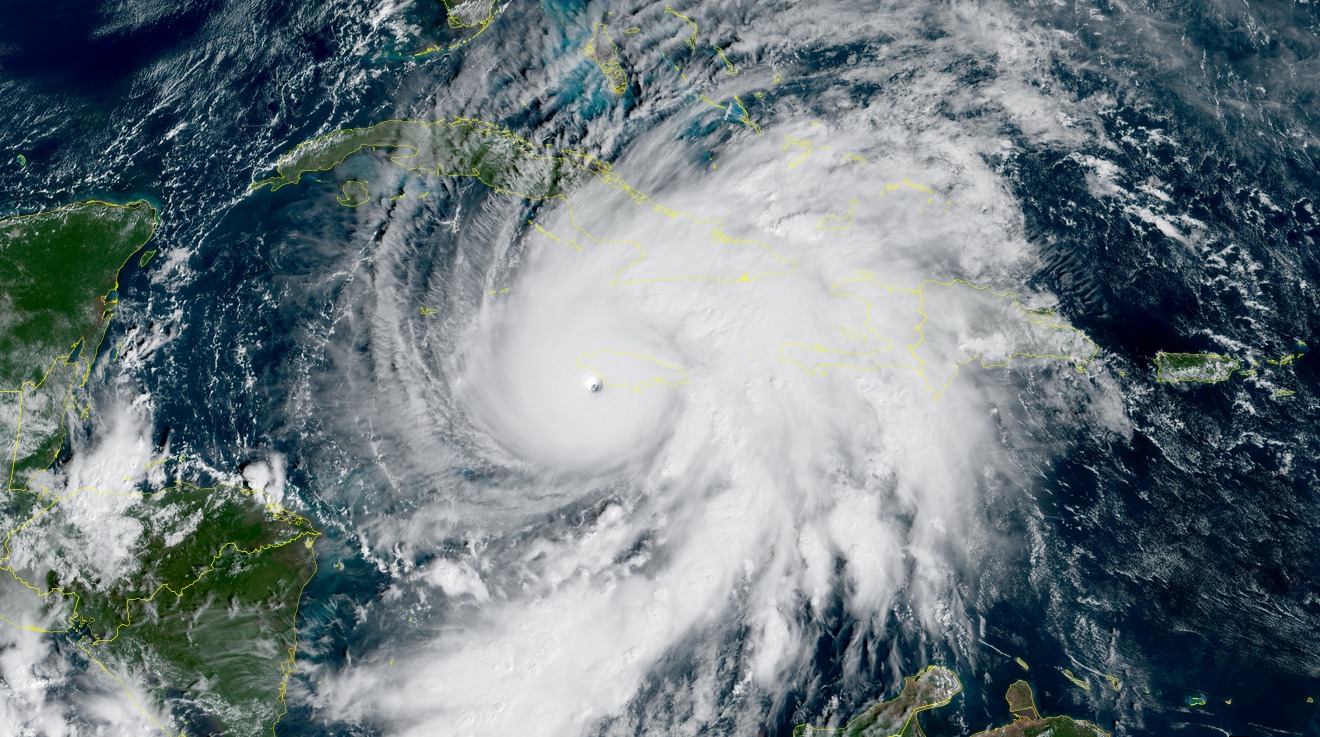
Ferocious winds and relentless rainfall battered Jamaica on Tuesday as Hurricane Melissa made landfall, marking the most powerful storm ever to strike the island and one of the fiercest hurricanes in recorded history.
The monstrous Category 5 hurricane crawled across the Caribbean, unleashing catastrophic floods and life-threatening destruction. The US National Hurricane Centre reported maximum sustained winds of 185 miles per hour (295 kilometres per hour) and warned residents to remain indoors, far from windows, even during the deceptive calm of the storm’s eye.

“This is an extremely dangerous and life-threatening situation!” the agency cautioned.
Melissa’s intensity surpassed even some of the most notorious hurricanes in modern memory, including Hurricane Katrina in 2005, which devastated New Orleans. “For Jamaica, it will be the storm of the century so far,” said Anne-Claire Fontan of the World Meteorological Organisation.
At least seven deaths, three in Jamaica, three in Haiti, and one in the Dominican Republic, have already been reported. Authorities expressed concern that many residents were refusing to evacuate despite repeated warnings.
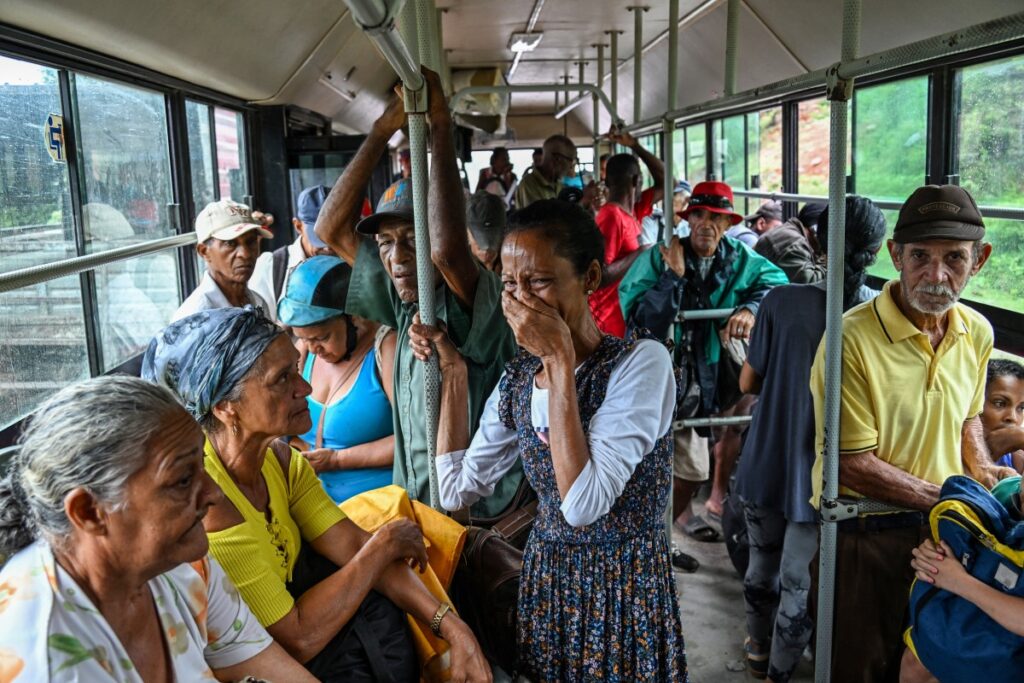
“Jamaica, this is not the time to be brave,” local government minister Desmond McKenzie urged, noting that many of the island’s 880 shelters remained largely empty.
Severe storm surges and rainfall expected to be measured “in feet, not inches” have sparked fears of deadly flooding and landslides. “Keep safe Jamaica,” Olympic legend Usain Bolt posted on X as the storm intensified.
In Kingston, resident Ishack Wilmot told AFP that while his family was safe, they had lost power and water. “The winds are up and gusting,” he said. “Even though we are away from the eye, it’s still really intense and loud.”
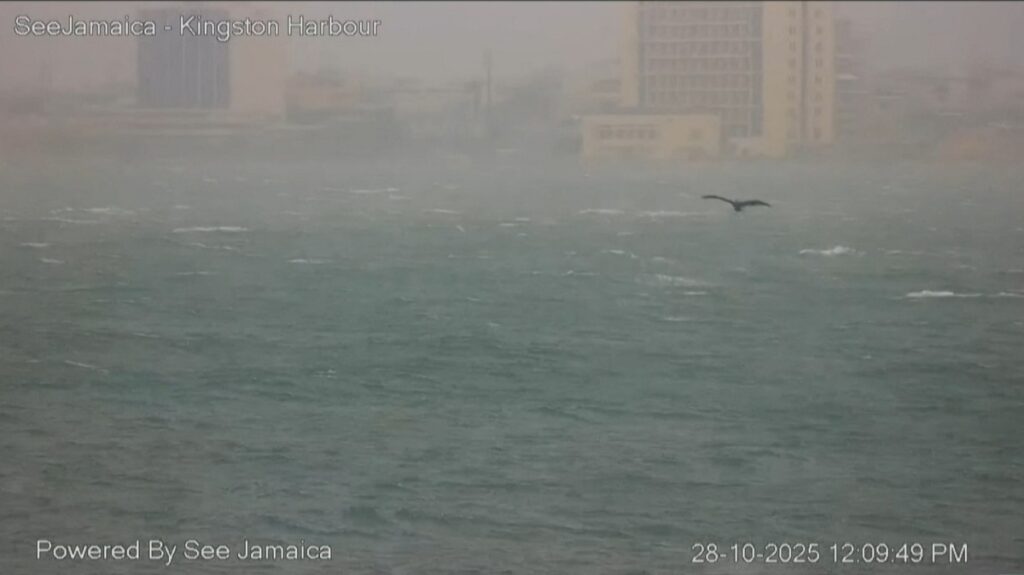
The Jamaican Red Cross, which had distributed water and hygiene kits in preparation for infrastructure damage, described Melissa’s slow movement as deeply unsettling. “Usually, you anticipate that maybe within four hours it would be gone… but Melissa is not looking like that,” said spokesperson Esther Pinnock.
After battering Jamaica, Melissa was expected to hit eastern Cuba late Tuesday, threatening further devastation similar to past disasters like Hurricanes Katrina, Maria, and Harvey.
Experts warn that human-induced climate change has intensified storms like Melissa, making them stronger and more frequent. Meteorologist Kerry Emanuel explained that global warming accelerates storm intensification, increasing rainfall potential. “Water kills a lot more people than wind,” he told AFP.
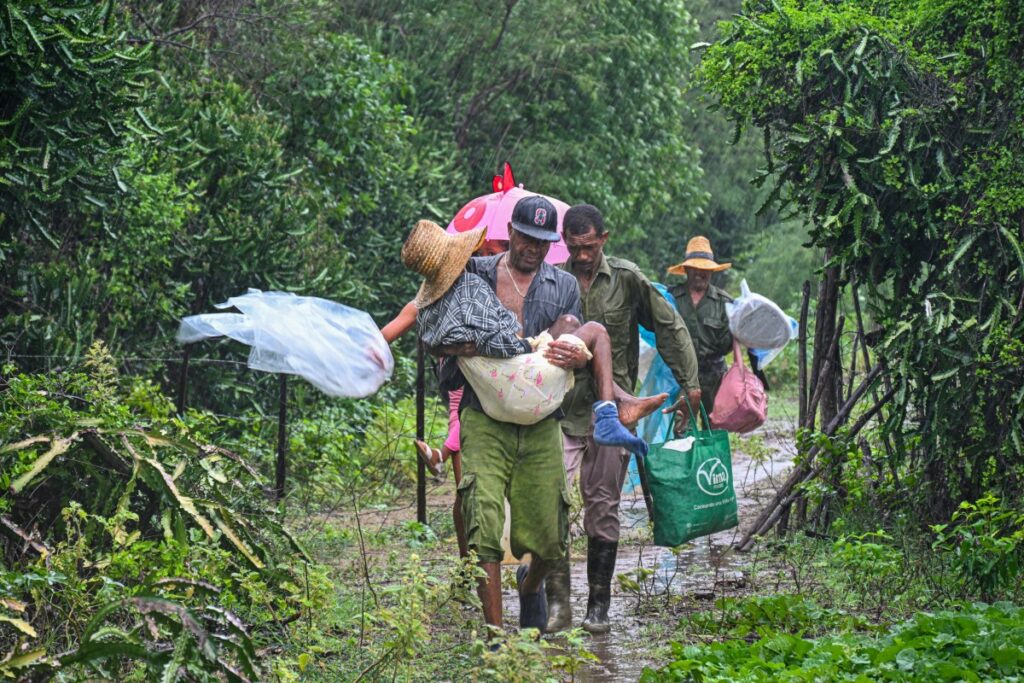
Climate scientist Daniel Gilford added, “Human-caused climate change is making all of the worst aspects of Hurricane Melissa even worse.”
What you should know
Hurricane Melissa stands as one of the most powerful storms ever recorded in the Caribbean, with wind speeds surpassing 185 mph.
Jamaica, still recovering from 2024’s Hurricane Beryl, now faces widespread devastation and humanitarian challenges.
Scientists continue to link such catastrophic weather events to the growing impact of global warming, urging greater investment in climate resilience and disaster preparedness across vulnerable island nations.