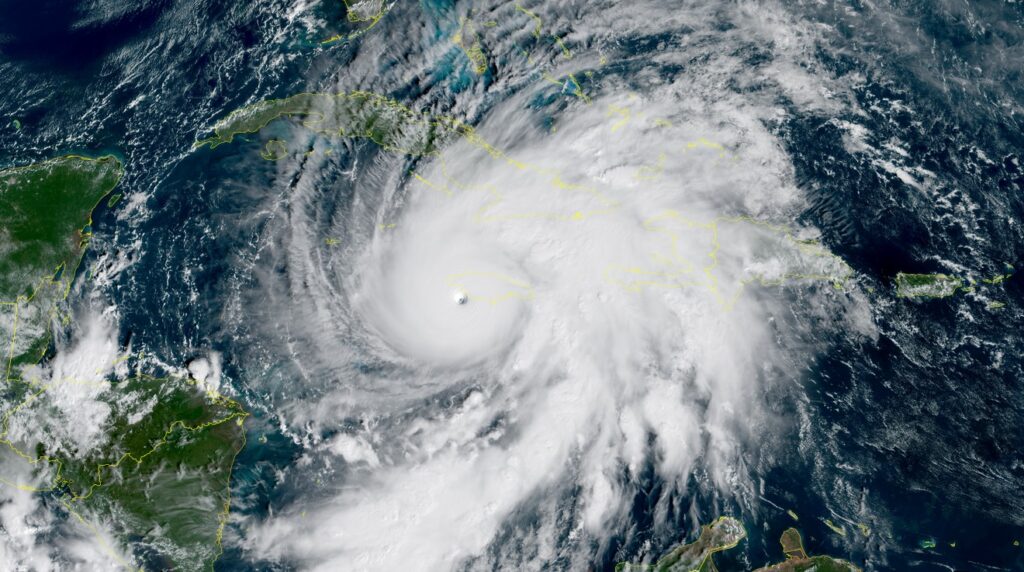
A weakened but still powerful Hurricane Melissa struck Cuba early Wednesday after devastating Jamaica, which has since been declared a “disaster area.”
The US National Hurricane Center (NHC) confirmed that Melissa made landfall in Santiago de Cuba province as a Category 3 hurricane with maximum sustained winds of 120 miles per hour (195 kilometers per hour).
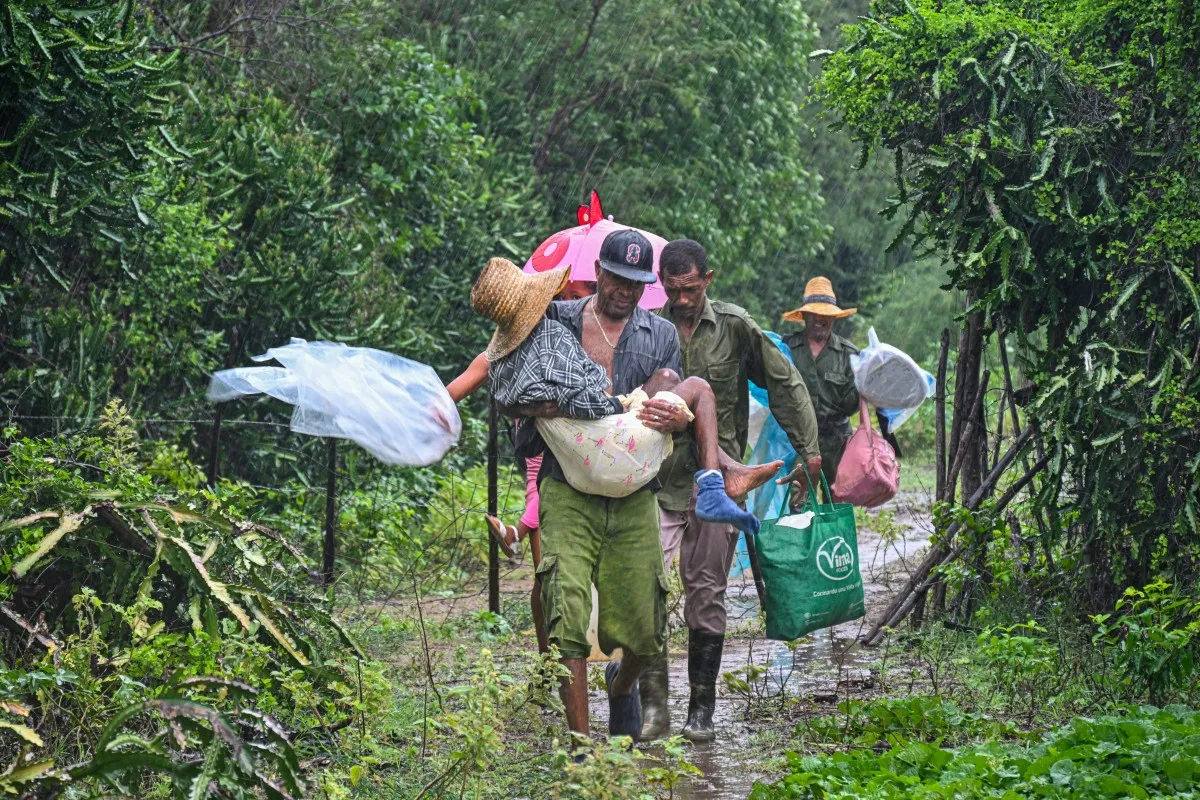
Authorities in six eastern Cuban provinces declared a “state of alert” as residents fled coastal areas and stocked up on essentials. Over 735,000 people were evacuated ahead of the storm. Cuban President Miguel Díaz-Canel warned citizens of a “very difficult night for all of Cuba” but expressed confidence in recovery efforts.
In Haiti, which lies east of Cuba, schools, businesses, and government offices were closed as precautionary measures. Many Cubans, like 80-year-old Floraina Duany, prayed for safety, pleading with the country’s patron saint to spare the island from further devastation.
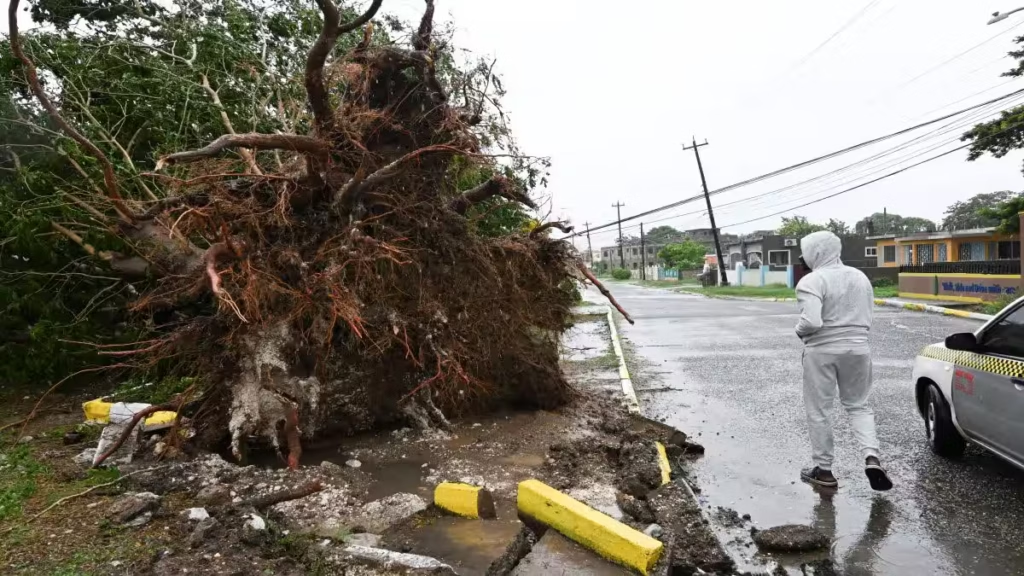
Melissa had earlier made landfall in Jamaica on Tuesday as a Category 5 hurricane, the most powerful ever recorded to hit the island. With winds reaching up to 185 mph (295 km/h), it unleashed torrential rain, widespread flooding, and destruction across the nation. Prime Minister Andrew Holness declared Jamaica a “disaster area,” warning citizens to remain sheltered amid ongoing risks of landslides and flooding.
The full extent of the damage remains unclear as much of Jamaica remains without electricity or communication networks. Several hospitals and public buildings sustained heavy damage, particularly in Saint Elizabeth, a region described by government officials as “underwater.”
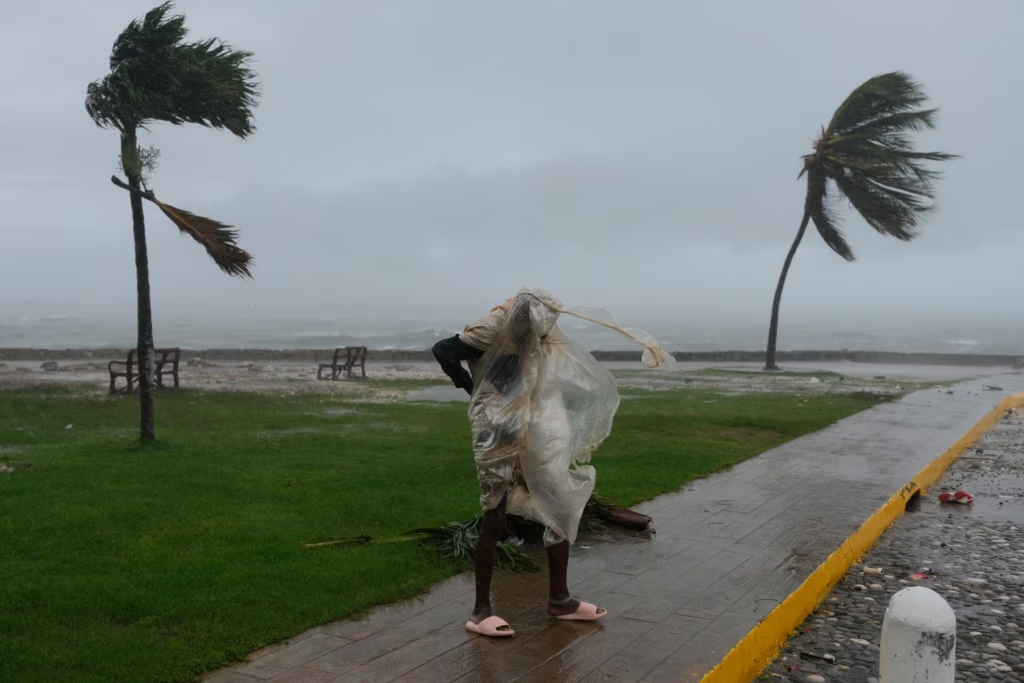
Lisa Sangster, a Kingston resident, recounted how parts of her roof were torn off and her home flooded, while another resident, Mathue Tapper, said those in the capital were “lucky” compared to rural communities hit hardest by the storm.
Jamaica’s climate change minister described the situation as “catastrophic,” with widespread destruction of homes and public infrastructure. Climate scientists, including Daniel Gilford, attributed the hurricane’s extreme intensity to human-driven global warming, which has made powerful storms like Melissa increasingly frequent.
Relief efforts are underway as the Jamaican Red Cross and the United Nations prepare emergency supplies. The UN announced plans to airlift 2,000 relief kits from Barbados to Jamaica once conditions allow. Similar assistance is being organized for Cuba and Haiti.
Around 25,000 tourists are believed to be stranded in Jamaica, a country known for its pristine beaches that are now battered by storm surges and flooding.
What you should know
Hurricane Melissa, one of the most intense storms ever recorded in the Caribbean, left a trail of destruction across Jamaica before striking Cuba.
With thousands evacuated, homes destroyed, and key infrastructure crippled, recovery efforts will likely take weeks. Scientists warn that worsening climate change is making such deadly storms more frequent and more devastating.