Summary
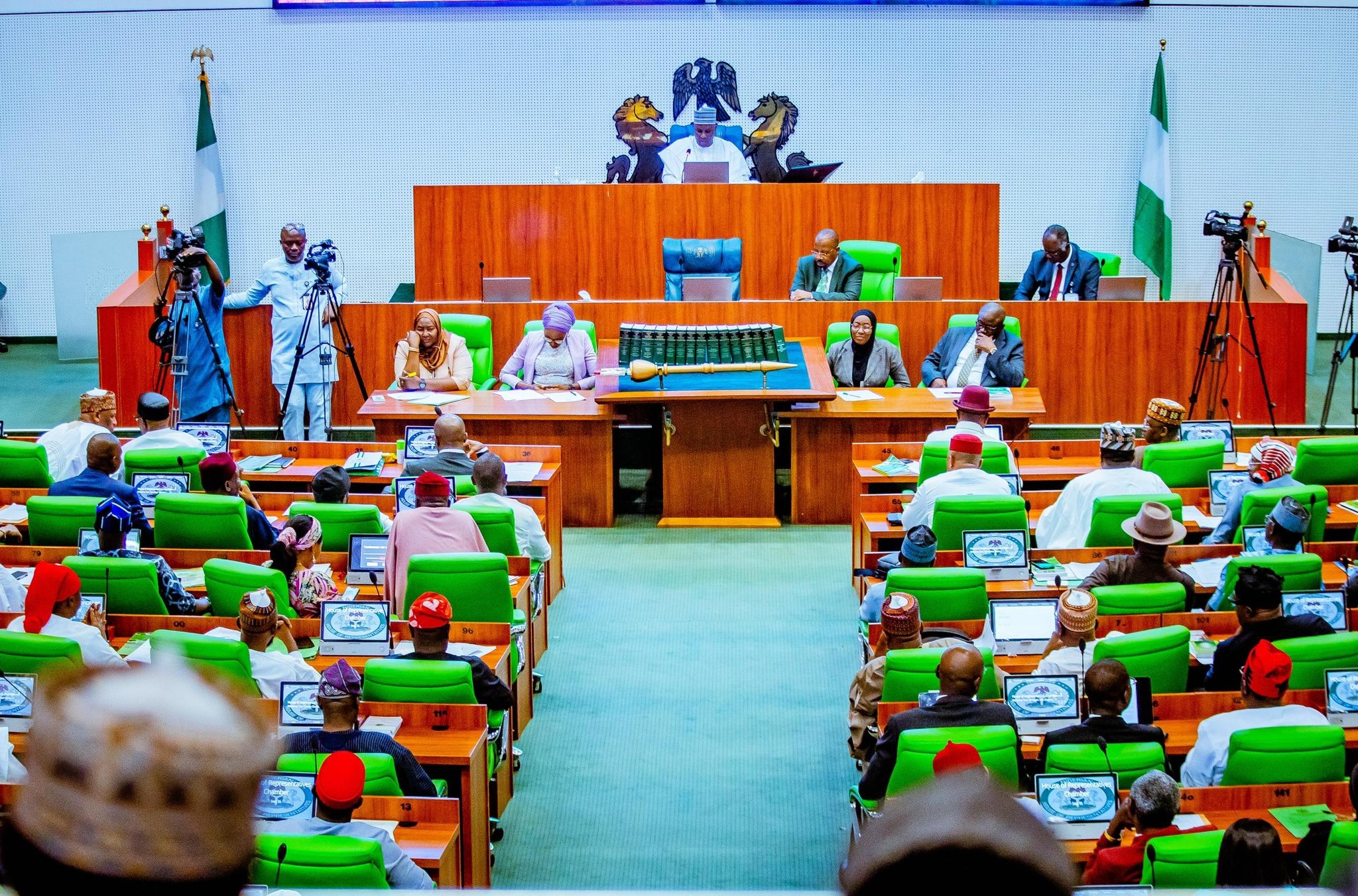
The House of Representatives convened a special plenary focused entirely on Nigeria’s deepening security challenges.
A parliamentary team from St Kitts and Nevis, led by its Speaker, Lanein Blanchette, alongside a delegation from the United States Embassy, was formally welcomed into the chamber for the proceedings.
Lawmakers are set to review a comprehensive internal assessment compiled by various committees, covering security incidents, emerging trends, oversight discoveries, and the execution status of earlier resolutions. Committees handling defense, national security and intelligence, police affairs, human rights, interior, foreign affairs, women affairs, youth development, and emergency and disaster preparedness are expected to present evidence-driven briefings.
The sitting is expected to end with an official resolution that clearly states agreed actions, deadlines, and monitoring structures.
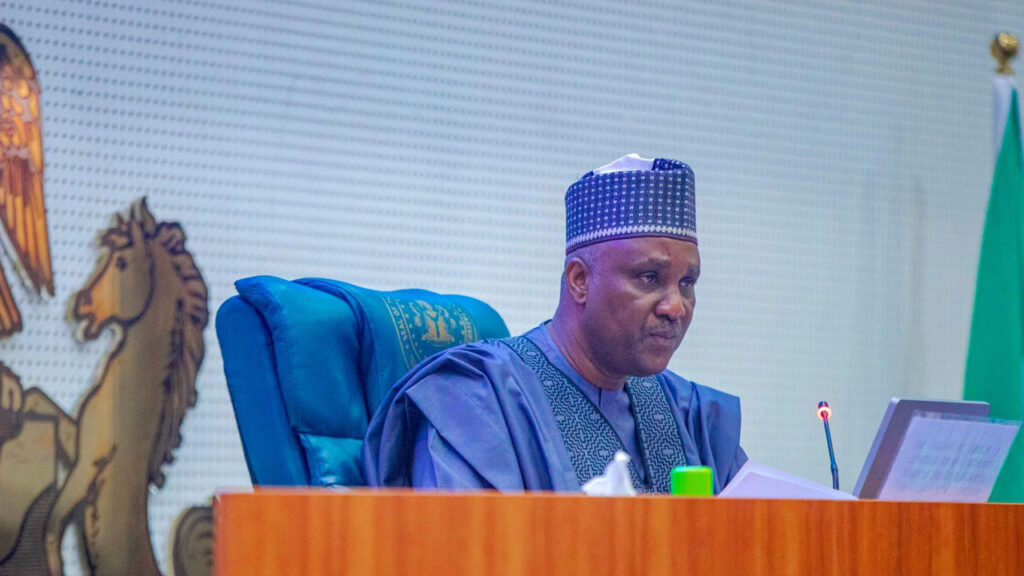
During his opening address, Speaker Tajudeen Abbas emphasised that Nigeria’s sovereignty “is not negotiable” while acknowledging the country’s longstanding ties with the United States. He expressed optimism about partnering with the US to tackle security challenges.
Abbas noted that the House is carefully advancing the Religious Freedom Accountability Bill, stressing that “Christian and Muslim communities have been targeted by terrorist groups.” He also referenced the wave of military coups spreading across West Africa.
Deputy Speaker Benjamin Kalu added that within the next six months, lawmakers will push through legislation banning ransom negotiations, introducing penalties for officials who engage in ransom discussions or approve unstructured amnesty agreements, and setting clear standards for disarmament processes.
Kalu urged a thorough probe into claims that government representatives have held talks with bandits and paid ransom.
Tuesday’s meeting comes amid widespread insecurity nationwide. The mass kidnapping of students and worshippers has dominated recent news, provoking outrage at home and concern abroad. Abductions in Kebbi and Niger states have already forced the shutdown of several northern schools. Critics and opposition parties continue to fault President Bola Tinubu’s administration for failing to secure citizens.
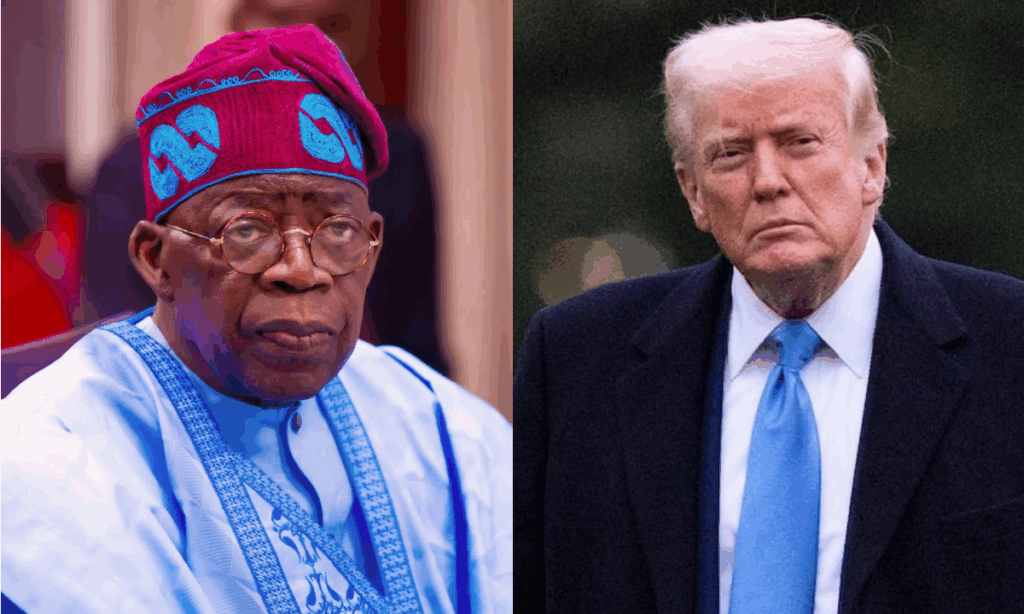
Just last week, the US Congress held a public hearing following President Donald Trump’s redesignation of Nigeria as a Country of Particular Concern (CPC). Legislators, survivors, and experts narrated harrowing experiences tied to escalating violence, including mass abductions, village destruction, and recurring killings recorded over recent years.
What You Should Know
This session reflects the seriousness with which lawmakers now confront Nigeria’s widespread security crisis.
With mass abductions increasing and external observers raising concerns, the House aims to strengthen national security laws, tighten oversight, and ensure clarity on issues such as ransom payments, religious freedom, and counter-terrorism efforts.
The presence of international delegations also signals rising global attention on Nigeria’s internal instability.