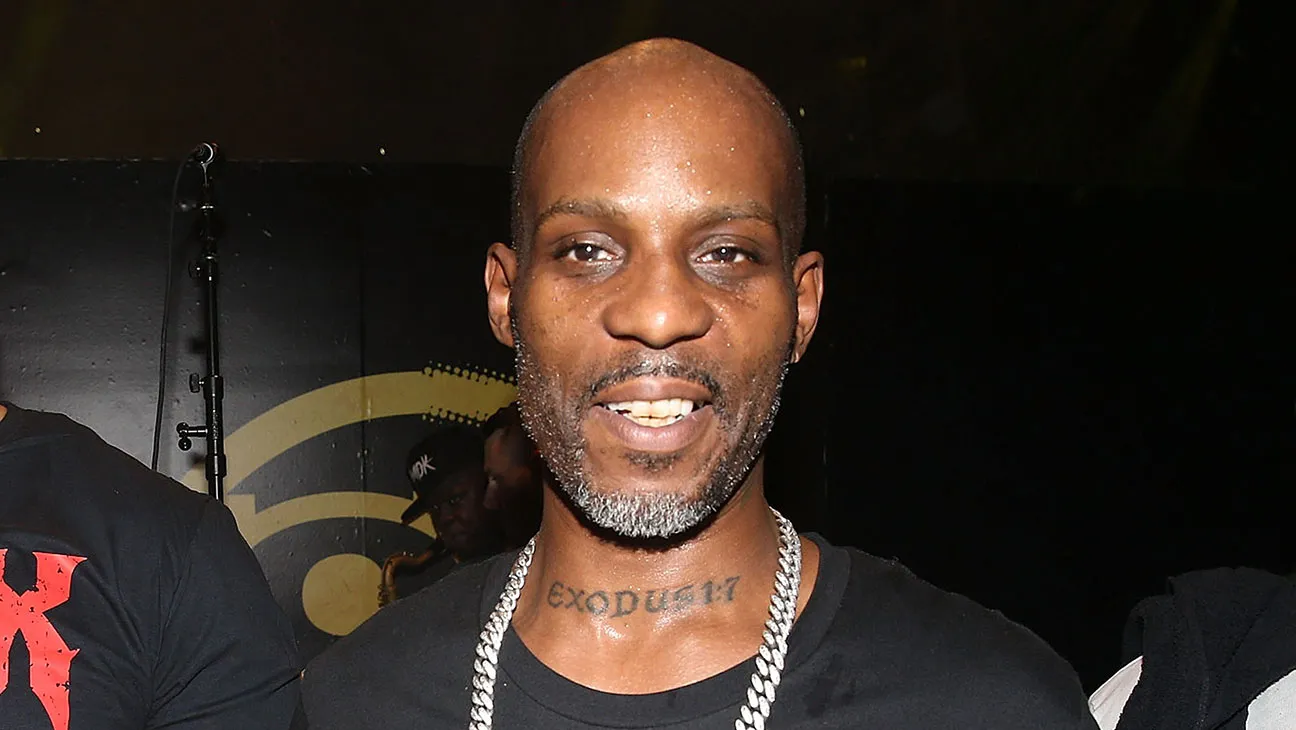
Nearly five years after his death, Earl “DMX” Simmons will receive a recognition that speaks to the duality that defined his life: the late rapper will be posthumously ordained as a minister this Saturday in a ceremony that acknowledges the spiritual ministry he conducted not from behind a pulpit, but through a microphone.
The ordination service, set for 3 p.m. on January 10, 2026, will take place at Foster Memorial A.M.E. Zion Church in Yonkers, a 164-year-old sanctuary whose walls have witnessed their own struggles between bondage and freedom. Founded in 1860, the church served as a station on the Underground Railroad, offering refuge to those fleeing enslavement—a historical resonance that adds profound symbolism to Saturday’s event.
The Gospel Cultural Center is organizing the ceremony to formally recognize what many of DMX’s fans already knew: that his music functioned as a ministry, delivered with the raw urgency of someone wrestling publicly with demons, faith, and redemption.
“Earl Simmons wrestled with God in the public square, turning his pain into a ministry of raw truth,” explained Bishop Dr. Osiris Imhotep, founder of the Gospel Cultural Center. “This ordination recognizes the divine calling he fulfilled every time he spoke a prayer into a microphone.”
It’s an unconventional ordination for an unconventional minister. DMX, who died in April 2021 at age 50 following a heart attack, never attended seminary or led a traditional congregation. Yet his body of work reads like a spiritual autobiography—brutal in its honesty about addiction, violence, and suffering, but equally unflinching in its appeals to God for deliverance.
Where other rappers built empires on bravado, DMX built his on vulnerability. His multi-platinum albums featured interlude prayers that broke the fourth wall of hip-hop convention. He would pause mid-album to speak directly to God, his voice stripped of performance, asking for strength, forgiveness, or simply understanding. Concert footage shows him leading thousands in prayer before launching into songs about the streets that raised him.
This spiritual transparency made him an anomaly in an industry not known for public displays of faith—or at least not the conflicted, questioning kind that DMX practiced. His prayers weren’t victory laps; they were cries for help delivered with the same intensity as his most aggressive bars.
Saturday’s service will incorporate scripture from Acts 17:31 and is expected to draw an eclectic crowd: hip-hop luminaries who rode with DMX through the peak of his career, clergy members who recognize ministry in unexpected forms, and community members who see in his story a reflection of their own struggles with faith and failure.
Foster Memorial A.M.E. Zion Church, designated a historic landmark for its Underground Railroad connection, provides a fitting backdrop. The congregation has long understood that liberation—whether from physical chains or spiritual bondage—rarely follows a conventional path.
For DMX, that path led through addiction treatment centers, jail cells, recording studios, and eventually to a hospital bed where his family made the difficult decision to remove life support. Along the way, he sold millions of records, topped charts, starred in films, and inspired countless listeners who heard in his music permission to be both broken and faithful.
The ordination won’t erase the complications of his life or the struggles that ultimately contributed to his death. But it does offer formal acknowledgment of something his listeners recognized long ago: that ministry can happen anywhere truth is spoken, even—perhaps especially—when that truth is uncomfortable.
As Bishop Imhotep noted, DMX never stopped preaching, even when the sermon came wrapped in aggressive beats and explicit language. His congregation simply gathered in different pews: concert venues, car stereos, and headphones worn by people who needed to hear that someone else understood what it meant to fall repeatedly while still reaching toward something higher.
Saturday’s ceremony represents a church meeting in that ministry where it actually happens—in the messy, complicated, profoundly human spaces where faith and failure coexist.
WHAT YOU SHOULD KNOW
DMX will be posthumously ordained as a minister this Saturday at a historic church that once sheltered enslaved people seeking freedom—a fitting setting for recognizing a man who turned his public struggles with faith, addiction, and pain into a form of ministry.
The Gospel Cultural Center is formally acknowledging what his fans always knew—that ministry doesn’t require a pulpit when you’re speaking raw truth into a microphone. DMX preached through his music, opening concerts with prayers and filling albums with spiritual confession, reaching millions who needed to hear that you can be both broken and faithful.
This ordination, nearly five years after his death at age 50, validates an unconventional path to ministry and recognizes that liberation—spiritual or otherwise—rarely follows traditional routes.