Biography and Early Life
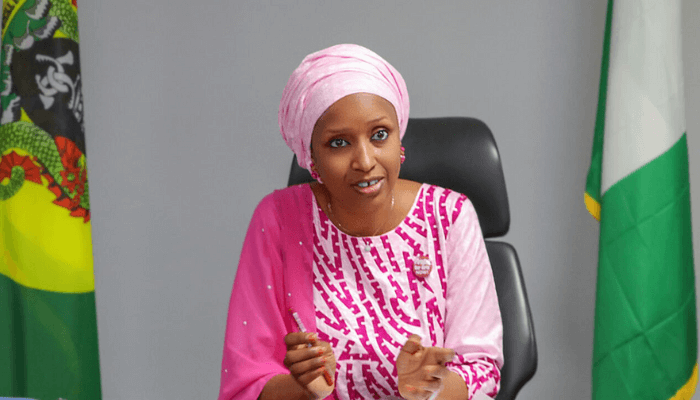
Hadiza Bala Usman was born on October 2, 1976, in Zaria, Kaduna State, Nigeria. She comes from a prominent Northern Nigerian family with strong intellectual and political roots. Her father, Dr. Yusufu Bala Usman, was a renowned Nigerian historian, radical intellectual, and political activist known for his progressive views and scholarly work on Nigerian history and political economy.
Growing up in an intellectually stimulating environment in Zaria—home to Ahmadu Bello University, one of Nigeria’s premier institutions—Hadiza was exposed to rigorous academic discourse, progressive politics, and critical thinking from childhood. Her father’s influence as a historian and activist shaped her understanding of Nigerian society, governance challenges, and the importance of public service.
This background in a family committed to scholarship and progressive causes provided Hadiza with both an intellectual foundation and a sense of public responsibility that would define her career trajectory.
Educational Background
Hadiza Bala Usman’s educational credentials reflect serious academic preparation for public service and development work:
Ahmadu Bello University (ABU), Zaria: Earned her Bachelor of Science degree in Business Administration, studying at the same institution where her father was a prominent academic.
University of London, School of Oriental and African Studies (SOAS): Obtained a Master’s degree in Development Studies, specializing in development economics and policy. SOAS is renowned for its focus on Asia, Africa, and the Middle East, providing it with comparative development perspectives.
Harvard Kennedy School: Completed executive education programs in public leadership and governance at Harvard University’s prestigious school of government.
Continuous Professional Development: Engaged in various executive education and professional development programs throughout her career.
This educational background, which combines business administration, development studies, and executive governance training, positioned her for leadership roles in both the public sector and development institutions.
Early Career and Civil Society Work
Before her high-profile government appointments, Usman built experience in civil society and development work:
Civil Society Activism
BudgIT: Worked with BudgIT, a Nigerian civic organization focused on budget transparency and public accountability. This role involved:
- Advocating for transparent government budgeting
- Making budget information accessible to citizens
- Using technology and data visualization for civic engagement
- Promoting public participation in budget processes
Governance Advocacy: Engaged in various governance advocacy initiatives focused on transparency, accountability, and public sector reform.
Civil Society Networks: Built networks within Nigerian civil society organizations working on governance and development issues.
Development Sector Experience
International Development Organizations: Worked with various international development organizations on programs in Nigeria.
Policy Research: Engaged in policy research and analysis on governance, development, and public sector issues.
Consulting: Provided consulting services on governance and development projects.
This civil society and development background provided Usman with a practical understanding of Nigeria’s governance challenges and citizen perspectives—experience she would later bring to government service.
Chief of Staff to Kaduna State Governor (2015-2016)
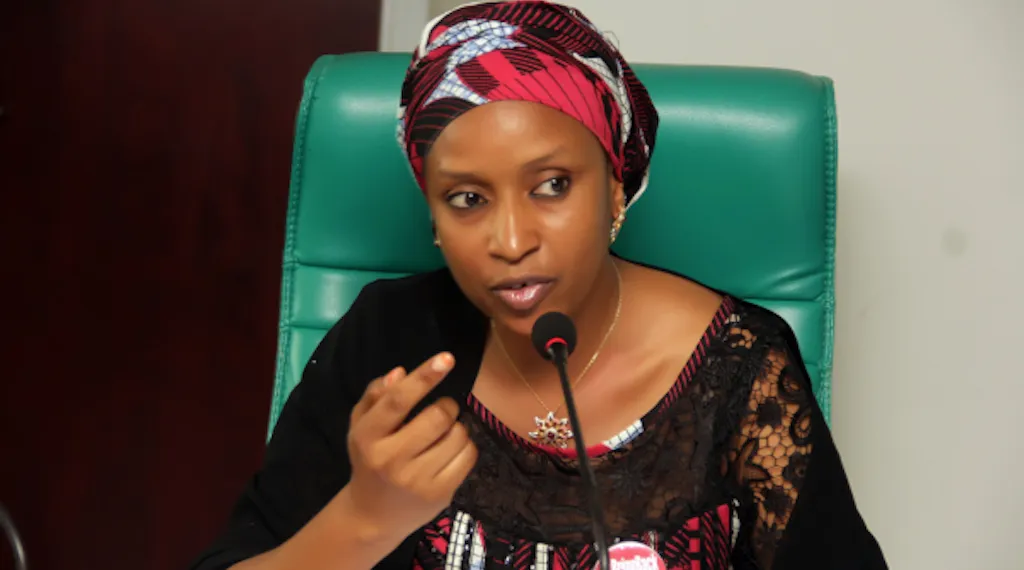
Usman’s entry into high-level government came when Governor Nasir El-Rufai appointed her as his Chief of Staff in 2015, making her one of Nigeria’s youngest and few female Chiefs of Staff.
Role and Responsibilities
Strategic Coordination: As Chief of Staff, she coordinated government activities, managed relationships between various agencies, and ensured implementation of the governor’s agenda.
Reform Implementation: Played a key role in implementing El-Rufai’s controversial but ambitious reform agenda in Kaduna State, including:
- Civil service restructuring and downsizing
- Education sector reforms
- Urban renewal and infrastructure projects
- Budget reforms and fiscal management
Policy Development: Involved in policy formulation and strategic planning for the state government.
Political Management: Managed political relationships and stakeholder engagement for the governor.
Challenges and Controversies
Unpopular Decisions: As part of the administration implementing difficult reforms, including mass layoffs, she faced criticism and opposition from affected groups.
Labor Relations: The administration’s confrontational approach to labor unions and civil service reform created tensions.
Political Complexity: Navigating Kaduna State’s religious and ethnic diversity while implementing centralizing reforms proved challenging.
Association with El-Rufai: Her close association with the controversial governor brought both recognition and criticism.
Despite controversies, her tenure demonstrated administrative capability and willingness to implement difficult reforms—qualities that would inform her next appointment.
Managing Director, Nigerian Ports Authority (2016-2021)
Usman’s most prominent role came when President Muhammadu Buhari appointed her Managing Director of the Nigerian Ports Authority (NPA) in July 2016, making her the first woman to lead the organization since its establishment.
Appointment Significance
Gender Milestone: First female MD of NPA, breaking gender barriers in the Nigerian maritime sector.
Youth Leadership: At 39, she was relatively young for such a strategic appointment.
Technocratic Choice: Her appointment represented the Buhari administration’s stated commitment to merit-based appointments of technocrats.
Reforms and Achievements at NPA
Revenue Improvement: Under her leadership, NPA’s revenue generation increased significantly:
- Improved revenue collection systems
- Reduced revenue leakages
- Better monitoring and enforcement
- NPA’s remittances to the federal government reportedly increased substantially
Operational Efficiency: Implemented reforms to improve port operations:
- Reduced ship waiting time (time ships spend waiting to berth)
- Improved cargo handling efficiency
- Better coordination among port stakeholders
- Modernized some operational processes
Transparency Initiatives: Brought transparency focus from a civil society background:
- Improved financial reporting
- Better public communication about NPA operations
- Stakeholder engagement processes
- Attempt to address corruption in port operations
Infrastructure Development: Initiated infrastructure improvement projects at various ports across Nigeria.
Dredging Projects: Oversaw dredging operations to maintain channel depths at major ports.
Technology Integration: Promoted the use of technology in port operations and administration.
Stakeholder Management: Worked to balance the interests of various port stakeholders—shipping companies, terminal operators, government agencies, and others.
Challenges During NPA Tenure
Entrenched Interests: The port sector involves powerful economic interests resistant to reforms threatening their advantages.
Infrastructure Deficits: Despite improvements, Nigerian ports continued facing serious infrastructure challenges, including poor road access and inadequate equipment.
Apapa Gridlock: The notorious Apapa traffic gridlock (trucks blocking access to Lagos ports) persisted despite efforts, though not entirely within NPA’s control.
Corruption Persistence: While revenue improved, corruption in port operations remained a significant challenge.
Political Pressures: Faced political pressures from various interests affected by reforms or seeking contracts.
Labor Relations: Navigated tensions with maritime sector workers and unions.
Suspension and Controversy (2021)
In May 2021, President Buhari suspended Usman from her NPA position, reportedly to allow an investigation into allegations of financial impropriety:
Allegations: Accusations of financial irregularities in NPA operations, including questions about remittances to the federal government.
Suspension: Placed on indefinite suspension pending investigation outcomes.
Defense: Usman and supporters argued the allegations were fabricated by interests threatened by her reforms and transparency efforts.
Political Dimensions: Many observers viewed the suspension as politically motivated, possibly related to powerful interests she had confronted or internal government politics.
Investigation Outcomes: The investigations’ detailed findings were not made fully public, leaving ambiguity about the allegations’ substance.
No Return: She did not return to NPA, effectively ending her tenure despite no conclusive public findings of wrongdoing.
The suspension generated significant debate about whether it represented accountability or sabotage of a reforming technocrat by entrenched interests.
CEO, Africa Finance Corporation (2023-Present)
After her NPA tenure ended, Usman joined the private sector, specifically development finance:
Africa Finance Corporation Appointment
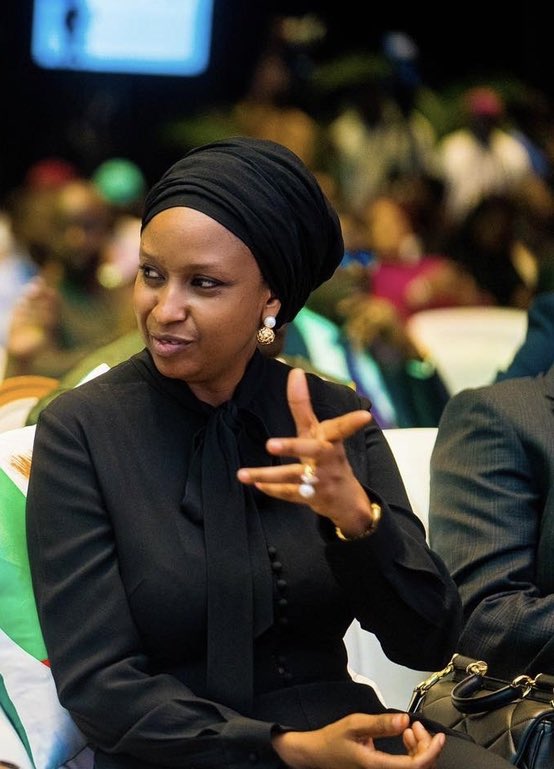
Position: Appointed Chief Executive Officer of the Africa Finance Corporation (AFC) in 2023, again making history as the first female CEO of the pan-African multilateral development finance institution.
AFC Role: AFC is a leading infrastructure solutions provider in Africa, investing in high-quality infrastructure assets that provide essential services across the continent in sectors including:
- Power and energy
- Transport and logistics
- Telecommunications
- Heavy industries
- Natural resources
Leadership: Under her leadership, AFC continues its mission of financing African infrastructure development and promoting economic growth.
Development Focus: The role aligns with her career-long focus on development, infrastructure, and economic transformation.
Pan-African Perspective: Position requires a continental view and engagement across multiple African countries.
Significance of the AFC Role
Return to Development Finance: Returns to development-focused work after government service experience.
Gender Leadership: Continues breaking barriers as a woman leading a major African financial institution.
Private Sector Experience: Provides a private sector perspective after public sector roles.
Infrastructure Focus: Continues work on infrastructure development, central to African economic transformation.
International Profile: The AFC role gives her continental and international platform.
Public Philosophy and Approach
Usman’s career reflects consistent themes and approaches:
Technocratic Governance: Believes in competence-based, merit-driven public service rather than patronage politics.
Transparency and Accountability: Consistent emphasis on transparency, accountability, and public disclosure—reflecting civil society background.
Reform Orientation: Willing to implement difficult reforms even when politically unpopular or facing opposition from vested interests.
Gender Equality: Through her own career and advocacy, she promotes women’s participation in leadership across sectors.
Development Focus: Career consistently focused on development, infrastructure, and economic transformation.
Data-Driven Approach: Emphasizes data, metrics, and performance measurement in management.
Stakeholder Engagement: Values stakeholder engagement while maintaining reform direction.
Personal Life
Hadiza Bala Usman maintains relative privacy about her personal life despite public prominence. She is married and has children, balancing family responsibilities with demanding professional roles.
Known for her professional demeanor, intellectual approach, and serious commitment to work, Usman represents a generation of Nigerian women combining career ambition with public service. Her communication style is direct, data-focused, and professional.
She occasionally references her father’s influence and legacy, acknowledging how his intellectual rigor and commitment to progressive causes shaped her own values and career choices.
Recognition and Awards
Leadership Awards: Received numerous awards recognizing her leadership in public service and breaking gender barriers.
Good Governance Recognition: Honored by governance organizations for transparency and reform efforts.
Professional Recognition: Recognized by the maritime and development sectors for contributions.
International Recognition: Featured in international media and forums as an example of African women in leadership.
Young Leader Recognition: Named to various lists of young African leaders and change-makers.
Legacy and Impact
Usman’s career impact encompasses multiple dimensions:
Gender Barrier Breaking
First Woman NPA MD: Opened doors for women in the maritime sector and traditionally male-dominated infrastructure fields.
Role Model: Provides a role model for young Nigerian women aspiring to leadership in technical and governance fields.
Gender Discourse: Her appointments and success contributed to conversations about women’s capabilities in leadership.
Reform Advocacy
Transparency Champion: Brought transparency focus to government agencies, demonstrating civil society approaches can translate to the public sector.
Revenue Generation: Her work at NPA demonstrated how improved management could significantly increase public revenue without new taxes.
Institutional Reform: Showed that institutional reform in Nigeria is possible despite resistance from vested interests.
Technocratic Governance
Merit Appointments: Her career exemplifies the value of merit-based appointments of competent professionals.
Professional Standards: Brought professional standards and management practices to public sector roles.
Alternative Path: Demonstrated alternative career path to traditional politics—civil society to government to development finance.
Challenges and Limitations
Suspension Questions: The circumstances of her NPA suspension raise unresolved questions about whether she faced legitimate accountability or political sabotage.
Reform Sustainability: Questions remain about whether reforms she initiated will survive her departure—a common challenge for technocratic reformers.
Political Skills: Her experience suggests that technical competence alone may be insufficient without political skills to navigate Nigeria’s complex environment.
Assessments and Perspectives
Admirers View Her As:
- Competent technocrat who delivered results in difficult roles
- Courageous reformer willing to confront powerful interests
- Pioneer breaking gender barriers in male-dominated sectors
- Example of what merit-based appointments can achieve
- Victim of political machinations by interests threatened by her reforms
Critics Argue:
- Some question whether revenue improvements at NPA were truly attributable to her management or broader factors
- The suspension and allegations, even if not proven, suggest possible issues in her management.
- The reform approach may have been too confrontational without adequate political management.
- Association with controversial figures like El-Rufai complicates her legacy.
Balanced Assessment: Hadiza Bala Usman represents a generation of Nigerian technocrats seeking to bring professional management, transparency, and reform to public institutions. Her accomplishments—particularly revenue improvements at NPA and breaking gender barriers—are significant. However, her controversial suspension highlights the challenges technocrats face in Nigeria’s political environment, where reforms often threaten powerful interests. Her transition to the AFC suggests the private sector’s recognition of her capabilities, even as questions linger about her public sector exit. Whether she represents the promise of technocratic governance or its limitations in Nigeria’s political context remains subject to interpretation.
Continuing Influence
As AFC CEO, Usman continues influencing African development:
Infrastructure Financing: Leading institution financing critical African infrastructure, directly impacting development outcomes.
Gender Advocacy: Her position continues to demonstrate women’s leadership capabilities in finance and infrastructure.
Development Discourse: Participates in continental discussions on development finance, infrastructure, and economic transformation.
Nigeria Connections: While at a pan-African institution, maintains connections to Nigerian development issues.
Future Potential: Her trajectory suggests she may remain an influential figure in African development and possibly return to public service in the future.
Hadiza Bala Usman’s journey from civil society activist to government chief of staff to NPA managing director to AFC CEO represents one of contemporary Nigeria’s most interesting professional trajectories. Daughter of a renowned intellectual, she combined strong education with practical experience in development and governance to break multiple gender barriers while implementing significant reforms. Her tenure at NPA—marked by revenue improvements but ending in controversial suspension—captures both the possibilities and perils of technocratic reform in Nigeria. The suspension remains her career’s most controversial chapter, with supporters viewing it as sabotage by threatened interests and skeptics suggesting possible management issues. Her appointment as AFC CEO demonstrates continued recognition of her capabilities and provides a platform for continued development impact. Whether ultimately remembered primarily as a successful reformer, gender barrier breaker, or cautionary tale about technocracy’s limits in Nigeria’s political environment may depend on her continued career trajectory and eventual public accounting of her NPA exit. What seems clear is that she represents a model of merit-based, professional public service that Nigeria needs, even as her experience highlights the formidable challenges such professionals face in environments where powerful interests resist transparency and accountability. Her story continues, with her current AFC role positioning her to influence African infrastructure development for years to come.