Gold prices continued their downward spiral on Tuesday, sliding to their lowest point in nearly three weeks as renewed hopes for a breakthrough in U.S.-China trade relations weakened investor appetite for the traditional safe-haven asset.
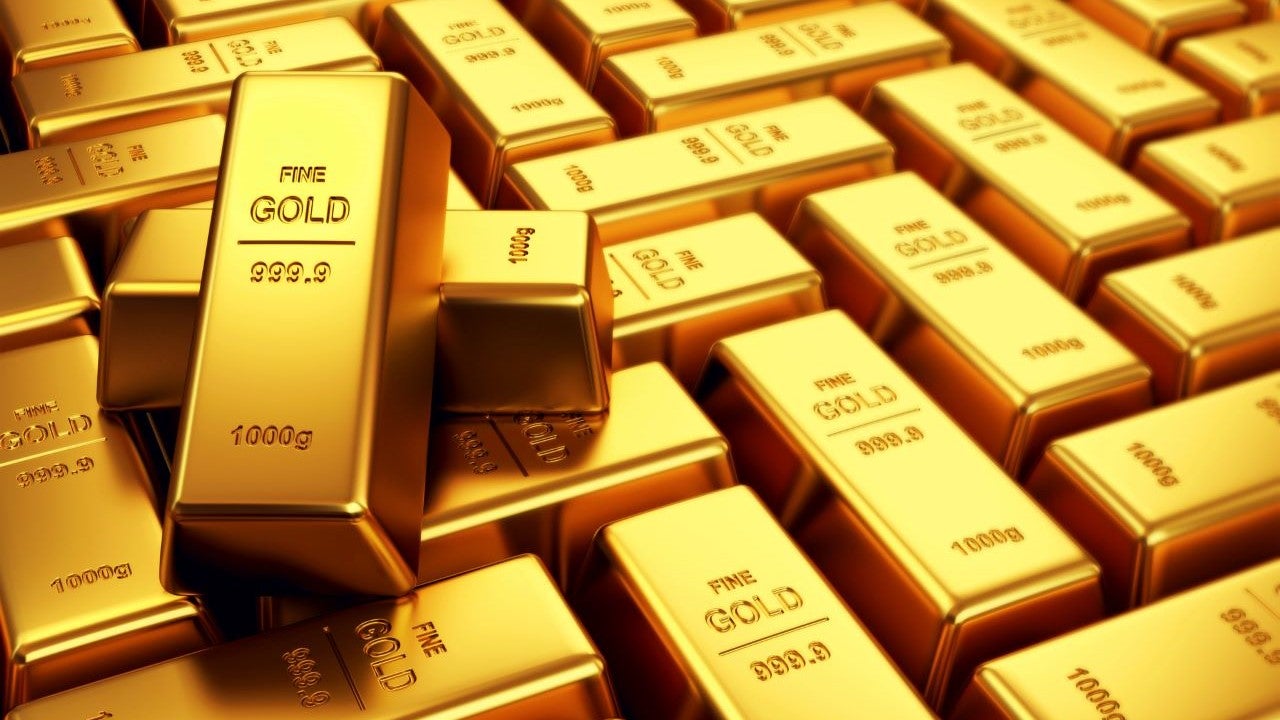
Spot gold tumbled 1% to $3,941.65 per ounce by 0652 GMT, marking its weakest performance since October 10. U.S. gold futures for December delivery fared even worse, plunging 1.5% to $3,957.50 per ounce as traders digested the shifting geopolitical landscape.
The precious metal’s retreat comes on the heels of weekend developments that saw senior economic officials from Washington and Beijing hammer out a preliminary framework for a comprehensive trade agreement. The tentative deal now awaits final approval from President Donald Trump and Chinese President Xi Jinping, who are expected to meet later this week during Trump’s five-day tour of Asia.
“A de-frosting of U.S.-China trade relations has somewhat pulled the rug out from under the gold price due to a decline in safe-haven buying flows,” explained Tim Waterer, Chief Market Analyst at KCM Trade. The analyst’s assessment underscores how quickly market sentiment can shift when geopolitical tensions show signs of easing.
Trump himself expressed confidence about reaching an accord with Beijing, making the remarks while announcing a series of trade and critical mineral agreements with Malaysia and three other Southeast Asian nations during his opening stop in the region. The optimistic tone has helped fuel a broader rally in risk assets, with Asian equity markets consolidating recent gains as global trade anxiety begins to thaw.
However, Waterer cautioned that gold’s fortunes could yet reverse depending on signals from the U.S. Federal Reserve. “If Trump and Xi have a productive meeting on trade this week, this could leave gold swimming against the current to some degree,” he noted. “But this could be offset if the Fed delivers a dovish tone with the expected rate cut this week.”
All eyes are now turning to Wednesday’s conclusion of the Federal Reserve’s policy meeting, where markets widely anticipate an interest rate reduction. Investors are particularly keen to parse any forward-looking commentary from Fed Chair Jerome Powell, which could provide crucial hints about the central bank’s future monetary policy trajectory. Lower interest rates typically benefit gold by reducing the opportunity cost of holding non-yielding bullion.
The Fed’s decision comes amid a busy week for global central banking, with both the European Central Bank and the Bank of Japan expected to maintain their current rates when they convene later in the week.
Despite Tuesday’s losses, gold remains one of the year’s standout performers, having surged approximately 53% in 2025. The rally peaked on October 20 when the metal touched an all-time high of $4,381.21 per ounce, driven by a potent combination of geopolitical uncertainty, economic turbulence, expectations of monetary easing, and robust purchasing by central banks worldwide.
The broader precious metals complex followed gold’s downward trajectory. Spot silver declined 0.8% to $46.51 per ounce, while platinum suffered a steeper 2.6% drop to $1,549.85. Palladium rounded out the losses, falling 1.2% to $1,385.50.
Market participants now face a critical juncture: will the potential easing of trade tensions prove more influential than accommodative monetary policy in determining gold’s near-term direction? The answer may well depend on whether this week’s diplomatic and monetary policy developments meet, exceed, or fall short of current market expectations.
As global investors navigate these crosscurrents, the coming days promise to be pivotal for both precious metals traders and the broader financial markets.
WHAT YOU SHOULD KNOW
Gold prices fell to a three-week low of $3,941.65 per ounce as improving U.S.-China trade relations reduced safe-haven demand. The critical factor to watch: this week’s twin developments—a potential Trump-Xi trade deal and the Federal Reserve’s expected rate cut—will determine gold’s direction.
If trade tensions ease significantly, gold faces headwinds; however, a dovish Fed could provide support. Despite current losses, gold remains up 53% year-to-date, highlighting its strong underlying momentum driven by geopolitical uncertainty and central bank buying.