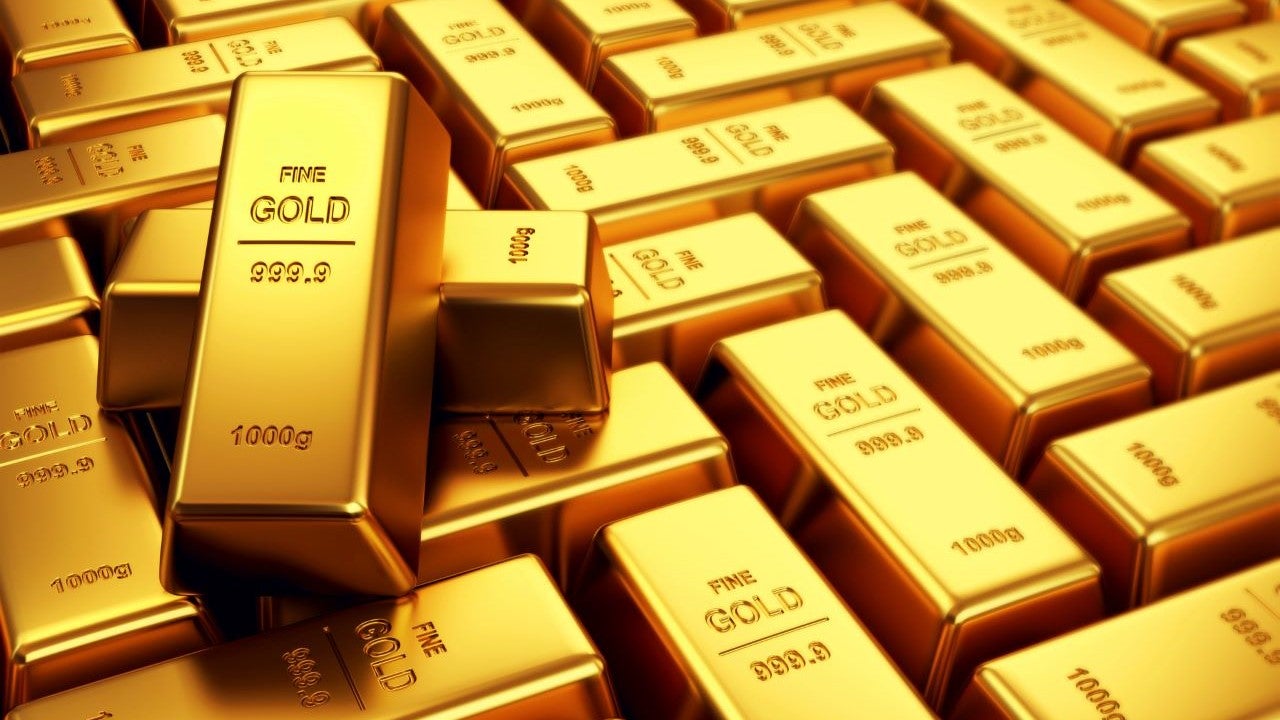
Gold prices rocketed to unprecedented heights on Monday, breaching the $4,000-per-ounce threshold as investors fled to safety amid escalating trade hostilities between Washington and Beijing and growing expectations that the Federal Reserve will continue cutting interest rates.
Spot gold climbed 1.5% to $4,067.79 per ounce by 0700 GMT, after touching an all-time peak of $4,078.05 earlier in the trading session. U.S. gold futures for December delivery posted even stronger gains, surging 2.3% to $4,093.50.
The rally comes as trade tensions between the world’s two largest economies threaten to spiral into a full-blown economic confrontation. President Donald Trump escalated matters significantly on Friday, threatening to slap punitive 100% tariffs on Chinese imports and announcing sweeping new export controls on critical software, effective November 1.
The aggressive moves represent Washington’s retaliation against Beijing’s restrictions on rare-earth elements and related equipment—materials crucial to everything from smartphones to military hardware.
China responded on Sunday with a measured but firm defense of its rare-earth measures, characterizing them as justified while notably refraining from announcing immediate counter-tariffs. The restraint, however, has done little to calm jittery markets, which remain on edge over the prospect of a protracted trade conflict that could undermine global economic growth.
“It’s interesting because developments in the Middle East recently had been a diminished tailwind for the gold market, but now we’ve got this reemergence of risks due to inflamed trade tensions between the U.S. and China,” noted Kyle Rodda, an analyst at Capital.com. The shift underscores how quickly market attention can pivot when major economic powers engage in brinkmanship.
Silver mirrored gold’s stellar performance, jumping 2.6% to $51.60 per ounce after briefly touching a record high of $51.70. The white metal’s surge reflects not only the same safe-haven dynamics driving gold but also reported tightness in the spot market—a sign that physical supply may be struggling to keep pace with demand.
Investment bank Goldman Sachs weighed in on Sunday with a bullish medium-term outlook for silver, citing expected private investment flows. However, the firm cautioned that silver faces “heightened near-term volatility and downside risks” compared to its more stable yellow counterpart, reflecting the metal’s smaller market size and dual role as both an industrial commodity and store of value.
The Fed Factor
Adding fuel to the precious metals fire are mounting expectations that the Federal Reserve will continue its accommodative monetary stance. Financial markets are now pricing in a near certainty of a 25-basis-point interest rate cut at the Fed’s October meeting, followed by another quarter-point reduction in December.
Lower interest rates typically boost non-yielding assets like gold, which become more attractive relative to interest-bearing alternatives when borrowing costs fall. Fed Chair Jerome Powell is scheduled to address the National Association for Business Economics annual meeting on Tuesday, an appearance that could provide fresh clues about the central bank’s rate trajectory. Additional Fed officials are slated to speak throughout the week, keeping monetary policy firmly in the spotlight.
A Banner Year for Gold
The precious metals rally caps a remarkable year for gold, which has surged 53% year-to-date—an extraordinary performance driven by a perfect storm of supportive factors. Geopolitical tensions, aggressive central bank purchases, robust inflows into gold-backed exchange-traded funds, anticipation of Fed rate cuts, and economic uncertainty stemming from tariff policies have all combined to propel prices to historic levels.
The latest government shutdown, which began on October 1, has added another layer of uncertainty. President Trump blamed Democrats for his decision to lay off thousands of federal workers during the impasse, which has disrupted the release of key economic data that markets rely on for gauging the health of the U.S. economy.
Geopolitical Developments
On the international front, there was a ray of hope in the long-running Middle East conflict. Hamas handed over the first group of surviving Israeli hostages on Monday, marking a significant milestone in what negotiators hope will end two years of devastating warfare in Gaza. The prisoner exchange is part of a broader ceasefire agreement championed by President Trump’s administration.
Platinum Group Metals Rally
The precious metals rally extended beyond gold and silver. Platinum jumped 3.3% to $1,639.10 per ounce, while palladium—used primarily in automotive catalytic converters—gained 3.1% to $1,449.36. The across-the-board strength in precious metals underscores the breadth of investor concerns about global economic stability and the corresponding demand for tangible assets.
As markets await further developments in the U.S.-China trade standoff and additional signals from the Federal Reserve, analysts expect volatility in precious metals markets to remain elevated. For now, gold’s historic rally shows little sign of abating as long as geopolitical and economic uncertainties persist.
WHAT YOU SHOULD KNOW
Gold prices shattered records Monday, surging past $4,000 per ounce as escalating U.S.-China trade tensions collided with expectations of continued Federal Reserve interest rate cuts. President Trump’s threat of 100% tariffs on Chinese goods has reignited safe-haven demand for precious metals, while markets anticipate further Fed rate reductions in October and December.