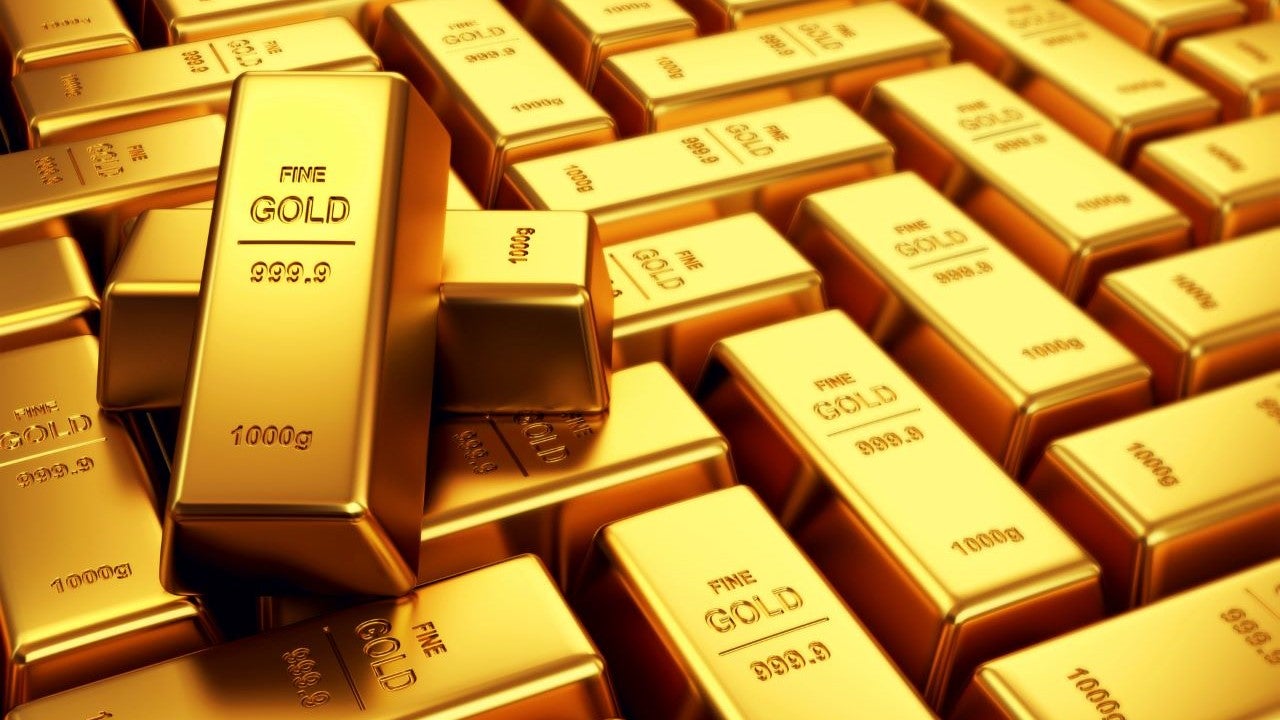
Precious metals markets witnessed a dramatic surge on Monday, with gold climbing to its highest level in more than four months and silver achieving a milestone breakthrough above $40 per ounce, driven by mounting expectations of Federal Reserve interest rate cuts and a weakening U.S. dollar.
Spot gold advanced 0.9% to $3,477.89 per ounce by 0847 GMT, marking its strongest performance since April 22 and extending Friday’s robust gains. December gold futures tracked the spot market higher, rising 0.9% to $3,548.0. The rally reflects growing investor confidence that the Federal Reserve will pivot toward monetary easing in the coming months.
Silver’s performance proved even more spectacular, jumping 2.7% to $40.72 per ounce—a level not seen since September 2011. The white metal’s surge underscores its dual appeal as both a precious metal and an industrial commodity, with traders betting on increased demand from both investment flows and economic recovery.
The dollar’s retreat to near-lows last seen on July 28 against major trading partners provided crucial tailwinds for precious metals, making dollar-denominated commodities more attractive to international buyers. Currency weakness has historically served as a powerful catalyst for gold and silver prices, particularly during periods of monetary policy uncertainty.
Market Dynamics Point to Sustained Momentum
Ole Hansen, Saxo Bank’s head of commodity strategy, characterized the moves as an extension of Friday’s strong performance, citing a confluence of factors supporting precious metals. “Gold, and especially silver, extended Friday’s strong gains, supported by sticky U.S. inflation, weakening consumer sentiment, (expected) rate cuts… and concerns over Fed independence,” Hansen explained.
The inflation backdrop remains supportive for precious metals, with Friday’s personal consumption expenditures price index showing a 0.2% monthly increase and a 2.6% year-over-year rise—figures that met economist expectations but highlighted persistent price pressures that could complicate the Fed’s policy decisions.
Tim Waterer, chief market analyst at KCM Trade, emphasized silver’s unique supply-demand dynamics. “Silver is making a move higher in response to expectations of lower rates, while a tight supply market is helping to maintain an upward bias,” Waterer noted. The combination of monetary policy expectations and fundamental market conditions suggests the rally could have staying power.
Fed Officials Signal Policy Shift
Federal Reserve communications have increasingly supported market expectations for rate cuts. San Francisco Fed President Mary Daly reinforced this sentiment in a social media post last week, reiterating her support for monetary easing while citing labor market risks as justification for policy accommodation.
The market’s focus now turns to Friday’s critical employment report, which could provide the Federal Reserve with the economic justification needed to implement rate cuts beginning in September. UBS analyst Giovanni Staunovo highlighted this dynamic, noting that “the market is watching for Friday’s U.S. job market report, anticipating that this would allow the Fed to resume rate cuts from September onwards (given) this supports investment demand.”
August non-farm payrolls are projected to show modest growth of 78,000 jobs, according to a Reuters poll—slightly above July’s 73,000 figure but still reflecting a cooling labor market that could prompt Fed action.
Investment Implications and Broader Context
The precious metals rally occurs against a backdrop of heightened economic uncertainty and shifting monetary policy expectations. Gold’s appeal as a non-yielding asset typically strengthens in low-interest-rate environments, where opportunity costs of holding the metal diminish relative to interest-bearing alternatives.
Meanwhile, ongoing trade policy developments continue to influence market sentiment. U.S. Trade Representative Jamieson Greer’s Sunday comments about continuing trade discussions despite court challenges to existing tariffs highlight the persistent uncertainty surrounding international commerce—a factor that traditionally supports safe-haven demand for precious metals.
Broader Precious Metals Complex Shows Strength
The rally extended across the precious metals complex, with platinum gaining 2.2% to $1,393.95 and palladium adding 0.4% to $1,113.06. These moves suggest broad-based optimism about both monetary policy shifts and potential industrial demand recovery.
As markets prepare for a week of crucial economic data releases, the precious metals sector appears positioned to benefit from the convergence of dovish monetary policy expectations, currency weakness, and ongoing economic uncertainties that historically drive investors toward traditional safe-haven assets.
The question now facing traders and investors is whether this momentum can be sustained through what promises to be a pivotal period for Federal Reserve policy and broader market direction.
WHAT YOU SHOULD KNOW
Gold hit a four-month peak, and silver broke above $40 for the first time since 2011, primarily driven by growing expectations that the Federal Reserve will cut interest rates starting in September.
The weakening dollar and sticky inflation data are amplifying this rally, with Friday’s jobs report serving as the critical catalyst that could confirm the Fed’s policy pivot. For investors, this signals that precious metals are regaining their traditional safe-haven appeal as monetary policy shifts toward accommodation.