Gold prices declined on Thursday as the U.S. dollar strengthened and market participants positioned themselves ahead of Friday’s crucial employment report, which could provide fresh insight into the Federal Reserve’s monetary policy trajectory for 2026.
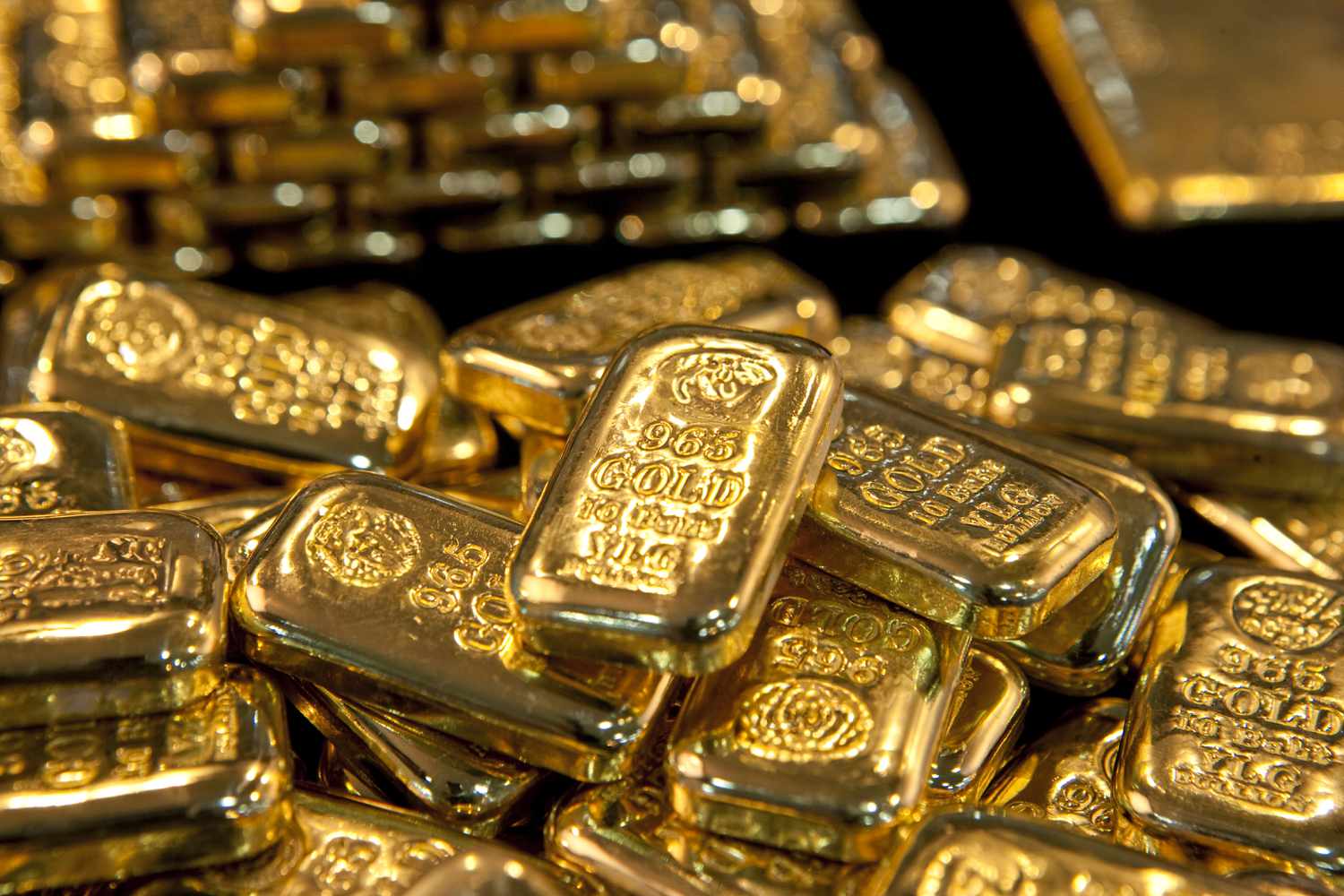
Spot gold slipped 0.4% to $4,435.62 per ounce by 0539 GMT, while U.S. gold futures for February delivery fell by a similar margin to $4,444.40. The precious metal remains roughly $110 below its record high of $4,549.71, reached on December 29, as investors navigate a complex landscape of geopolitical uncertainty and shifting economic indicators.
Bernard Sin, regional director for Greater China at MKS PAMP, described the current market dynamics as a balancing act between conflicting pressures. “Traders are weighing heightened geopolitical tensions, including U.S. intervention in Venezuela, against macroeconomic signals from the United States,” Sin explained, highlighting the delicate equilibrium that has kept bullion prices elevated but capped further gains.
The dollar maintained its strength near a more than two-week high, exerting downward pressure on gold, which becomes more expensive for holders of other currencies when the greenback strengthens. This dollar resilience comes as investors carefully position themselves around a series of U.S. labor market data releases scheduled throughout the week.
Wednesday’s economic data painted a picture of cooling labor demand, with U.S. job openings dropping to a 14-month low in November. The figures also showed hiring maintaining its sluggish pace, reinforcing expectations that the Federal Reserve may have room to implement additional interest rate cuts this year.
Softer employment data typically supports gold prices, as rate cuts reduce the opportunity cost of holding non-interest-bearing assets like bullion. However, Sin cautioned that “sentiment remains balanced, with investors mindful of volatility and the potential for profit-taking at higher prices,” particularly after gold’s remarkable run to near-record levels.
All eyes now turn to Friday’s non-farm payrolls report, which will provide the most comprehensive assessment of the U.S. labor market’s health and likely influence the Fed’s policy decisions in the coming months.
Adding to the downward pressure, Kelvin Wong, senior market analyst at OANDA, pointed to technical factors that could weigh on precious metals in the near term. “The weightage rebalancing on the Bloomberg Commodity Index this week could impact flows due to lower silver and gold target weightages, which allow short-term speculators to book profits, pressuring prices,” Wong noted.
The annual Bloomberg Commodity Index rebalancing, conducted to ensure the benchmark reflects current global commodity market conditions, runs from January 9-15 this year. This technical adjustment often triggers position adjustments among institutional investors.
The weakness extended across the precious metals complex, with silver experiencing particularly sharp losses. Spot silver tumbled 2.6% to $76.08 per ounce, retreating from the all-time high of $83.62 it reached on December 29.
Despite the pullback, HSBC maintains a constructive outlook for silver in 2026, projecting a trading range between $58 and $88. The bank cites tight physical supply, robust investment demand, and high gold prices as supportive factors, though it cautions that a market correction could materialize later in the year.
Platinum prices fell more sharply, down 3.3% to $2,230.90 per ounce after reaching a record peak of $2,478.50 last Monday. Palladium also declined, shedding 2.8% to $1,715.00 per ounce.
As markets await Friday’s employment data, the precious metals sector finds itself at a crossroads, with the interplay between geopolitical tensions, monetary policy expectations, and profit-taking likely to determine whether bullion can resume its march toward new records or faces a more substantial correction.
WHAT YOU SHOULD KNOW
Gold prices dipped Thursday as investors await Friday’s critical U.S. jobs report, which will determine the Federal Reserve’s next moves on interest rates. The key takeaway: weaker employment data could trigger Fed rate cuts that boost gold further, but the strong dollar and profit-taking after gold’s recent surge to near-record highs are keeping prices in check.
With gold just $110 below its all-time peak and geopolitical tensions in Venezuela adding uncertainty, Friday’s payroll numbers will be the deciding factor for precious metals’ next direction.