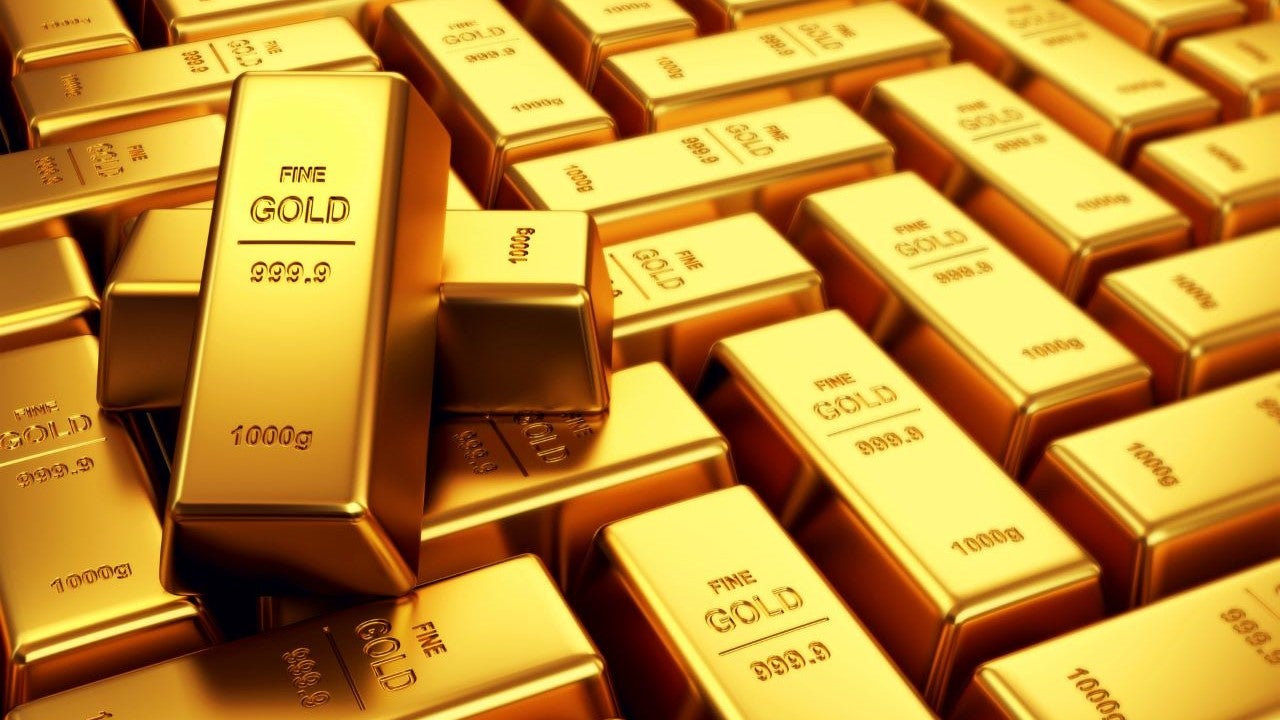
Gold prices edged higher on Thursday as investors sought refuge in the precious metal amid escalating tensions in the Middle East, where the Iran-Israel conflict has now stretched into its seventh day with no clear resolution in sight.
Spot gold gained 0.1% to $3,371.15 per ounce as of 0526 GMT, while U.S. gold futures declined 0.6% to $3,388.60. The modest uptick reflects market uncertainty as global investors monitor developments in what has become a direct military confrontation between regional powers.
Geopolitical Tensions Drive Safe-Haven Demand
The precious metal’s performance underscores its traditional role as a safe-haven asset during periods of geopolitical turmoil. The current Iran-Israel conflict, which began on June 13, 2025, has evolved into a full-scale military exchange involving aerial strikes on nuclear facilities, military installations, and civilian areas in both countries.
“Gold has made a modest bounce as we await the next steps in the Israel-Iran conflict. If the U.S. does decide to get directly involved, this could raise the geopolitical stakes,” said Tim Waterer, Chief Market Analyst at KCM Trade.
The stakes were raised significantly when President Donald Trump declined to confirm whether the United States would join Israel’s bombardment of Iranian nuclear and missile sites during a Wednesday press conference. This uncertainty has prompted Tehran residents to evacuate the capital as air strikes continue.
Adding to market anxiety, U.S. military officials have relocated aircraft and ships from Middle Eastern bases deemed vulnerable to potential Iranian retaliation, according to two U.S. officials who spoke to Reuters on Wednesday.
Federal Reserve Adds to Market Complexity
Compounding market uncertainty, the Federal Reserve’s Wednesday decision to hold interest rates steady has created a complex backdrop for precious metals trading. While policymakers maintained their forecast for a half-percentage-point rate cut this year, Fed Chair Jerome Powell cautioned against over-reliance on these projections, warning of “meaningful” inflation risks ahead as higher import tariffs loom.
The mixed signals from the central bank have left traders weighing competing forces: the safe-haven appeal of gold during geopolitical crises against the potential for higher interest rates that typically diminish the metal’s attractiveness.
Platinum Soars to Decade High on Supply Concerns
While gold’s gains remained modest, platinum emerged as Thursday’s standout performer, surging 1% to $1,336.08 per ounce. Earlier in the session, the industrial metal reached $1,348.72, marking its highest level since September 2014.
The platinum rally reflects fundamental supply-demand imbalances that have little to do with geopolitical tensions. High platinum lease rates—the cost of borrowing the metal for specified periods—have created a supply crunch that’s rippling through global markets.
“Platinum lease rates are high, so the refineries are not looking to manufacture because the cost is much higher. So demand is coming, but there’s not enough supply… Aboveground inventory is tight,” explained Brian Lan, managing director at GoldSilver Central in Singapore.
The elevated lease rates signal acute shortages in the platinum market, as refineries face prohibitive costs for raw materials while demand continues to outpace available supply.
Broader Precious Metals Performance
The precious metals complex showed mixed performance as investors navigated the dual influences of geopolitical risk and monetary policy uncertainty. Palladium gained 1.1% to $1,059.96, benefiting from similar supply-side dynamics affecting its platinum group metal cousin. Silver, meanwhile, remained steady at $36.72 per ounce, showing resilience despite its dual role as both a precious metal and an industrial commodity.
Market Outlook
As the Iran-Israel conflict enters its second week with no diplomatic resolution in sight, precious metals markets remain poised for potential volatility. The involvement of the United States—whether through direct military action or expanded sanctions—could trigger significant safe-haven flows into gold and other precious metals.
However, the Federal Reserve’s cautious stance on interest rates provides a counterbalance to geopolitical premium, leaving traders to weigh immediate crisis risks against longer-term monetary policy implications.
With both regional military escalation and global economic uncertainty in play, precious metals markets face a period of heightened volatility as investors navigate between crisis hedging and traditional investment fundamentals.
WHAT YOU SHOULD KNOW
The seven-day Iran-Israel conflict is driving gold’s safe-haven appeal, but platinum’s surge to decade highs on supply shortages represents the bigger story. While geopolitical tensions fuel modest gold gains, fundamental supply-demand imbalances in industrial metals are creating more dramatic price movements.