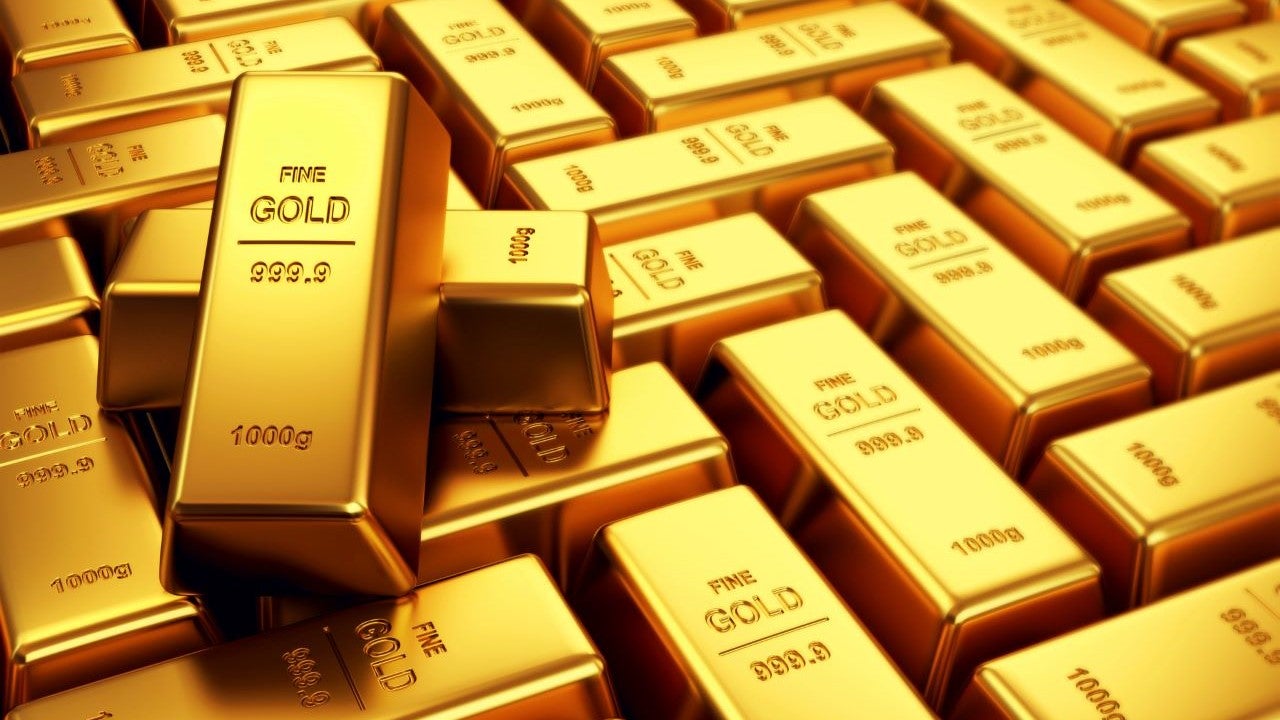
Gold prices pierced the $4,200-per-ounce threshold for the first time in history on Wednesday, extending a blistering rally that has seen the precious metal emerge as the premier safe-haven asset amid a perfect storm of economic and geopolitical headwinds.
Spot gold climbed 1.6% to $4,209.49 per ounce by mid-morning European trading, after touching an all-time peak of $4,217.95 earlier in the session. U.S. gold futures for December delivery advanced 1.5% to $4,227.60, underscoring the breadth of the rally across both physical and paper markets.
The milestone caps a remarkable year for gold, which has surged approximately 60% year-to-date—one of its strongest annual performances in decades. The explosive gains have been driven by a confluence of factors that have shaken investor confidence in traditional assets and fiat currencies.
Multiple Catalysts Fuel Historic Rally
Market analysts point to several key drivers behind gold’s unprecedented ascent. Foremost among them are mounting expectations of aggressive monetary easing by the Federal Reserve, with traders now pricing in near-certain interest rate cuts at the central bank’s next two policy meetings. Federal Reserve Chair Jerome Powell’s recent dovish commentary has reinforced these expectations, sending the U.S. dollar tumbling against a basket of major currencies on Wednesday.
“The prolongation of the U.S. government shutdown, more dovish comments from Fed officials, and the continued escalation of trade tensions between the U.S. and China are likely to support further gains in gold prices,” said Ricardo Evangelista, an analyst at ActivTrades. “Reaching the $5,000 level does not seem impossible in the medium to long term.”
The ongoing shutdown of the U.S. government has amplified concerns about fiscal instability in the world’s largest economy, while escalating trade hostilities between Washington and Beijing have rattled global markets. President Donald Trump indicated Tuesday that the administration is considering severing certain trade ties with China, following the implementation of tit-for-tat port fees by both nations.
Structural Shifts Supporting Long-Term Demand
Beyond immediate geopolitical flashpoints, structural changes in the global financial system have provided sustained support for gold prices. Central banks worldwide have been accumulating the yellow metal at a robust pace, part of a broader diversification strategy away from dollar-denominated assets. This de-dollarization trend has accelerated in recent quarters, with sovereign buyers showing little sign of slowing their purchases.
Exchange-traded funds focusing on gold have also reported strong inflows, as retail and institutional investors alike seek portfolio protection against inflation and currency debasement. The combination of central bank buying and ETF demand has created a powerful bidirectional force lifting prices higher.
Political Instability Adds to Uncertainty
Markets are simultaneously grappling with political upheaval across multiple major economies. France is navigating governmental turmoil, while Japan faces its own political challenges, adding to the general atmosphere of uncertainty that typically benefits safe-haven assets like gold.
Gold traditionally thrives during periods of political and economic instability, serving as a store of value when confidence in governments and paper currencies wanes. The metal also tends to perform well in low-interest-rate environments, as the opportunity cost of holding non-yielding assets diminishes when bonds and savings accounts offer minimal returns.
Technical Signals Flash Warning
Despite the bullish fundamentals, some technical indicators suggest caution may be warranted in the near term. Gold’s Relative Strength Index currently stands at 85, well above the 70 threshold that typically indicates an overbought condition. This could signal a potential pullback or consolidation phase, though analysts note that momentum can carry assets beyond traditional technical boundaries during powerful rallies.
“We are expecting the bull run in gold to continue,” said Soni Kumari, a commodity strategist at ANZ, reflecting the broadly optimistic sentiment among precious metals specialists.
Broader Precious Metals Complex Rallies
Gold’s surge has lifted the entire precious metals sector. Silver jumped 2.7% to $52.81 per ounce on Wednesday, building on Tuesday’s record high of $53.60. The white metal, which serves both industrial and monetary functions, has been supported by tightening supply conditions in the spot market alongside gold’s strength.
Platinum advanced 1.7% to $1,665.15, while palladium—primarily used in automotive catalytic converters—rose 1.6% to $1,550.50, as investors rotated into alternative precious metals seeking exposure to the safe-haven trade.
Outlook Remains Bullish
Looking ahead, the trajectory for gold prices appears tilted toward further gains, barring a dramatic shift in the fundamental backdrop. With the Federal Reserve seemingly committed to an easing cycle, geopolitical tensions showing no signs of abating, and structural demand from central banks remaining robust, the conditions that have propelled gold to record heights remain firmly in place.
For investors and policymakers alike, gold’s historic rally serves as a barometer of underlying anxiety about the global economic and political order—a glittering reminder that in times of uncertainty, the ancient store of value still commands respect and attention in modern markets.
WHAT YOU SHOULD KNOW
Gold has shattered the $4,200-per-ounce barrier for the first time, capping a stunning 60% surge this year. The key takeaway: this historic rally reflects deep investor anxiety about global stability.
Three main forces are driving prices higher—expectations of aggressive U.S. interest rate cuts, escalating trade tensions between Washington and Beijing, and ongoing political turmoil across major economies, including the U.S. government shutdown.
Central banks are aggressively buying gold as part of a broader shift away from the dollar, while technical indicators suggest the metal may be overheated in the short term.
Analysts believe gold could reach $5,000, as the fundamental conditions—geopolitical uncertainty, monetary easing, and safe-haven demand—remain firmly in place. In essence, gold’s record-breaking performance is a flashing warning signal about the fragility of the current global economic and political order.