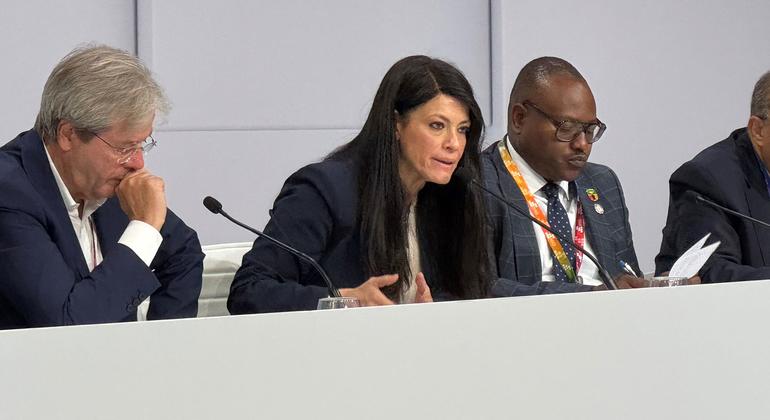
In a significant move to reshape the global financial landscape, a new platform called the Borrowers’ Forum has been launched, offering debt-distressed nations a structured avenue to coordinate their actions and amplify their collective voice.
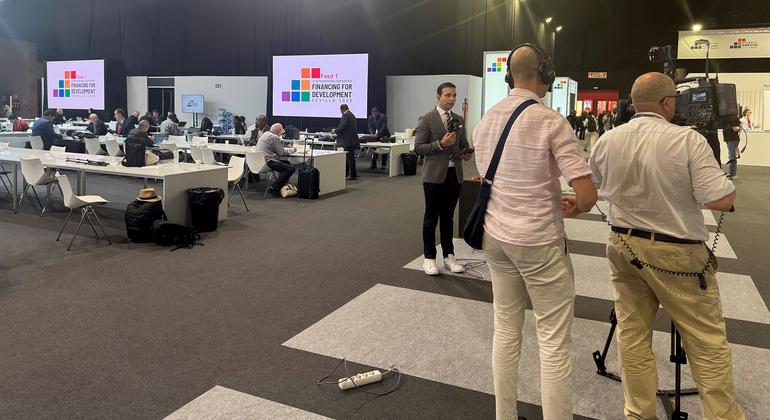
The forum was officially inaugurated on Wednesday during the United Nations’ landmark sustainable development conference in Sevilla, Spain—an event that is already being marked by a push for reforming the current international debt system.
This mechanism arrives at a time when the burden of debt is mounting across much of the developing world. The Borrowers’ Forum is backed by the United Nations and is emerging as a central element of the Sevilla Commitment, the conference’s widely endorsed outcome document.
Rebeca Grynspan, Secretary-General of the UN Conference on Trade and Development (UNCTAD), underlined the significance of the forum by highlighting the imbalance in power dynamics during debt negotiations. She pointed out that debtor countries often engage with creditor groups who are united and well-resourced, leaving them at a disadvantage. “Voice is not just the ability to speak, it’s the power to shape outcomes,” Grynspan emphasized. She added that approximately 3.4 billion people now live in countries that spend more on debt servicing than on vital sectors like health and education.
The Borrowers’ Forum is one of eleven major recommendations by the UN Secretary-General’s Expert Group on Debt. It is designed to foster collaboration among indebted nations, enabling them to share practical experiences and access both technical and legal guidance. Additionally, the platform aims to support responsible lending and borrowing practices while strengthening the collective negotiating leverage of borrower countries. Its creation also responds to long-standing calls from the Global South for more balanced and inclusive decision-making in an international debt system long dominated by the interests of creditors.
The initiative drew praise from finance and foreign ministers from across the Global South, many of whom see the forum as a major step forward in sovereign debt reform efforts. UN Special Envoy on Financing for the 2030 Agenda, Mahmoud Mohieldin, said the forum directly addresses a global system that has historically kept debtor countries isolated. “This is about voice, about fairness, and about preventing the next debt crisis before it begins,” he said.
The broader Compromiso de Sevilla—as the commitment document is known in Spanish—was adopted by consensus at the conference. It contains a series of pledges on improving the sovereign debt system. Among them are calls for better debt transparency, enhanced coordination among creditors, and exploration of a multilateral legal framework to govern debt restructuring. The document also supports borrower-led debt sustainability plans and introduces the concept of suspending debt payments for nations vulnerable to climate change.
Other elements of the commitment include endorsing innovative financial tools such as debt-for-nature and debt-for-climate swaps. However, these are to be implemented with more robust safeguards and clearer metrics to measure their effectiveness.
Despite the optimism surrounding the Borrowers’ Forum, not everyone has welcomed the Sevilla Agreement in its entirety. Civil society organisations have expressed disappointment, criticising the outcome as a missed opportunity for transformative reform. Jason Braganza of the African Forum and Network on Debt and Development voiced his frustration, stating that the document “did not start with much ambition and still managed to be watered down.” He stressed that close to half of African nations are facing a debt crisis, and that resources should be directed towards improving access to healthcare, education, and clean water rather than being funneled to creditors.
Still, Braganza commended the proactive roles played by the African Group and the Alliance of Small Island States in pushing for a UN Framework Convention on sovereign debt. He also welcomed what he described as a modest but meaningful breakthrough—a new intergovernmental process that could eventually lay the groundwork for deeper and more lasting reforms.
What You Should Know
- The Borrowers’ Forum, launched on July 2, 2025, in Sevilla, empowers debt-distressed nations to coordinate and strengthen their voice in global finance.
- Part of the Sevilla Commitment, it supports debt transparency, creditor coordination, and innovative debt relief like climate-vulnerable payment suspensions.
- Civil society groups criticized the outcome as inadequate, with African nations particularly burdened by debt over health and education spending.
- The forum responds to a $921 billion debt service crisis in 2024, with 3.4 billion people in countries prioritizing debt over essential services.
- Global South leaders, including Ethiopia, push for a permanent UN-led debt mechanism to ensure fair and sustainable financial reforms.