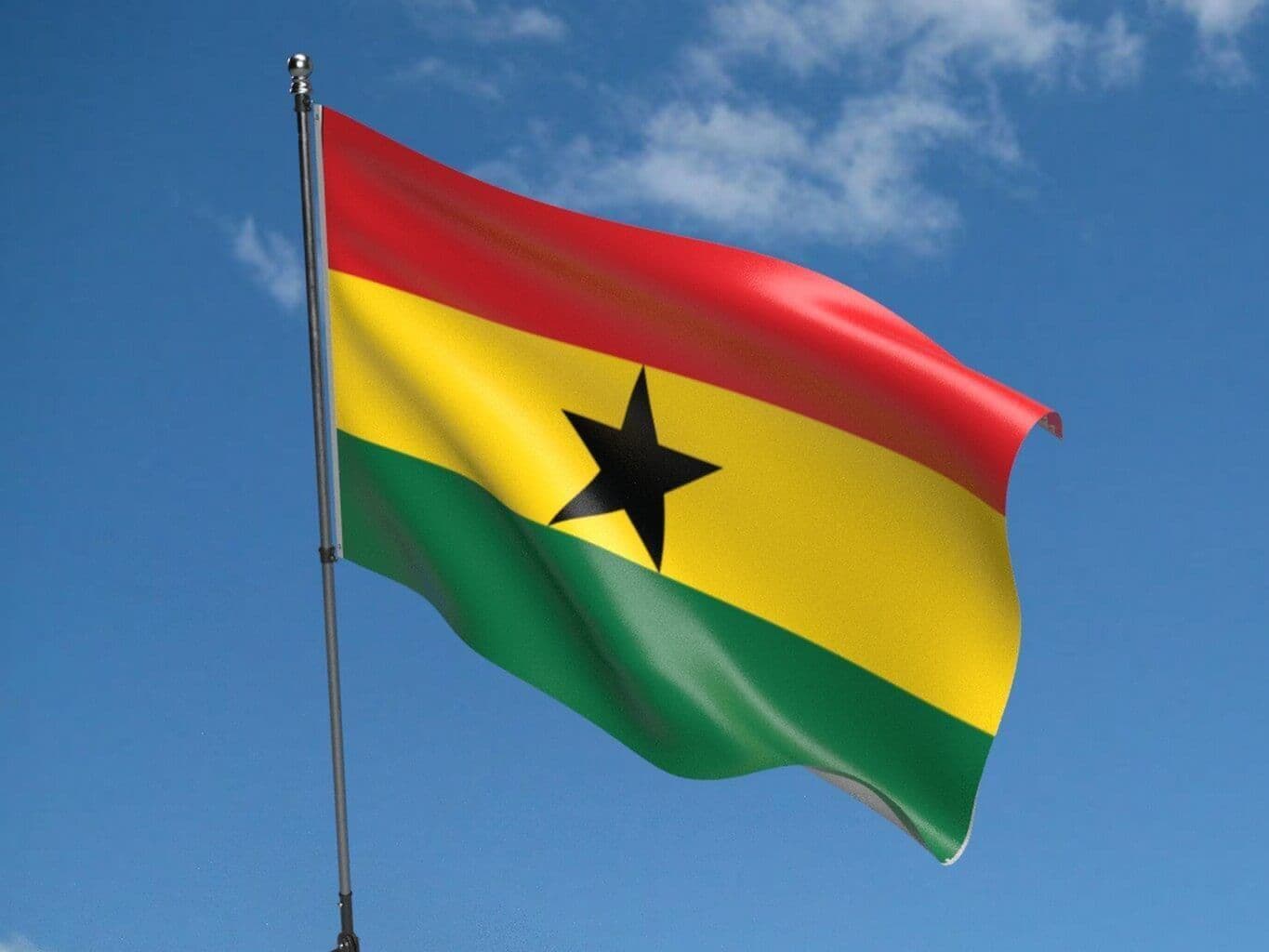
Ghana is preparing to tap domestic capital markets for the first time with a dedicated infrastructure bond, aiming to raise ₵10 billion ($935 million) to finance critical road construction and interchange projects as Africa’s largest gold producer seeks to cement its recovery from a crippling debt crisis.
The landmark sale, set to unfold across two ₵5 billion tranches issued in each half of 2026, marks a significant test of investor confidence in the West African nation’s economic turnaround under President John Mahama. Full details of the offering are expected when authorities publish an issuance calendar later this month, though the Ministry of Finance declined to provide official comment on the plans.
According to sources familiar with the matter who spoke to Bloomberg, the infrastructure projects financed through these bonds are designed to be self-liquidating, with repayments largely backed by revenues from electronic road tolls. This structure is intended to shield Ghana’s fragile debt position from additional strain—a critical consideration for a country still emerging from the shadow of its 2022 sovereign default.
The bond sale forms a cornerstone of Mahama’s ambitious “Big Push” initiative, a $10 billion infrastructure mobilization program that the president has positioned as the engine for Ghana’s economic revival. Finance Minister allocations tell the story of this administration’s priorities: the 2026 budget earmarks ₵30 billion for the Big Push—more than double the ₵13.8 billion allocated the previous year.
Ghana’s move to the domestic bond market comes amid dramatically improved economic fundamentals and a palpable shift in investor sentiment. Yields on the country’s cedi-denominated bonds maturing in 2039 have plummeted more than 10 percentage points over the past twelve months, now hovering around 16%—a striking vote of confidence from investors who had fled following the 2022 default that effectively locked Ghana out of international capital markets.
The numbers underpinning this renewed optimism are remarkable by any measure. Inflation has collapsed to 5.4% as of December—a 23-year low—from nearly 54% in 2023. Meanwhile, the cedi staged one of the world’s most dramatic currency recoveries last year, appreciating 41% against the dollar after years of precipitous decline.
Ghana is also approaching a significant milestone in its rehabilitation, with the country on track to graduate from its $3 billion International Monetary Fund bailout program in May, less than three years after the crisis that necessitated the rescue.
The Fund has responded to Ghana’s infrastructure bond plans with measured support tempered by fiscal prudence warnings. In an emailed statement, an IMF spokesperson welcomed efforts to deepen Ghana’s domestic capital markets while emphasizing the need for careful calibration.
“The IMF welcomes steps to deepen domestic capital markets and is engaging with the government on reopening the local bond market in a prudent, carefully calibrated, and sequenced manner,” the spokesperson said, underscoring the delicate balance Ghana must strike as it returns to borrowing.
The multilateral lender also flagged concerns about potential crowding out of private-sector credit—a common risk when governments compete aggressively for domestic savings. However, the IMF acknowledged the growth potential inherent in well-structured infrastructure financing.
“If well‑designed and directed to high‑return projects, infrastructure bonds can support growth, job creation, and private‑sector activity,” the Fund noted, effectively providing a conditional green light, provided Ghana maintains alignment with its debt-sustainability objectives.
For Mahama’s government, the infrastructure bond represents both an economic imperative and a political statement—a declaration that Ghana has turned the corner from crisis management to growth strategy. Whether domestic investors share that confidence in sufficient numbers will become clear when the first tranche hits the market in the coming months.
WHAT YOU SHOULD KNOW
Ghana is betting big on infrastructure bonds to fund its economic comeback—but the real story is whether a country that defaulted just three years ago can borrow responsibly this time around.
Ghana plans to raise $935 million through toll-backed infrastructure bonds to build roads under President Mahama’s “Big Push” agenda. The strategy hinges on electronic road tolls generating enough revenue to repay investors without adding to the nation’s debt burden—a critical safeguard given the 2022 default that devastated investor confidence.
The economic turnaround is undeniable. Inflation has plummeted from 54% to a 23-year low of 5.4%, the cedi surged 41% against the dollar, and bond yields have dropped over 10 percentage points as investors return. Ghana is set to exit its IMF bailout in May.
But the IMF’s cautious endorsement captures the central tension: infrastructure bonds can drive growth if well-designed, or they can reignite debt problems if revenues disappoint or projects fail to deliver returns.
Ghana’s ability to prove its toll-backed model works will determine whether this becomes a sustainable financing blueprint or another warning about countries borrowing before they’re truly ready.