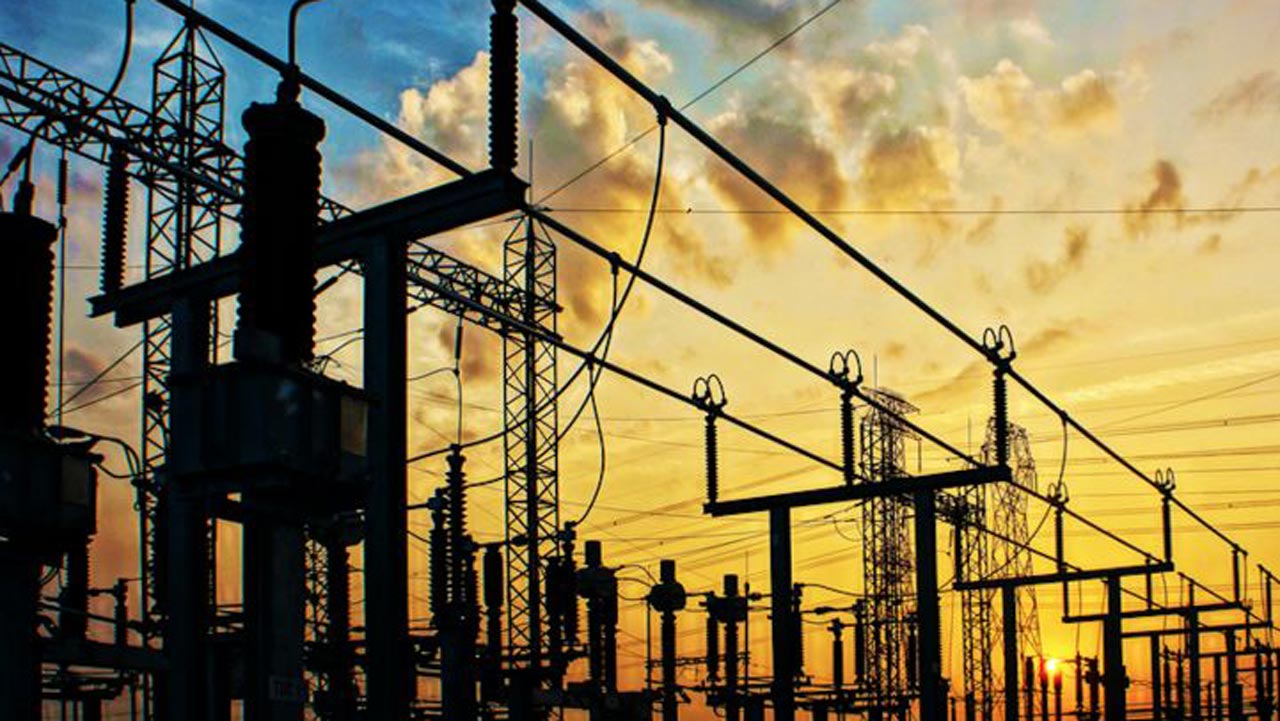
Nigerian electricity generation companies are groaning under the weight of over N6 trillion in unpaid invoices, even as they push back hard against accusations from the Nigeria Labour Congress that they are exploiting consumers.
The Association of Power Generation Companies made this known on Wednesday through its CEO, Joy Ogaji, who fired back at the Nigeria Labour Congress after NLC President Joe Ajaero accused power firms of tariff manipulation, phantom subsidies, and institutional extortion.
Ogaji described labour’s position as a “simplistic and inflammatory narrative” that glosses over the structural rot eating away at Nigeria’s power sector.
The association, which represents over 20 generation companies, noted that GenCos are entitled to roughly 60 percent of electricity market receivables, yet remain the most financially exposed players across the entire value chain—still owed over N6tn by the bulk trader and distribution companies. That debt, the group said, has crippled their ability to procure fuel, maintain equipment, and expand capacity.
Far from shying away from scrutiny, the GenCos threw open their books, stating that their financial records are ready for forensic examination should the NLC or any institution demand it.
They also dismissed suggestions that government financial support for the sector is a politically motivated pre-election arrangement, calling such insinuations “baseless and offensive.”
The association urged labor to channel its energy into constructive engagement rather than rhetoric that risks scaring off investors and deepening the crisis.
Nigeria’s power sector has lurched from one liquidity emergency to another since privatization in 2013, with tariff shortfalls and poor remittances across the chain leaving all players starved of revenue.
Experts warn that without urgent, coordinated intervention, the country’s power supply—already chronically unstable—could deteriorate further, with serious consequences for economic productivity.
WHAT YOU SHOULD KNOW
Nigeria’s power generation companies are owed over N6 trillion in unpaid invoices, a crippling debt that lies at the heart of the country’s chronic electricity crisis. Rather than being the villains labor portrays them as, the GenCos argue they are themselves victims of a broken, illiquid system that has never truly worked since privatization in 2013.
Until this fundamental revenue gap across the electricity value chain is urgently addressed through concrete policy action, Nigerians should expect little improvement in power supply—regardless of who is blamed.