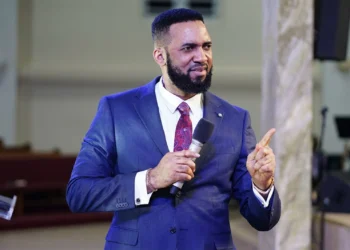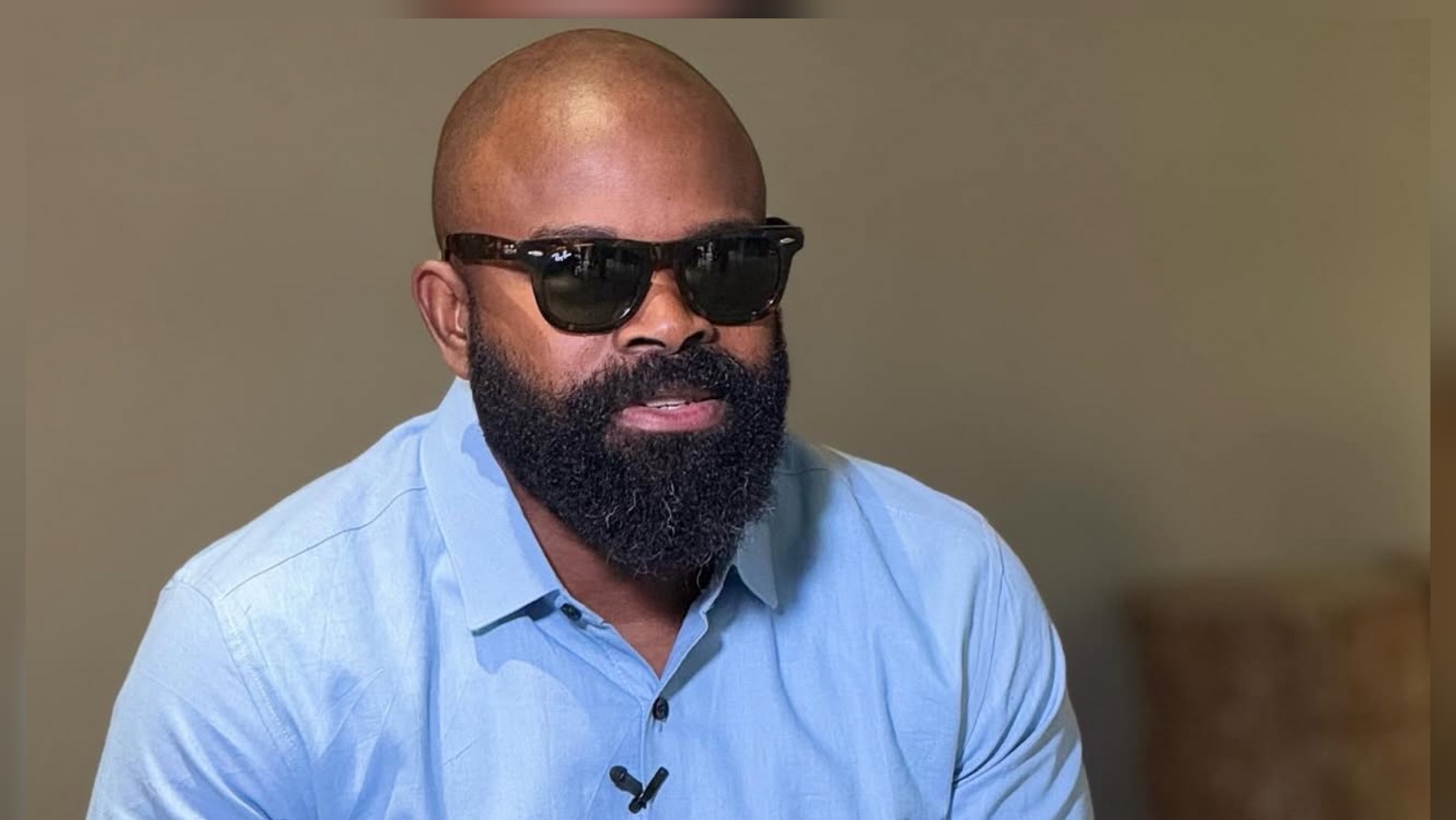
In a refreshingly candid assessment of Nigeria’s film industry, acclaimed Nollywood actor Gabriel Afolayan has issued a clarion call for increased criticism of local productions, arguing that constructive feedback is essential for the industry’s continued evolution and global competitiveness.
Speaking in an exclusive interview with Saturday Beats, the ‘Citation’ star presented a compelling case for why both filmmakers and audiences must engage in honest dialogue about the quality and direction of Nigerian cinema. “Criticism is needed,” Afolayan stated emphatically. “How do we get better if people are not ready to talk about what we are doing? Both the audience and filmmakers have to come together.”
This perspective represents a mature approach to industry development, acknowledging that growth requires honest assessment rather than uncritical praise. Afolayan’s comments come at a time when Nollywood continues to expand its global footprint, with streaming platforms increasingly showcasing Nigerian content to international audiences.
When questioned about Nollywood’s capacity to tackle more ambitious projects, particularly action films, Afolayan expressed unwavering confidence in the industry’s capabilities. “Nollywood is ready for everything,” he declared, suggesting that limitations may be more perceived than real.
The actor’s assessment extends beyond production capabilities to audience sophistication, painting a picture of Nigerian viewers as discerning consumers ready for diverse content. “Trust me, we just need to keep serving,” Afolayan explained. “You don’t know how intelligent people are until you create something that will blow their minds.”
His observations about audience engagement reveal a deep respect for Nigerian film consumers. Afolayan noted the remarkable analytical skills displayed by viewers across various professions: “The taste buds of Nigerians when it comes to different movie genres are very sharp. You see people in the medical field analyzing films as if they were part of the production.”
Perhaps most striking was Afolayan’s philosophical approach to film ownership and success. Challenging traditional notions of creative proprietorship, he suggested that films transcend their creators: “A film doesn’t belong to the filmmaker; they are just instruments the universe uses to put it together.”
This perspective underscores the collaborative nature of cinema and the crucial role of audience reception in determining a film’s ultimate value. “Even after you release a film, you won’t make anything from it until the audience says it is good enough,” he emphasized, highlighting the democratic nature of film success.
Afolayan’s comments arrive at a pivotal moment for Nollywood, as the industry grapples with questions about quality standards, international competitiveness, and artistic ambition. His advocacy for criticism suggests a maturation of the industry’s self-perception, moving beyond defensive postures to embrace feedback as a tool for improvement.
The actor’s confidence in both industry capabilities and audience readiness indicates optimism about Nollywood’s trajectory. His emphasis on serving diverse content to intelligent audiences suggests potential for more experimental and ambitious projects in the coming years.
For industry stakeholders, Afolayan’s message is clear: honest dialogue between creators and consumers, coupled with a willingness to push creative boundaries, represents the path forward for Nigerian cinema’s continued growth on both domestic and international stages.
As Nollywood continues its evolution from quantity-focused production to quality-driven content creation, voices like Afolayan’s provide a valuable perspective on how the industry can maintain its cultural authenticity while achieving global excellence.
WHAT YOU SHOULD KNOW
Nollywood actor Gabriel Afolayan believes constructive criticism is essential for the Nigerian film industry’s growth, arguing that honest feedback from audiences and filmmakers will drive quality improvement.
He expresses confidence that both Nollywood and its sophisticated audiences are ready for more ambitious, diverse content, emphasizing that a film’s success ultimately depends on audience approval rather than creator intentions. His message signals a mature industry ready to embrace accountability and push creative boundaries for continued domestic and international success.