France’s government on Thursday introduced a sweeping energy strategy aimed at reducing reliance on imported fossil fuels and accelerating the expansion of nuclear-powered electricity over the next decade.
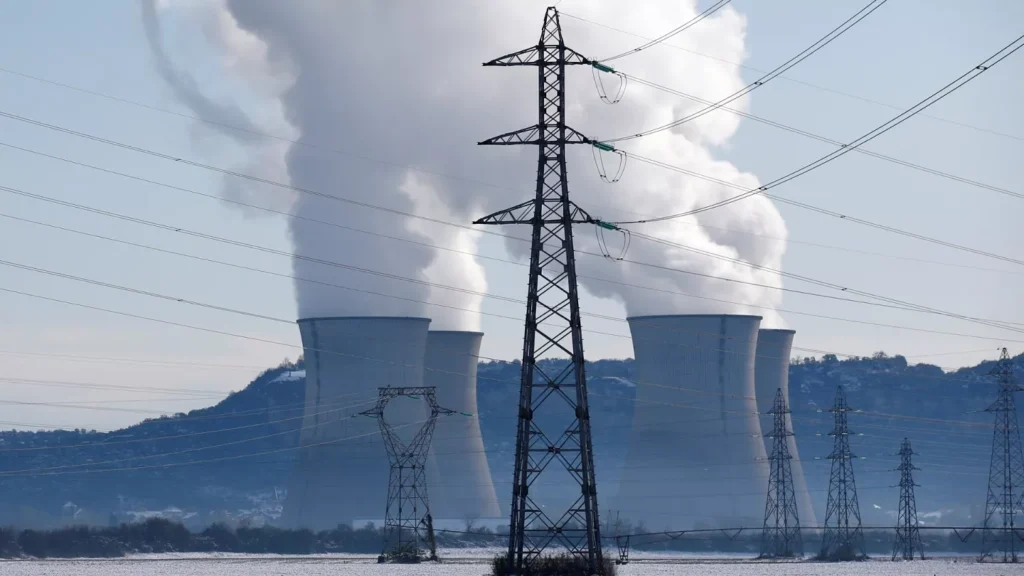
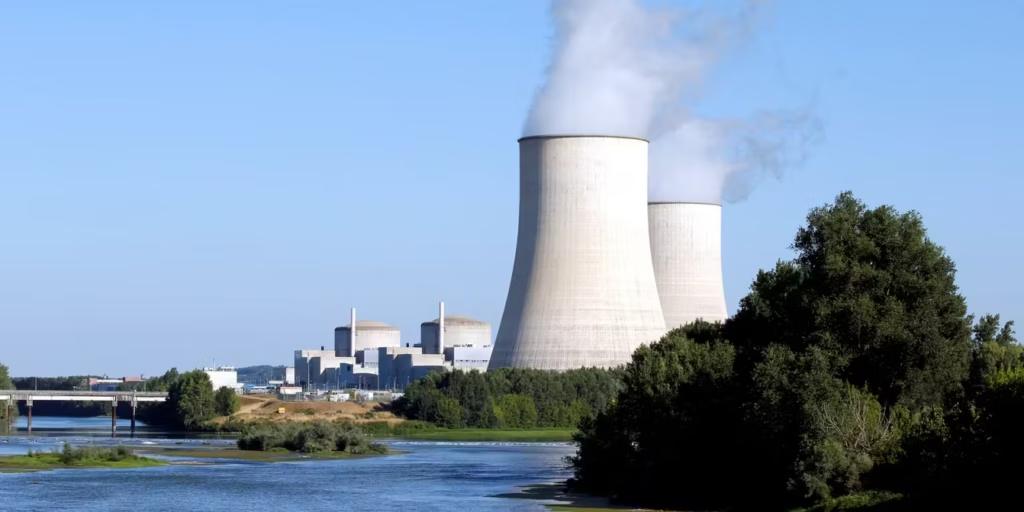
The roadmap, covering the period from 2026 to 2035, outlines a significant increase in output from the country’s existing 57 nuclear reactors and includes plans to construct six additional nuclear power plants. It also proposes expanded investment in offshore wind energy.
However, the strategy signals a reduced emphasis on large-scale solar farms and onshore wind installations.
Shift in Policy Direction
The announcement marks a notable policy shift from the 2019–2024 energy framework, which had included plans to scale back nuclear power generation and shut down several reactors.
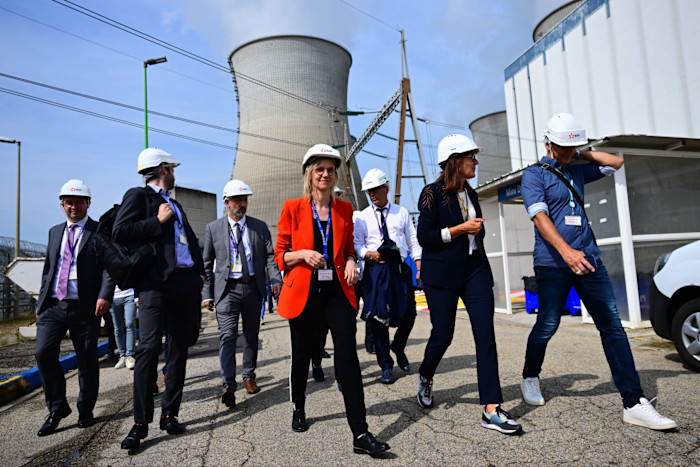
Prime Minister Sébastien Lecornu described the new approach as essential to safeguarding national sovereignty and reducing vulnerability to external energy suppliers.
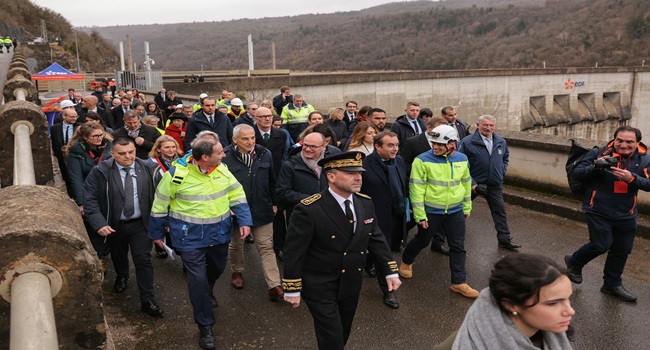
“There is no scenario in which we can be dependent,” he said during a visit to a hydroelectric facility in eastern France.
He warned that failure to accelerate the transition away from fossil fuels would pose serious risks to the country’s economic independence and production capacity.
Reducing Energy Imports
Oil and natural gas currently account for approximately 60 percent of France’s total energy consumption. In 2024 alone, fossil fuel imports cost the country an estimated €64 billion ($75 billion).
Beyond their economic impact, oil and gas consumption contributes to greenhouse gas emissions and deepens France’s energy ties with foreign suppliers, including Russia and the United States.
Under the new plan, the government aims to reduce fossil fuels’ share of total energy consumption to no more than 40 percent by 2030.
Debate Over Nuclear Expansion
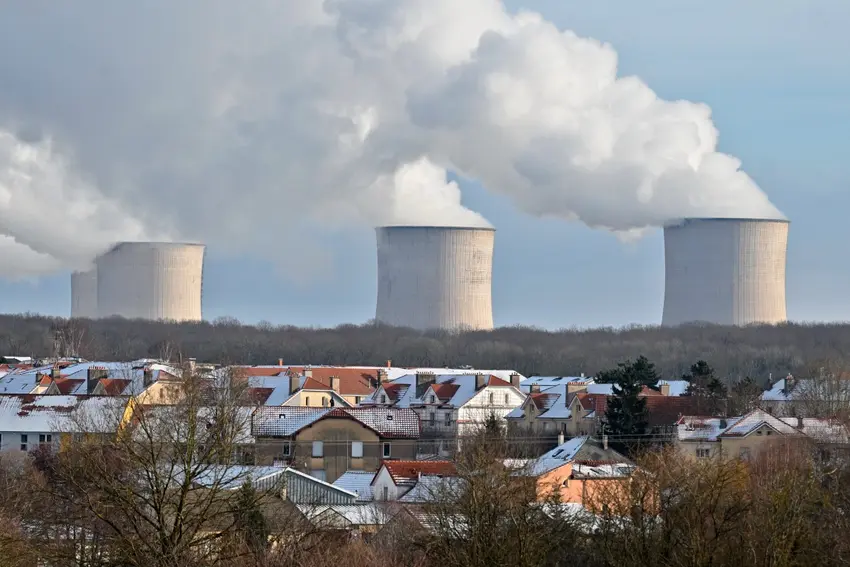
The renewed emphasis on nuclear energy remains contentious. Environmental organisations have raised concerns about reactor safety, long-term waste storage and project costs.
Greenpeace France criticised the 2026–2035 strategy, describing it as “a model of political manipulation and mediocrity.”
The group condemned what it called the government’s “stubborn insistence on believing in the nuclear myth whatever the cost,” arguing that many proposed reactors would not come online for years.
Climate Commitments
The energy plan aligns with France’s broader climate goals. In December, the government released an updated roadmap outlining its pathway to carbon neutrality by 2050.
The revised National Low-Carbon Strategy (SNBC-3) envisions ending oil use between 2040 and 2045, while fossil gas is expected to be phased out completely by mid-century.
The updated strategy was unveiled on the 10th anniversary of the Paris Agreement, the landmark global pact aimed at limiting global warming to well below 2°C, with efforts to restrict it to 1.5°C above pre-industrial levels.
What you should know
France’s new 2026–2035 energy strategy marks a decisive return to nuclear expansion as the backbone of its energy transition.
With fossil fuels still making up 60 percent of national energy consumption, the government is seeking to accelerate electrification and reduce import costs that reached €64 billion in 2024. The plan aims to cut fossil fuel reliance to 40 percent by 2030 while expanding nuclear capacity and offshore wind production.
However, the move has sparked criticism from environmental groups concerned about nuclear safety, waste disposal and long construction timelines.
The strategy is part of France’s broader objective to achieve carbon neutrality by 2050 under its updated National Low-Carbon Strategy, in line with commitments made under the Paris Agreement.